 Oldsmar Siding
 Siding Built for a Golf Course Setting Near Oldsmar
Homes in Tampa Bay Golf and Country Club sit in one of the more exposed residential settings in the greater Tampa Bay area. Wide-open fairways and lakes mean fewer windbreaks between your exterior walls and whatever the Gulf sends inland. That openness is part of what makes these communities attractive to live in — long sightlines, mature landscaping, a resort-style feel — but it also means the siding on these homes takes a more direct hit from wind, sun, and moisture than a similar house tucked into a tightly wooded subdivision a few miles away.
We install siding throughout the Oldsmar area, and golf course communities like this one come up often enough that we've built our process around their specific exposure. This page walks through what that means in practice: what the climate actually does to siding out here, what a correctly installed system looks like, and why we stopped installing anything other than James Hardie fiber cement.
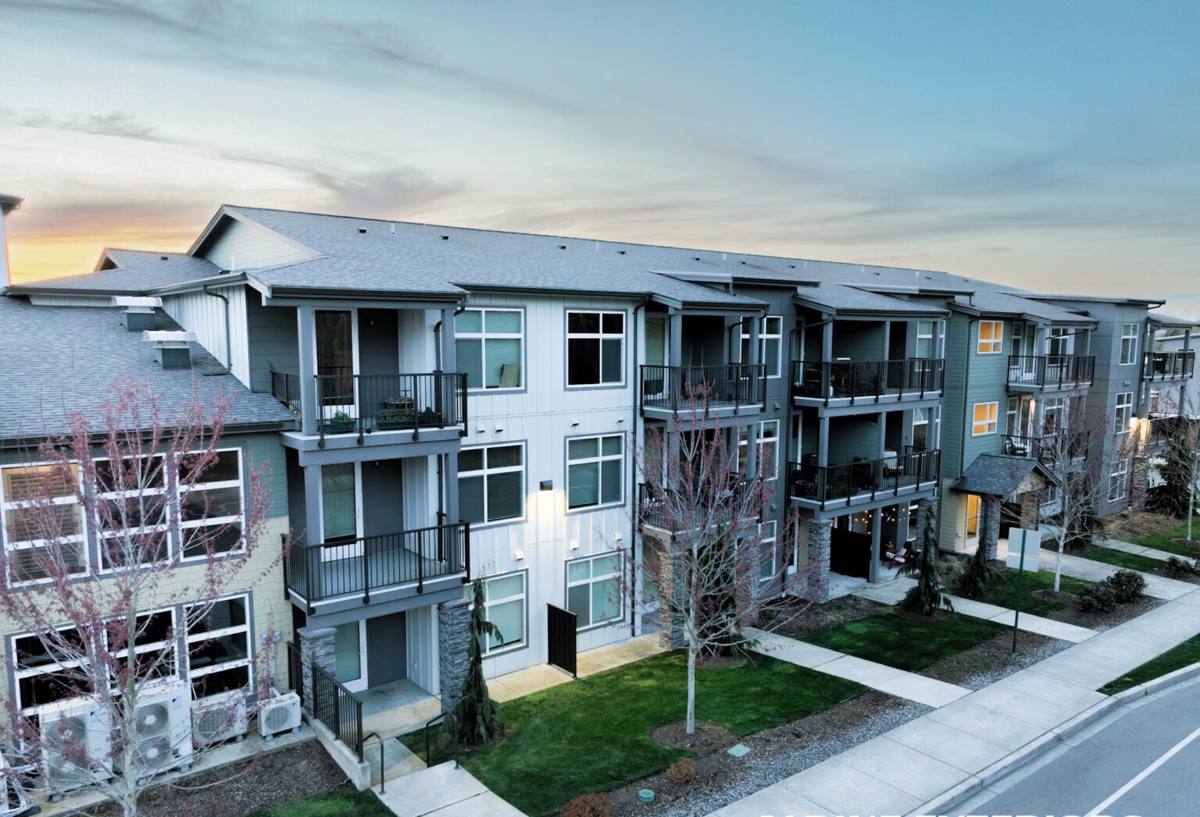
What Open Exposure Does to Siding Over Time
Pinellas County and the surrounding Tampa Bay region deal with a specific combination of stresses, and homes bordering open course frontage or water features get more of each:
- Hurricane-force wind loading. Sustained storm winds test not just the siding material itself but every fastener, seam, and piece of trim. Open lots with less wind-blocking from surrounding structures or dense tree cover see higher effective wind pressure on exterior walls.
- Year-round UV exposure. Florida sun doesn't take an off-season. Southern and western exposures on homes with unobstructed sky views — common near fairways and open water — fade and degrade paint and lesser siding materials faster than shaded elevations.
- Wind-driven rain. Tropical systems and summer storms don't just drop rain straight down; wind pushes it sideways into seams, laps, and penetrations. Any weakness in the water-management details behind the siding shows up here first.
- Salt air. Even set back from the immediate coastline, the greater Tampa Bay area carries salt-laden air that accelerates corrosion on fasteners, flashing, and any metal trim components.
None of these forces are unique to golf course living, but the reduced windbreak and open exposure common in these communities tend to accelerate the timeline. Siding that might hold up acceptably for a decade in a sheltered lot can show stress — cracking, cupping, fastener staining, seam separation — years sooner on an exposed elevation.
Why HOA Aesthetics and Long-Term Performance Have to Work Together
Golf course communities almost always carry HOA architectural standards, and Tampa Bay Golf and Country Club is no exception in spirit if not in every specific rule. Homeowners here are usually balancing two things at once: keeping the exterior looking sharp and consistent with the neighborhood's overall standard, and not wanting to repaint or repair siding every few years. Those goals only line up if the underlying material actually holds its finish and shape under real exposure.
This is where a lot of siding choices quietly fail homeowners. A product might look identical to Hardie on install day, but if it can't hold color, resist moisture intrusion, or stay dimensionally stable through Florida's heat-and-humidity cycles, the visual consistency your HOA cares about starts breaking down within a few seasons — uneven fading, visible seams, soft spots at butt joints. We'd rather have that conversation with a homeowner before installation than after.
What a Correct Installation Actually Involves
Regardless of which siding product goes up, the installation details determine whether it performs for 10 years or 30. On an exposed lot, these details matter more, not less:
- Weather-resistive barrier installed correctly — lapped and sealed so wind-driven rain can't work its way behind the cladding.
- Proper flashing at every penetration — windows, doors, hose bibs, light fixtures, any point where water wants to find a way in.
- Correct fastener type, spacing, and depth — under-driven or over-driven fasteners are one of the most common causes of premature siding failure, and it's an installer error, not a product defect.
- Manufacturer-specified clearances — gaps at grade, roofline, and adjoining surfaces so the siding isn't sitting in standing water or trapped moisture.
- Caulking and sealant only where the manufacturer calls for it — over-caulking traps moisture just as badly as under-caulking lets it in.
A crew that's worked exposed sites around Oldsmar knows which of these details actually matter for your specific elevation and which are boilerplate. That judgment only comes from doing this work repeatedly in this exact climate.
Why We Install Only James Hardie Fiber Cement
We made a standing decision to install James Hardie fiber cement siding exclusively, and we don't install vinyl, LP SmartSide, Cemplank, Allura, primed spruce, or cedar. That's not a marketing position — it's a professional judgment based on how these products actually perform under the conditions described above.
Vinyl is affordable and easy to install, but it softens and can warp under sustained high heat and direct sun exposure, and it has real limits in high-wind ratings compared to fiber cement. Engineered wood products like LP SmartSide perform reasonably in drier climates but are more sensitive to sustained moisture exposure than fiber cement, which matters in a region with Florida's humidity and rain patterns. Primed wood and cedar require the most ongoing maintenance of any option — repainting, sealing, and monitoring for rot — which is a hard sell on a home with open, sun-baked exposure. Other fiber cement brands like Cemplank and Allura are legitimate products, but we've standardized on Hardie specifically for its ColorPlus factory-baked finish, its HZ5 product engineering for hot, humid, high-wind climates, and its transferable warranty structure.
Hardie's HZ System, Built for This Exact Climate
James Hardie engineers its siding regionally under its HZ system, and Florida falls into the HZ5 zone — the specification built for hot, humid conditions with higher moisture and pest exposure. That's a meaningful distinction from siding engineered for a one-size-fits-all national market. Combined with the ColorPlus finish (a factory-applied, baked-on finish that resists fading and chipping far better than field-applied paint), it's a system built to hold its look and integrity through exactly the conditions Tampa Bay Golf and Country Club sees every year.
Comparing Siding Options for an Open, Exposed Lot
| Material | Wind & Storm Resistance | Moisture Behavior | UV/Fade Resistance | Typical Maintenance |
|---|---|---|---|---|
| James Hardie fiber cement (HZ5) | Strong; engineered for high-wind zones | Non-combustible, dimensionally stable, resists moisture-driven warping | ColorPlus factory finish resists fading | Low — periodic washing, no repainting for years |
| Vinyl | Moderate; can deform or blow off in high wind | Doesn't rot, but can trap moisture behind panels if installed poorly | Can fade and become brittle under sustained sun | Low, but limited repair options once faded/damaged |
| LP SmartSide (engineered wood) | Moderate to good when installed to spec | More sensitive to sustained moisture than fiber cement | Requires field-applied finish upkeep | Moderate — finish and seam monitoring |
| Cedar / primed wood | Moderate; dependent on maintenance condition | Prone to rot and moisture damage without diligent upkeep | Needs regular repainting/staining | High — most maintenance-intensive option |
Our Process for Tampa Bay Golf and Country Club Homes
- On-site assessment. We walk the exterior, note exposure per elevation (which sides face open fairway or water, prevailing wind direction), and check current siding and sheathing condition.
- Scope and product selection. We walk through Hardie's plank, panel, and trim options and colors, matched to your home's style and any HOA guidelines you need to meet.
- Tear-off and substrate check. Old siding comes off and we inspect sheathing for hidden moisture damage before anything new goes up — this step gets skipped by rushed crews and it's where problems get buried instead of fixed.
- Weather barrier and flashing installation. Every penetration and transition gets flashed and sealed to manufacturer spec before siding goes on.
- Hardie installation to manufacturer fastening and clearance specs. This is where installer discipline either pays off for 20+ years or creates callbacks in year three.
- Final walk-through. We review the finished job with you against the agreed scope before calling it complete.
What to Ask Any Siding Contractor Before You Hire
- Are you licensed and insured to work in Pinellas County, and can you provide proof?
- Who is actually on the crew — subcontracted labor or your own installers?
- What's your fastening and flashing spec, and does it match the manufacturer's published installation guide?
- What does the warranty cover — material only, or labor too — and who backs it if something goes wrong?
- Have you worked on homes with similar open exposure, and can you speak to what that exposure changes about the install?
Cost Factors on an Exposed Golf Course Lot
| Factor | Why It Affects Cost |
|---|---|
| Tear-off and disposal of existing siding | Volume and material type of the old siding affects labor and disposal fees |
| Sheathing repair or replacement | Hidden moisture damage found during tear-off adds material and labor |
| Home size and elevation complexity | More corners, gables, and trim details increase labor time |
| Siding profile and color selection | Premium ColorPlus colors and specialty profiles vary in material cost |
| Flashing and trim detail work | Proper water management at penetrations takes more time than a rushed install |
We give every homeowner a specific, itemized number after seeing the actual house — broad national averages don't account for your home's condition, size, or exposure, and we'd rather quote accurately than guess low and surprise you later.
Why Local, Experienced Crews Matter Here
Siding installation is detail work, and the details that matter shift with the site. A crew that mostly works sheltered inland lots may not instinctively over-engineer flashing and fastening the way an exposed, open-lot home in a golf course community actually needs. Working regularly around Oldsmar and the surrounding Tampa Bay area means we've seen firsthand how exposure, wind direction, and sun angle play out differently from one neighborhood to the next — and we adjust the install accordingly rather than treating every job identically.
If your siding is showing fade, cracking, seam separation, or you're planning ahead of a full exterior refresh, we're happy to take a look and give you a straightforward, no-pressure estimate on James Hardie siding built for your home's actual exposure. Use the form below to get started.