 Oldsmar Siding
 Building New in Tampa Bay Golf and Country Club? Get the Windows Right the First Time
New construction is the one point in a home's life where windows can be installed exactly to spec, with no old framing to fight, no existing trim to match, and no rush to close up a hole before rain moves in. For homes going up in and around Tampa Bay Golf and Country Club, that window of opportunity matters more than most buyers realize. Pinellas County's building code, wind-load requirements, and inspection process are unforgiving of shortcuts, and a window package chosen or installed wrong at the framing stage is far more expensive to fix later than it would have been to do correctly up front.
We install new-construction windows for builders and homeowners working in this part of Oldsmar, and we treat every opening the same way: as a long-term barrier against wind, water, and sun, not just a piece of glass that fills a hole in the wall.
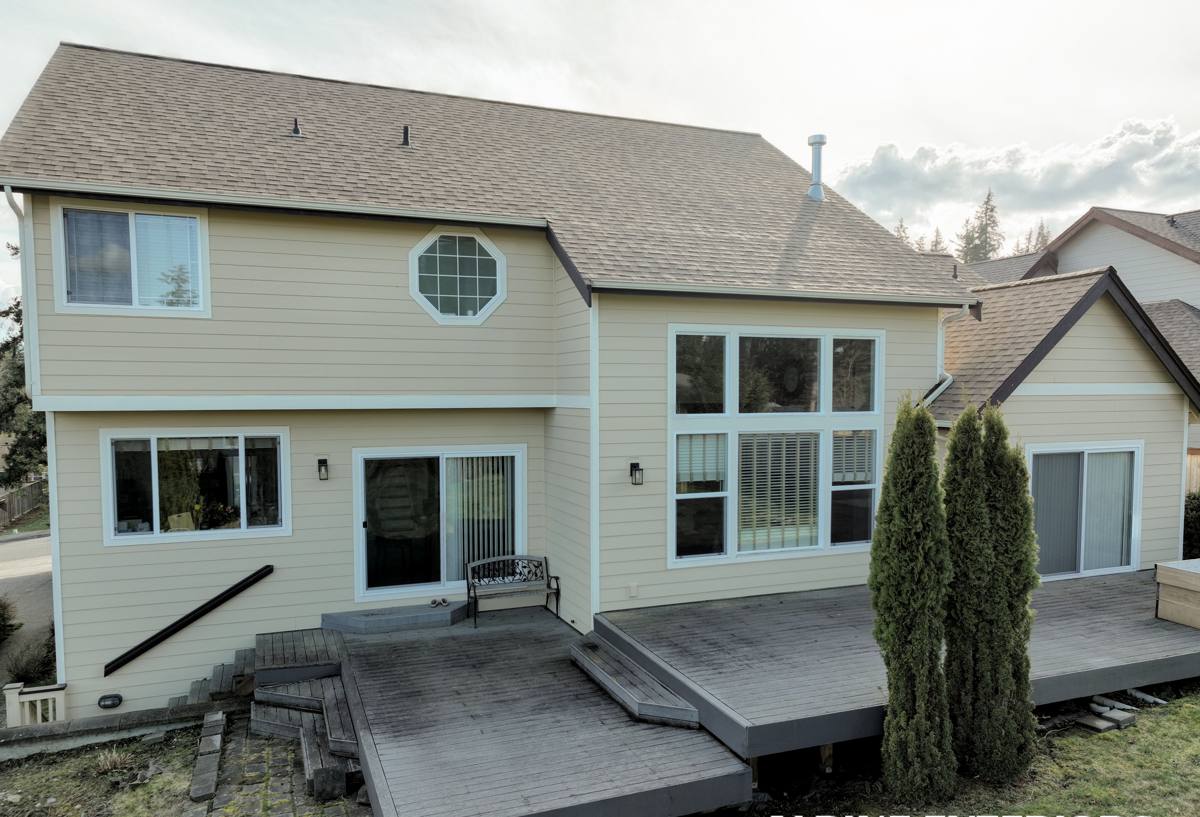
Why New Construction Is Different From a Retrofit
A retrofit window has to work around whatever is already there — old framing, existing stucco or siding, a wall that's been through years of settling. New construction windows go in before any of that exists, which means the entire opening can be built to the window rather than the other way around. That's an advantage, but only if it's used correctly.
What "doing it right" actually means here
- Rough openings framed to the exact dimensions the window manufacturer specifies, not "close enough"
- Flashing installed in the correct sequence — sill pan first, then side flashing, then head flashing, shingle-lapped so water always sheds outward and downward
- A continuous drainage plane tied into the home's weather-resistive barrier before stucco, siding, or brick goes on
- Fasteners and anchoring that match the window's design pressure rating, not generic screws driven wherever they fit
- Sealant and backer rod used correctly at the exterior — sealed to shed water, not just caulked shut
Skip any one of these steps and the window itself can be top quality and still fail — water intrusion problems are almost always an installation issue, not a product defect.
What This Climate Demands From a New Window Install
Oldsmar sits in Pinellas County, on the Tampa Bay side of the peninsula, which means every new home here is built to withstand conditions that don't exist in most of the country. New-construction windows have to handle all of the following, often in the same week:
- Hurricane-force wind loads — the window assembly and its anchoring have to meet Florida Building Code wind-borne debris and pressure requirements for this zone, not a generic national standard
- Wind-driven rain — storms here don't just drop rain straight down, they push it sideways and upward under eaves and around trim, so flashing and drainage details have to account for water moving in directions a fair-weather install never has to consider
- Intense, near-constant UV exposure — frame materials, glazing coatings, and exterior sealants all degrade faster under Florida sun than they do up north, so material choice matters as much as installation quality
- Salt air — even a few miles inland from the bay, airborne salt accelerates corrosion on hardware, fasteners, and lesser metal components over time
A window package designed for a mild climate and installed by a crew used to easier conditions will often pass inspection and still underperform within a few years. The goal on a new build here isn't just to pass the wind-load calculation on paper — it's to install so the window actually performs that way for the next twenty-plus years.
Impact-Rated vs. Non-Impact: The New-Construction Decision
One of the first decisions on any new build in this area is whether to go with impact-rated windows or non-impact windows paired with separate shutter protection. Both are legal paths to code compliance in most cases; they come with real tradeoffs worth understanding before the walls close in around the choice.
| Factor | Impact-Rated Windows | Non-Impact + Shutters |
|---|---|---|
| Upfront cost | Higher window cost | Lower window cost, added shutter cost |
| Storm prep effort | None — always protected | Shutters must be deployed before each storm |
| Daily appearance | Clean, unobstructed year-round | Shutter hardware visible on exterior |
| Insurance impact | Often qualifies for wind-mitigation credits | Credits possible but may be lower |
| Noise/UV control | Better standard due to laminated glass | Depends on base window spec |
Neither option is wrong — it comes down to budget, how the homeowner wants the exterior to look day-to-day, and how much they want to think about storm prep every hurricane season. We'll walk through both honestly rather than pushing whichever is easier for us to install.
Frame Materials Worth Understanding
Vinyl, aluminum, and fiberglass frames each behave differently under sustained Florida UV and salt exposure. Vinyl is common and cost-effective but can expand and contract more than other materials across our temperature swings; aluminum is strong and holds tight tolerances for large openings but conducts heat and needs a thermal break to perform well; fiberglass tends to hold its shape and color longest under UV but comes at a higher price point. We'll talk through which fits the specific design pressures and budget for the build rather than defaulting to one material for every job.
Our New-Construction Installation Process
- Plan review — we look at the window schedule, egress requirements, and wind-load calculations before a single opening is framed, so nothing has to be corrected after the fact
- Rough opening verification — framers' openings are checked against manufacturer specs for square, level, and correct dimension before windows arrive on site
- Flashing and drainage plane installation — sill pans, side and head flashing, and integration with the weather-resistive barrier, done in the correct shingle-lap sequence
- Window set and anchoring — units are set plumb and square, anchored per the manufacturer's tested and approved fastening schedule for this wind zone
- Exterior sealing — sealant applied to shed water outward, with backer rod used where gaps require it rather than overfilling with caulk
- Interior finish coordination — openings are left ready for trim, drywall return, or interior sill work without rework
- Final inspection walkthrough — every opening checked for operation, seal, and code compliance before we consider the job done
Coordinating With Builders and Trades
New-construction window work rarely happens in isolation — it has to line up with the framing crew, the stucco or siding crew, and often the general contractor's inspection schedule. Showing up on the wrong day, or installing before the weather barrier is ready, creates delays that ripple through the whole build. We work directly with builders and GCs active in and around Oldsmar to slot window installation into the schedule at the right moment, and we show up prepared to do our part without holding up the trades on either side of us.
Why Local Experience in This Community Matters
A crew that already works homes in Tampa Bay Golf and Country Club and the surrounding Oldsmar area knows the practical realities that don't show up in a spec sheet: which HOA architectural guidelines tend to come up, how the local building department typically wants flashing details documented, and what wind exposure category actually applies to lots in this part of the county versus a more sheltered or more exposed site nearby. That familiarity shortens the back-and-forth on permitting and inspections and reduces the chance of a surprise mid-build.
It also means we're not learning the area's code quirks and inspector expectations on the homeowner's dime — we've already been through that process on other builds nearby.
What to Check Before Windows Are Signed Off
- Every window opens, closes, and locks smoothly with no binding
- Weep holes are clear and functioning so water can drain out
- Exterior sealant lines are clean, continuous, and free of gaps
- NOA (Notice of Acceptance) or Florida Product Approval labels match what was specified for this wind zone
- No visible gaps between frame and rough opening on the interior side
- Screens (if included) are properly seated and undamaged
A short walkthrough against this list before final sign-off catches most issues while they're still easy and inexpensive to correct.
Get an Estimate for Your Build
If you're building in Tampa Bay Golf and Country Club or elsewhere in Oldsmar and want a straight answer on window options, wind-load requirements, or scheduling around your framing timeline, we're happy to walk through it. Reach out for a free, no-pressure estimate using the form below.