 Oldsmar Siding
 Building a Deck That Can Handle Oldsmar's Weather
Homes in Tampa Bay Golf and Country Club are built for outdoor living — open lots, water and fairway views, and the kind of Florida evenings that make a deck one of the most-used spaces in the house. But a deck built to look good on installation day and a deck built to still be solid in eight years are two different projects. In this part of Oldsmar, the difference usually comes down to what's underneath the boards, not what's on top of them.
Pinellas County sits on a peninsula, which means every deck here deals with the same combination of stresses: intense UV exposure nearly year-round, wind-driven rain that gets pushed sideways into structures, salt-laden air moving in off the Gulf and Tampa Bay, and the real possibility of hurricane-force wind loads during storm season. None of that is unique to golf course communities specifically, but homes with more exposed, open-air outdoor living space — which is common on these lots — tend to feel the effects sooner if the deck wasn't built with that exposure in mind.
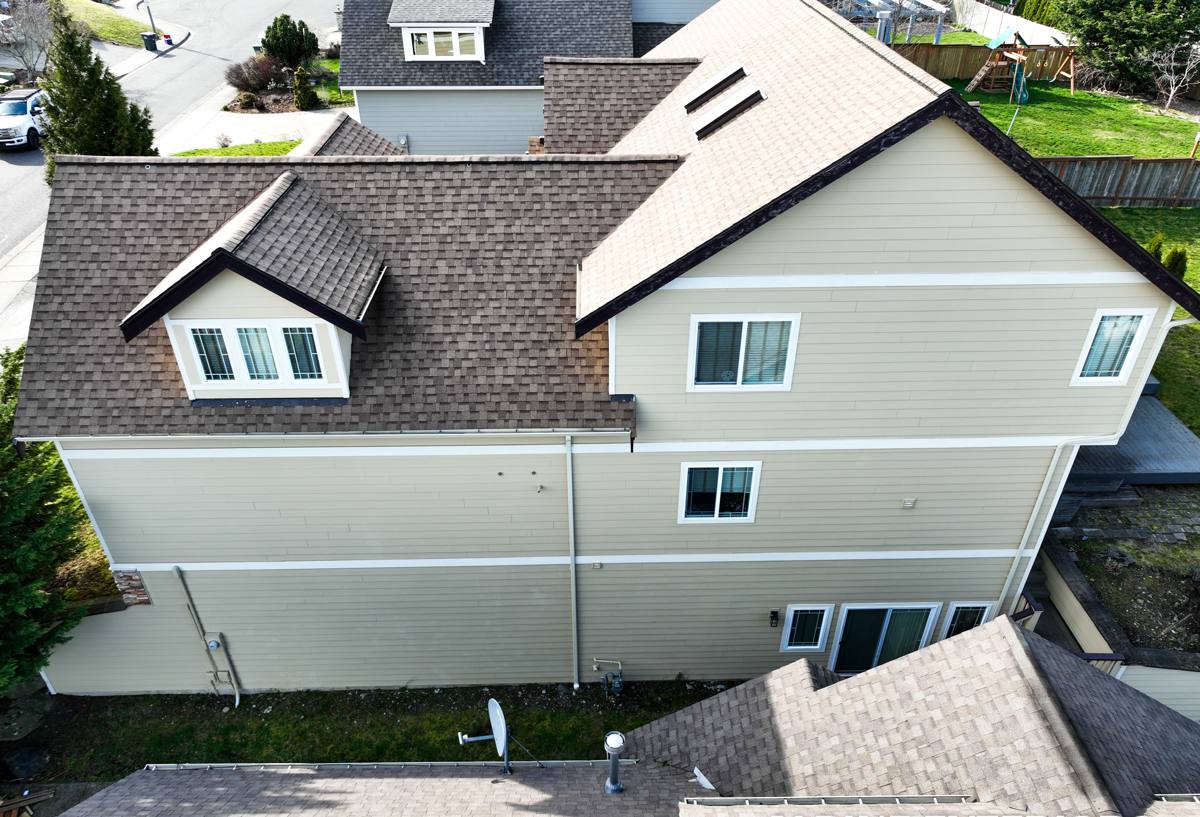
What Pinellas County's Climate Does to an Outdoor Deck
Year-Round UV Exposure
Florida's sun angle and number of sun-hours per year are hard on any exterior material, but decking takes it worse than siding because it's horizontal — it collects heat and UV all day instead of shedding it. Untreated or poorly sealed wood grays and checks (surface cracking) within a couple of years. Lower-grade composite boards can fade unevenly, especially where furniture or planters create shade patterns.
Wind-Driven Rain and Humidity
Afternoon storms here don't just fall straight down — wind pushes rain at an angle, which means water gets driven into board gaps, fastener holes, and the ledger connection where the deck meets the house. Combined with Tampa Bay's humidity, any wood that stays damp between rain events is at risk for rot, and any hardware that isn't properly rated will start corroding faster than it would in a drier climate.
Salt Air and Corrosion
Oldsmar isn't oceanfront, but it's close enough to the Bay that salt-laden air is a real factor, especially on elevated decks with more direct air exposure. Standard hardware-store fasteners and connectors will corrode faster here than the packaging suggests. This is one of the most common reasons we get called to look at a deck that's only a few years old — the boards look fine, but the hidden hardware holding it together doesn't.
Hurricane-Force Wind Loads
Decks attached to the house have to resist uplift and lateral load during named storms, not just support foot traffic. That means the ledger attachment, post connections, and railing system all need to be engineered for wind, not just built to "feel sturdy." This is a code requirement in Pinellas County, and it's also just good practice if you want the structure to still be there after the next storm season.
Choosing the Right Decking Material for This Kind of Lot
There's no single "best" decking material — there's a best material for your budget, your maintenance tolerance, and how the deck will actually be used. Here's how the common options compare for a Gulf Coast climate like Oldsmar's:
| Material | Moisture & Rot Resistance | Maintenance | Heat Underfoot | Typical Lifespan |
|---|---|---|---|---|
| Pressure-treated wood | Good if sealed regularly | Annual sealing/staining | Moderate | 10-15 years with upkeep |
| Composite decking | Very good | Occasional washing, no sealing | Can run hot in direct sun | 20-30 years |
| PVC/cellular decking | Excellent | Lowest maintenance | Varies by color/brand | 25-30+ years |
| Tropical hardwood (ipe, etc.) | Excellent naturally | Periodic oiling for color retention | Moderate | 25+ years |
Composite and PVC decking have become the default choice for most of our coastal Florida customers, mainly because they don't require the annual sealing that wood does in this humidity — a task that's easy to skip a year and then hard to catch up on once the board surface has already weathered. Wood still has a place, especially for owners who want a specific look and are committed to the maintenance schedule, but we're honest with customers up front about what that commitment actually looks like here versus in a drier climate.
Structural Framing and Fasteners: Where Most Deck Problems Start
Ledger Board Attachment
The ledger — the board that bolts the deck to the house framing — is the single most important connection on an attached deck and one of the most common places for water intrusion if it's not flashed correctly. Proper flashing keeps wind-driven rain from working its way behind the ledger and into the house framing, which is a slow, hidden problem until it isn't.
Fastener and Hardware Corrosion
Given the salt air and humidity, we build with corrosion-resistant, coastal-rated fasteners and structural connectors rather than standard galvanized hardware. It costs more up front and makes zero visual difference on installation day, which is exactly why it's an easy thing for a lower-bid contractor to skip.
Footings and Post Bases
Post bases that hold posts up off the concrete, rather than embedding wood directly into it, keep moisture from wicking into the post end grain — a small detail that adds years to a structure's life. Footing depth and sizing need to match the soil conditions and the loads the deck is engineered for, not just a generic minimum.
Design Considerations for Homes in Tampa Bay Golf and Country Club
Lots in golf course communities tend to prioritize open views and usable outdoor space, and that shapes some practical decisions:
- Full sun exposure on open, course-facing lots often means shade structures, pergolas, or covered sections are worth planning for at the design stage rather than adding later.
- HOA design guidelines in golf course communities commonly address visible materials, railing style, and color — it's worth confirming any community-specific requirements before finalizing material choices.
- Drainage needs to be planned so runoff from the deck doesn't pool against the house foundation or create standing water near the yard's low points, which is a common issue on flatter Florida lots.
- Railing and baluster spacing should account for both code requirements and unobstructed sightlines if the view is a big part of why the deck is being built in the first place.
None of these are complicated fixes, but they're the kind of thing that's much cheaper to plan for during design than to retrofit after the deck is built.
Permitting and Code Requirements in Oldsmar
Deck construction in Oldsmar falls under Pinellas County and City of Oldsmar building code, which means a permit and inspection are required for most attached decks — this isn't optional paperwork, it's what confirms the structure meets Florida's wind load requirements. An unpermitted deck can also create real problems later: at resale, with insurance claims after storm damage, or with an HOA that requires proof of permitted work. Part of what we handle in our process is pulling the correct permits and scheduling inspections, so the finished deck is documented as code-compliant, not just built to look right.
Our Custom Deck Process
We keep the process straightforward and in the customer's control at every step:
- On-site consultation: we walk the lot, talk through how the space will actually be used, and note sun exposure, drainage, and any HOA considerations.
- Design and material selection: we lay out layout, decking material, and railing options with honest pros and cons for each, based on your maintenance preference and budget.
- Engineering and permitting: we handle the structural details and pull permits through Oldsmar/Pinellas County before any construction starts.
- Construction: framing first, with corrosion-resistant fasteners and proper ledger flashing, then decking, railing, and finish work.
- Final walkthrough: we go over the finished deck together and cover basic maintenance for the material you chose.
Keeping Your Deck in Good Shape in a Coastal Climate
Whatever material you choose, a little seasonal attention goes a long way in this climate:
- Rinse off salt residue and pollen buildup every few weeks, more often if the deck is exposed to open air off the water.
- Check railing posts and stair connections for looseness once or twice a year — hardware works itself loose faster with Florida's heat cycling.
- For wood decks, plan on resealing or staining annually; skipping a year is the most common reason wood decks age poorly here.
- Keep gutters and downspouts near the deck clear so runoff isn't draining directly onto or under the structure.
- After any major storm, do a quick visual check of the ledger connection and post bases before resuming normal use.
If you're planning a custom deck for your home in Tampa Bay Golf and Country Club, we're happy to walk the property and give you a straightforward, no-pressure estimate — just fill out the form below and we'll get in touch.