 Oldsmar Siding
 Roofing in the Tampa Area Is Its Own Challenge
Homes on this side of the bay don't age the way roofs do further inland. Between hurricane-season wind loads, near-constant UV exposure, wind-driven rain that finds every gap in a poorly sealed roof, and the slow corrosion that salt-laden air causes on fasteners and flashing, an asphalt shingle roof here is under more stress in five years than a roof in a milder climate sees in fifteen. That doesn't mean asphalt shingles are the wrong choice for a Tampa-area home — they're still one of the most practical, cost-effective roofing systems available when they're installed correctly for this climate. It means the details of the installation matter more here than almost anywhere else in the country.
We work on homes throughout the greater Tampa Bay area, and the roofs we get called out to repair almost always fail in the same predictable places: nail patterns that were never upgraded for wind zone requirements, underlayment that wasn't rated for wind-driven rain, and ventilation that was an afterthought. A roof built to spec for this region should not have those problems.
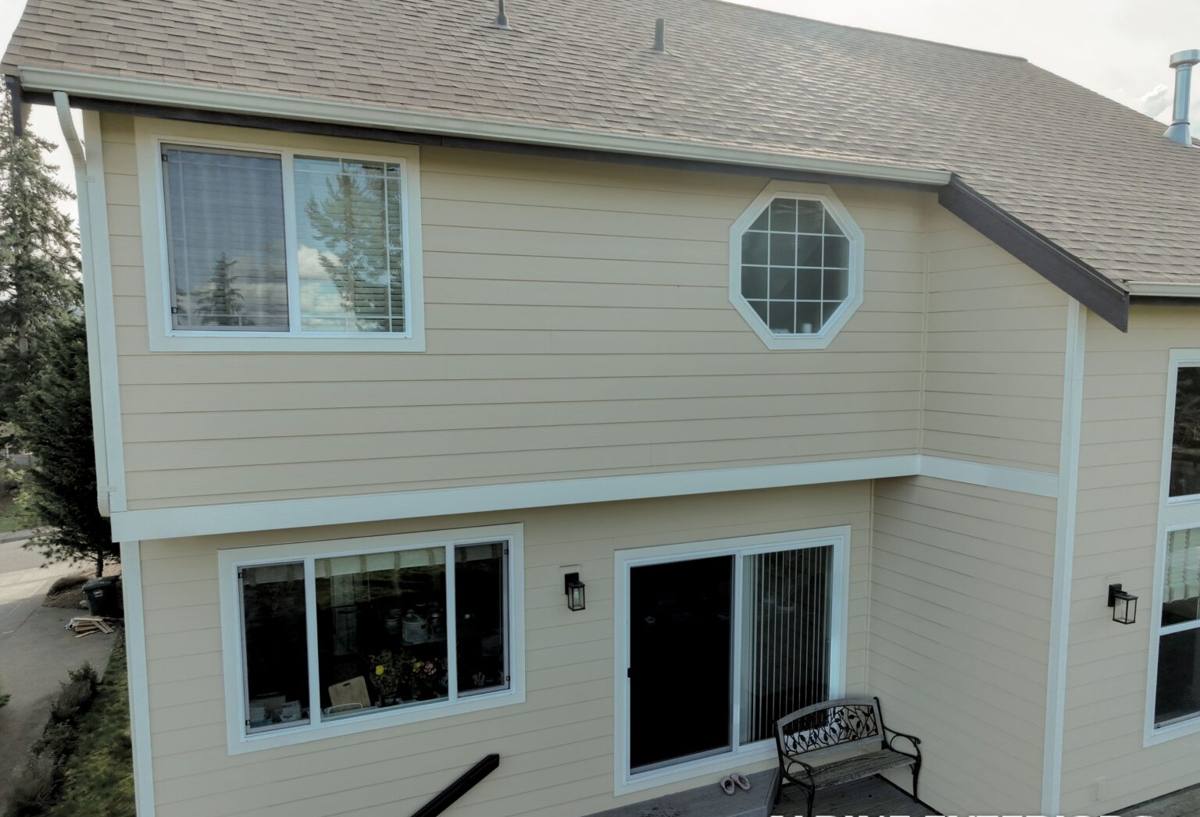
What Local Homes Actually Need From a Shingle Roof
Wind Performance, Not Just Wind Rating
Every shingle sold today lists a wind rating on the package, but that number only means something if the roof is installed to match it. Florida Building Code requires specific nailing patterns, fastener counts, and starter strip details based on the wind zone a home sits in. Tampa-area homes are close enough to the coast that the margin for error is small — a roof that's "close enough" on nailing will hold up fine in a normal thunderstorm and then lose shingles in the first real tropical system that rolls through.
Underlayment That Handles Wind-Driven Rain
Standard felt underlayment is a moisture barrier for normal rainfall. It is not designed for rain that's being pushed sideways and upward under shingle tabs during a tropical storm or hurricane, which is exactly the condition Tampa Bay roofs face every storm season. A synthetic underlayment with a real water-resistance rating, plus self-adhering membrane at eaves, valleys, and penetrations, is what actually keeps water out when wind direction stops mattering.
Attic Ventilation for Year-Round Heat and UV
Intense, near-constant sun isn't just hard on the shingle surface — it heats the attic space underneath, and a poorly ventilated attic bakes shingles from below at the same time UV is degrading them from above. That combination shortens shingle life faster than either factor on its own. Balanced intake and exhaust ventilation is a functional requirement here, not an upgrade.
Corrosion-Resistant Metal at Every Detail
Salt air moving in off the bay accelerates corrosion on any exposed metal — flashing, drip edge, nail heads, vent boots. Standard galvanized components that would last decades in a drier inland climate can start showing rust streaks and pinhole leaks in a fraction of that time this close to the water. We spec corrosion-resistant metal and fasteners as standard, not as an option.
Signs a Tampa-Area Roof Needs a Closer Look
- Granules collecting in gutters or at downspout discharge points
- Shingle tabs that look curled, cupped, or lifted at the edges
- Dark streaking or algae staining across the roof plane
- Soft spots or sagging when walked, especially near valleys
- Visible daylight or water stains in the attic after a storm
- Missing or displaced shingles after any wind event, even a minor one
- Rust stains bleeding from nail heads or metal flashing
- Higher-than-usual cooling bills, which can point to failing attic ventilation
Any one of these on its own isn't necessarily an emergency, but a roof showing two or three at once is telling you it's past due for a real inspection rather than another patch repair.
How We Handle an Asphalt Shingle Roofing Project
The process is the same whether we're doing a targeted repair or a full replacement — we just stop at different points depending on scope.
- On-site inspection. We get on the roof, not just in the attic, and document the actual condition: decking, flashing, ventilation, and the shingles themselves.
- Honest scope decision. We tell you plainly whether the roof needs a repair, a partial re-roof, or a full replacement — and why.
- Tear-off and decking check. On a full replacement, old material comes off down to the deck so we can find and fix any soft or water-damaged sheathing before it's covered up again.
- Underlayment and flashing. Storm-rated synthetic underlayment goes down first, with self-adhering membrane at vulnerable points and new corrosion-resistant flashing at every wall, valley, and penetration.
- Shingle installation to wind-zone specification. Nailing pattern and fastener count follow code for this area, not a generic minimum.
- Ventilation check and correction. Intake and exhaust are balanced to match the attic space, not just left as-is from the old roof.
- Final walkthrough. We go over the finished roof with you before we consider the job done.
Shingle Options and How They Compare
Asphalt shingles aren't a single product — the tier you choose affects wind performance, appearance, and how long you can reasonably expect the roof to perform in this climate.
| Shingle Type | Typical Wind Rating | Best For |
|---|---|---|
| 3-Tab Shingles | Lower end of code minimums | Budget-focused projects, secondary structures |
| Architectural (Laminate) Shingles | Higher wind ratings, better tab adhesion | Most primary homes in coastal wind zones |
| Impact-Rated Architectural Shingles | Highest available, plus impact resistance | Homes prioritizing storm resilience and potential insurance credits |
For most homes in this area, we steer people toward architectural shingles at minimum, simply because the extra durability pays for itself over the life of the roof when you factor in what this climate does to a lower-tier product.
What Drives the Cost of a Shingle Roof Here
| Factor | Why It Matters Locally |
|---|---|
| Roof size and pitch | More surface area and steeper pitches mean more material and labor time |
| Number of layers to remove | Tear-off of existing layers adds disposal and labor cost |
| Decking condition | Water-damaged sheathing found during tear-off requires replacement before shingles go on |
| Shingle tier selected | Architectural and impact-rated products cost more up front but hold up longer against wind and UV |
| Ventilation and flashing upgrades | Correcting undersized ventilation or outdated flashing adds cost but prevents recurring problems |
| Roof complexity | Valleys, dormers, and multiple penetrations add labor and detail work |
We won't quote a price without seeing the roof — anyone who does is guessing. But those are the real variables that move the number, and we'll walk through each one with you during the estimate.
Repair, Partial Re-Roof, or Full Replacement?
Not every roof needs to come off. If the underlying decking, flashing, and majority of the shingle field are sound, a targeted repair or partial section replacement can be the right call. Full replacement makes sense when a roof is approaching the end of its expected service life, has widespread granule loss, or has damage spread across multiple sections rather than one isolated area. We'll tell you honestly which category your roof falls into — recommending a full re-roof on a roof that only needs a repair doesn't help you, and it doesn't help us build the kind of reputation that keeps us busy in this area long-term.
Why It Matters That We Already Work in This Area
A crew that installs roofs across a range of climates has to relearn the local requirements every time they take on a job in a new region. A crew that works the Tampa Bay area every week already knows the wind zone requirements, already specs materials that hold up against salt air, and already builds ventilation to handle the heat load this area sees year-round. That familiarity shows up in fewer callbacks and fewer surprises — not because the work is more complicated, but because it's routine for us instead of a one-off adjustment.
After Installation: Keeping a Shingle Roof Performing
A correctly installed shingle roof still benefits from basic upkeep in this climate. Keep gutters clear so water doesn't back up under the shingle edge, trim back tree limbs that drop debris or scrape the surface in wind, and have the roof looked at after any significant storm rather than waiting for a leak to show up inside the house. Small issues caught early — a lifted tab, a cracked pipe boot — are inexpensive fixes. The same issues left through another storm season usually aren't.
If you're weighing a repair or a full shingle roof replacement, we're happy to take a look and give you a straight answer — no pressure, no upsell, just what the roof actually needs. Fill out the form below to schedule a free estimate.