 Oldsmar Siding
 Why Palm Harbor Roofs Take a Different Kind of Beating
Palm Harbor sits close enough to the Gulf that its roofs deal with a specific combination of stress: salt-laden air that speeds up corrosion on fasteners and flashing, intense year-round UV that bakes shingle oils out faster than in most parts of the country, and the real possibility of hurricane-force wind gusts during the season. Add in the sudden, heavy thunderstorms that roll through Pinellas County almost every summer afternoon, and you get roofs that fail in fairly predictable patterns — not from one catastrophic event, but from repeated smaller hits that eventually find a weak point.
A crew that works Oldsmar and the surrounding Palm Harbor area regularly sees this pattern up close: a roof that looked fine after a storm develops a slow leak weeks later because wind lifted a shingle tab just enough to break its seal, or because wind-driven rain found its way under a ridge cap that had already loosened from UV exposure. Storm damage repair done right accounts for that combination of causes, not just the most obvious one.
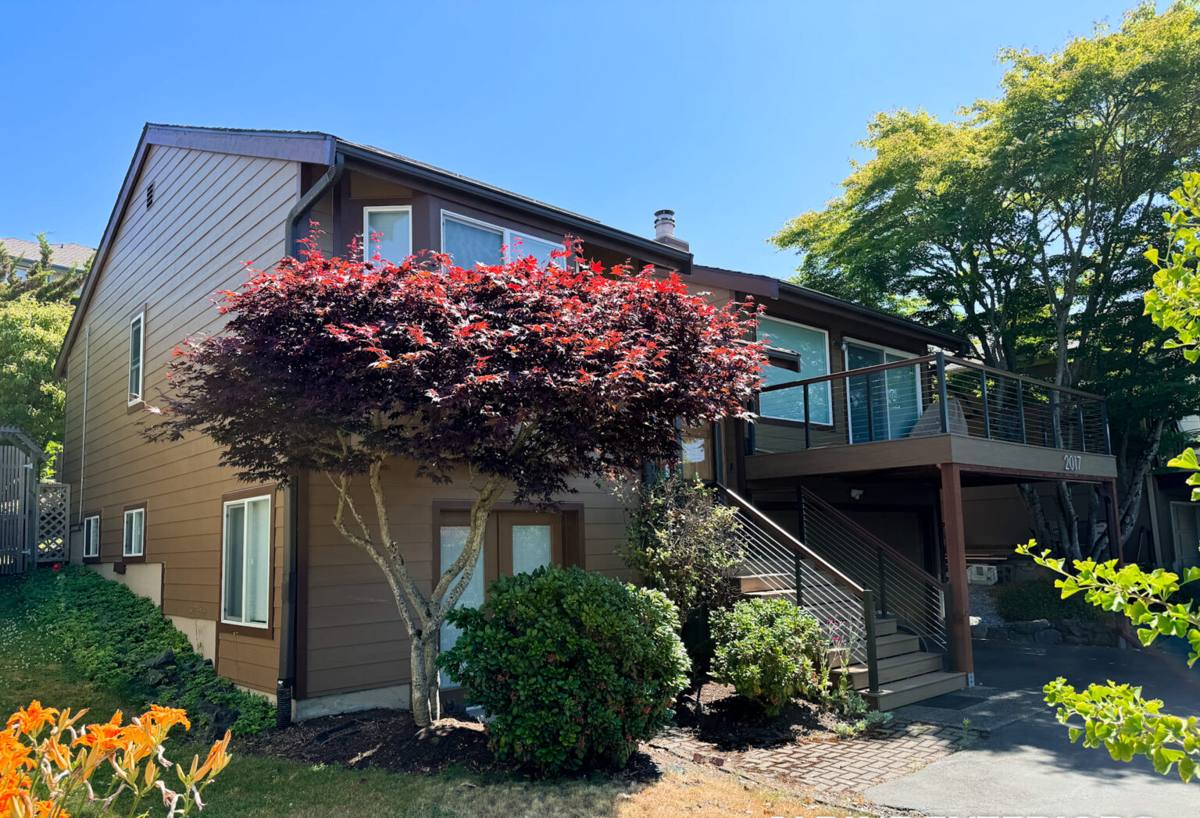
What Actually Counts as Storm Damage
Not every roof problem after a storm is "storm damage," and it's worth understanding the difference before you call anyone out — including us. Storm damage is damage directly caused by a specific weather event: wind uplift that tears or creases shingles, impact damage from falling branches or wind-borne debris, or water intrusion that starts because wind physically displaced roofing material. Ordinary wear — shingles that are simply old, granule loss from years of sun exposure, or flashing that has slowly corroded — is a separate issue, even if a storm is what finally made it obvious.
This distinction matters for two reasons. First, it affects whether a homeowner's insurance is likely to cover the repair. Second, and more importantly, it affects what the right fix actually is. Patching over storm damage without addressing the underlying wear that let the storm cause damage in the first place just means the next storm does it again.
Signs Worth a Closer Look After a Storm
Most storm damage isn't dramatic. It shows up as small, easy-to-miss signs that get worse if they sit through a few more rain events. After any significant wind or rain event, it's worth checking for:
- Shingles that are lifted, curled at the edges, creased, or missing entirely
- Noticeable granule buildup in gutters or at the base of downspouts
- Exposed or backed-out nail heads along shingle courses
- Soft or spongy spots when walking the roof, which usually mean the decking underneath has taken on water
- Fresh water stains or discoloration on ceilings or in the attic, especially near chimneys, vents, or skylights
- Ridge caps that look shifted, cracked, or loose along the roof's peak
- Bent, lifted, or separated flashing around chimneys, wall intersections, or roof penetrations
Any one of these on its own might be minor. Several together, or any sign of active water intrusion, means it's time for an actual inspection rather than a wait-and-see approach.
What a Correct Storm Damage Repair Actually Involves
A storm damage repair that's done properly is more than swapping out the shingles that are visibly torn or missing. It involves understanding why the damage happened and making sure the repair doesn't just cover the same weak point back up.
Decking Comes Before Shingles
If wind or water has gotten past the shingle layer, the plywood or OSB decking underneath is the first thing that needs to be checked — not assumed fine. Soft, delaminated, or water-stained decking has to be replaced before any new shingle goes down. Nailing a new shingle over compromised decking looks fine for a season and then fails again, usually somewhere new.
Underlayment and Flashing Are Where Wind-Driven Rain Gets In
In this part of Florida, most leaks after a storm trace back to wind-driven rain, not water simply running off a roof. That means valleys, eaves, and roof penetrations need proper self-adhering underlayment and correctly lapped, sealed flashing — not just a bead of caulk over the gap. Flashing around chimneys, skylights, and wall-to-roof transitions is one of the most common places we find corroded or improperly reinstalled material after a storm repair done elsewhere.
Matching Material and Fastening to Code
Repairs should use shingles that match the existing roof as closely as possible in both color and profile, and they should be fastened using the nailing pattern required for the local wind zone — not a generic pattern from a different climate. A repair that isn't fastened to the wind-zone standard is a repair that's likely to fail in the next event, even if it looks correct on the day it's finished.
Repair or Replace? How We Make That Call
Not every storm-damaged roof needs to come off. But not every roof should be patched, either. The decision usually comes down to a few honest factors rather than a sales pitch either direction.
| Factor | Leans Toward Repair | Leans Toward Replacement |
|---|---|---|
| Roof age | Under roughly 10-12 years, still within useful life | Near or past the shingle's rated lifespan |
| Extent of damage | Isolated to one slope or section | Spread across multiple slopes or the whole roof |
| Decking condition | Solid, no widespread soft spots | Multiple areas of rot or water damage found |
| Shingle availability | Close color/profile match is available | Discontinued or badly mismatched product |
| Cost comparison | Repair cost is a small fraction of replacement | Repair cost starts approaching replacement cost |
Repair costs for a localized storm repair can run anywhere from a few hundred dollars for a small section to several thousand for extensive decking and flashing work — the range depends entirely on how much of the roof structure was actually affected, which is why an honest inspection has to come before any number gets discussed.
Our Process, From Inspection to Finished Repair
We keep the process straightforward because homeowners dealing with storm damage usually already have enough going on.
- Inspection and documentation. We get on the roof, check the decking and attic where accessible, and document what we find with photos — useful whether or not an insurance claim is involved.
- Temporary protection if needed. If there's active leaking or exposed decking, we get it weatherproofed first so it's not taking on more water while repairs are scheduled.
- Clear scope and explanation. We walk through what's actually damaged, what caused it, and what the repair involves — in plain language, not a vague line item.
- The repair itself. Decking replaced where needed, proper underlayment and flashing installed, matching shingles fastened to the correct wind-zone pattern.
- Final walkthrough and cleanup. We check the finished work with you and make sure the site is cleared of debris and old material.
Insurance Claims: What We Do and Don't Do
When storm damage is significant enough to involve a homeowner's insurance claim, our role is to document the roof's condition accurately and provide an honest repair scope — not to inflate damage or tell an adjuster what to conclude. We'll point out what we find, explain which parts are storm-related and which are pre-existing wear, and give you a straightforward repair estimate you can use in the claims process. The relationship with the insurance carrier and adjuster is between you and them; we just make sure the roof side of that conversation is accurate.
Why a Crew That Already Works Palm Harbor Matters
Storm repair isn't just a roofing skill — it's a local logistics problem. A crew that already works in and around Oldsmar and Palm Harbor knows the permitting process with the local building department, understands the wind mitigation and code requirements that apply in this part of Pinellas County, and isn't learning the area's common failure points for the first time on your roof. That familiarity shows up in smaller ways too: knowing which shingle lines are actually stocked locally for a fast, close color match, and being able to get back out to a property quickly when a storm has caused damage to several homes in the same area at once, rather than being weeks out because the crew is based somewhere else entirely.
It also matters after the repair is done. A local crew has a reputation in the area to stand behind, and is available to come back and look at something if a question comes up down the road — not just a name from an out-of-town storm-chasing outfit that was in the neighborhood for a week after a hurricane and then gone.
Keeping a Repaired Roof Ahead of the Next Storm
A good storm repair should hold up, but a little routine attention keeps it — and the rest of the roof — in better shape long term. Homeowners in Palm Harbor generally get the most out of their roof by:
- Having gutters cleared regularly so wind-driven rain has somewhere to go instead of backing up under shingles
- Trimming back tree limbs that could become wind-borne debris in the next storm
- Scheduling a quick visual check after any named storm, even if nothing looks obviously wrong
- Addressing small issues — a lifted shingle tab, a cracked ridge cap — before they turn into a decking problem
If your roof took a hit in a recent storm, or you're just not sure whether what you're seeing is worth a closer look, we're happy to come out, get on the roof, and give you a straight answer along with a free, no-pressure estimate. There's no obligation — just an honest read on where things stand.