 Oldsmar Siding
 New Roof Installation Built for Tampa's Climate
A roof over a Tampa home does more work than a roof almost anywhere else in the country. It spends most of the year under intense, nearly direct sun. It gets tested by wind-driven rain during ordinary summer thunderstorms and by hurricane-force gusts during the storms that matter most. And with Tampa Bay close by, the air itself carries enough salt to work on exposed metal every single day, storm or no storm. New roof installation here isn't a bigger version of the same job done in a milder climate — it's a different job, with different materials, different fastening requirements, and different details that separate a roof that holds up from one that doesn't.
This page is about that one job — putting a new roof on a Tampa-area home — done the way this climate actually requires. It covers what local homes need from a roof, what correct installation looks like from the deck up, how our process works, and why a crew that already works this side of the bay brings something a crew from out of the area doesn't.
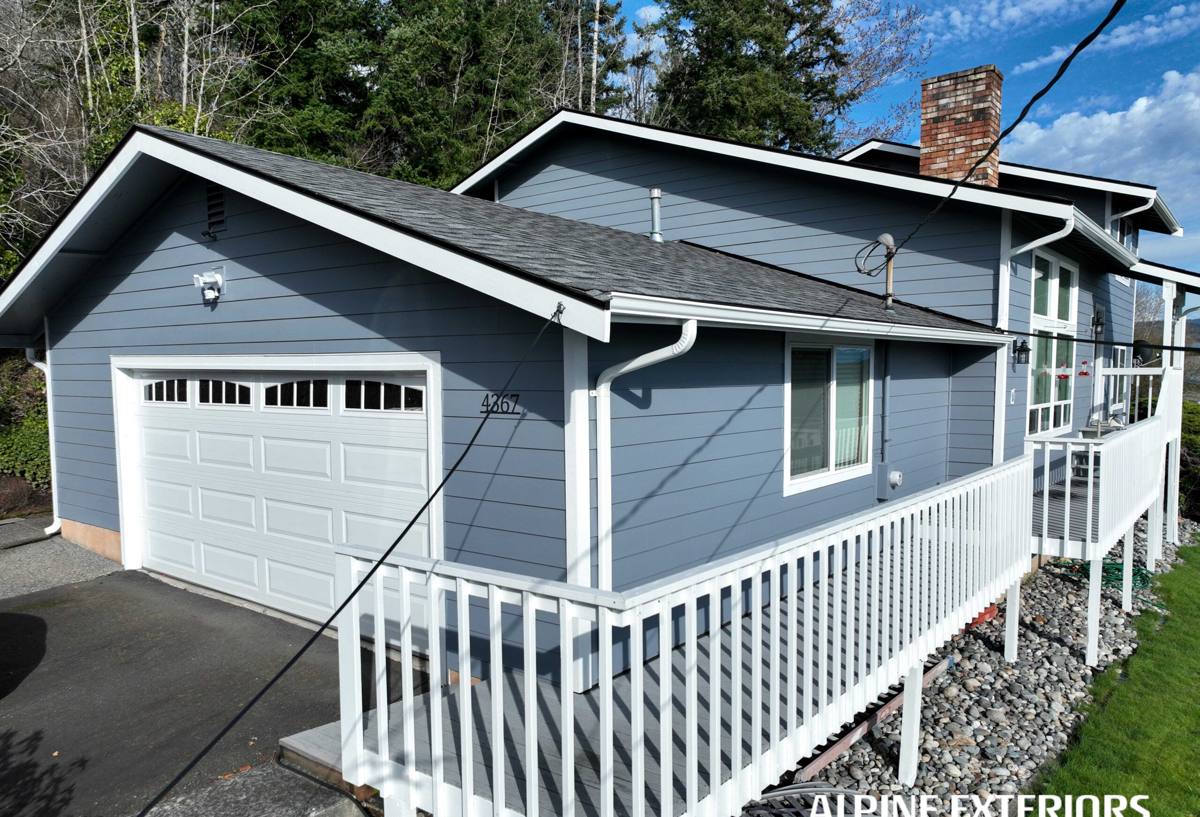
What Tampa's Climate Actually Demands From a Roof
Four things drive most of the roofing problems we see in this part of the Tampa Bay area, and a roof installed without accounting for all four is a roof with a shorter useful life than it should have.
Hurricane-Force Wind
Every roof in this region has to be built to handle sustained high wind, not just the occasional gust. That means wind-rated shingles or panels, a fastening pattern that follows manufacturer and code specification exactly rather than a shortcut, and roofing materials carrying Florida product approval for the wind exposure this area sees. Wind is also where a marginal installation shows itself first — a roof that looks fine in calm weather can lose shingles or panels in the first real wind event if the fastening or edge detail wasn't done right.
Intense, Near Year-Round UV
Florida gets some of the most intense sun exposure in the continental United States, and it doesn't let up for much of the year the way it would farther north. UV breaks down asphalt shingle granules, dries out and cracks sealants, and fades or chalks unstabilized finishes faster than the same materials would age in a cooler climate. A roofing product rated for a mild climate simply doesn't hold its color, flexibility, or granule adhesion as long here.
Wind-Driven Rain
Rain in this area doesn't reliably fall straight down. Afternoon thunderstorms and, more seriously, tropical systems push rain sideways into roof edges, valleys, and penetrations that a straight-down rain event would never reach. That's why underlayment grade and flashing detail matter as much here as the shingle or panel itself — a lot of roof leaks in this region start at a lapped seam or flashing point that was never designed to handle water moving at an angle.
Salt Air
Oldsmar sits right on Old Tampa Bay, and salt-laden air off the water travels well beyond the immediate waterfront. It accelerates corrosion in exposed fasteners, flashing, vent stacks, and any other metal component on a roof. A fastener that would last decades in a dry inland climate can start losing holding strength years early here if it wasn't specified for coastal exposure — and a corroding fastener is one of the more common, least visible ways a roof starts to fail.
Signs a Tampa-Area Home Needs a New Roof
Not every roof problem calls for full replacement, but these are the signs that usually mean it's time to have the roof seriously evaluated rather than patched again:
- Shingles that are curling, cupping, or missing granules across large sections rather than one isolated spot
- Granules building up in gutters in amounts beyond normal light shedding
- Rust staining at fasteners, flashing, or metal vent stacks
- Soft or spongy spots underfoot, or visible sagging along the roofline
- Daylight visible through the roof deck from inside the attic
- Leaks appearing in more than one spot during a heavy, wind-driven rain event
- Multiple recent repairs in different areas of the same roof
- A roof approaching or past its material's rated service life for this climate
Choosing a Roofing System for This Climate
Material choice matters more here than in a milder, drier region. This is a general comparison — actual performance depends on installation quality as much as the product itself.
| Material | Wind & Rain Performance | Salt-Air Durability | Typical Service Life Here |
|---|---|---|---|
| Architectural asphalt shingle | Good with a wind-rated product and correct fastening pattern | Fine with corrosion-resistant fasteners; standard hardware corrodes faster near the bay | 20-25 years in this climate |
| Standing seam metal | Excellent; strong wind uplift resistance and sheds wind-driven rain well | Very good in a coastal-rated finish; poor if an unrated finish is used near the water | 40-50+ years |
| Concrete or clay tile | Very good wind resistance when properly fastened; heavy, which matters for structure | Excellent; tile itself doesn't corrode, though underlayment and flashing still need attention | 40-50+ years for the tile itself |
| 3-tab asphalt shingle | Lower wind rating than architectural shingles; a tougher match for this exposure | Same fastener concerns as architectural shingles | 15-18 years in this climate |
For most Tampa-area homes, architectural shingles with a wind rating suited to this exposure strike the right balance of upfront cost and durability. Whether metal or tile makes more sense depends on the home's structure, budget, and how long you plan to stay in it — we'll walk through the honest trade-offs for a specific roof during the estimate rather than push one product on every home.
What a Correct New Roof Installation Involves
The material on top is the smallest part of what determines whether a new roof performs in this climate. Most leaks and premature failures trace back to what's underneath or around it.
Full Tear-Off and Deck Inspection
A full tear-off to bare decking is the only way to find hidden moisture damage, soft spots, or rot that's been developing under the old roofing, often invisible from inside the attic until it's advanced. Any damaged sheathing gets identified and replaced before anything new goes down. Installing new roofing over a compromised deck just shortens the life of the new material.
Secondary Water Barrier and Underlayment
Given how often wind pushes rain sideways here, underlayment isn't treated as a minimum-code afterthought. A synthetic underlayment with strong water resistance, plus self-adhered membrane at eaves, valleys, and other vulnerable points, gives the roof a real second line of defense if wind-driven rain gets past the primary roofing surface. This detail is also part of what Florida's building code expects for reroofing in this wind exposure, and it's not a place to cut corners for a lower bid.
Flashing at Valleys, Penetrations, and Walls
Most roof leaks in this region start at flashing details, not in the open field of the roof. Valleys, chimney and vent penetrations, and roof-to-wall transitions need flashing that's properly lapped, integrated with the underlayment, and made of corrosion-resistant metal suited to salt-air exposure — not just caulked over as a shortcut.
Fastening and Wind Rating
Correct fastener type, count, and placement, following manufacturer specification for this wind exposure, is what keeps a roof intact in a real wind event rather than losing shingles or panels off the first line of storms. This is one of the details that's completely invisible once the job is done, which is exactly why it needs to be right the first time.
Ventilation
Balanced intake and exhaust ventilation keeps the underside of the roof deck drier, which matters in a climate with sustained heat and humidity for most of the year. Poor attic ventilation shortens shingle life from underneath and can trap heat and moisture that a homeowner never sees until it shows up as a bigger problem.
Our Installation Process
- On-site inspection. We walk the roof and attic in person and document the actual condition, not a guess from a photo or a drive-by.
- Written estimate. You get a clear, itemized bid covering tear-off, underlayment, flashing, fastening, and material selection — no vague single-line pricing.
- Material selection. We go over the realistic options for the home's structure, exposure, and budget, with honest trade-offs for each.
- Permitting. We handle the permit process so you're not the one navigating local requirements.
- Tear-off and deck repair. Old roofing comes off completely, the deck is inspected, and any damaged sheathing is replaced before anything new goes down.
- Underlayment, flashing, and roofing installation. Each layer goes on to manufacturer specification, with extra attention at valleys, penetrations, and edges.
- Final walkthrough. We review the completed roof with you, go over warranty details, and do a full site and nail sweep before calling the job done.
Cost Factors for a Tampa-Area Roof
Bids for the same roof can vary by thousands of dollars, and the gap usually comes down to real differences in scope rather than one contractor simply charging more for the same work.
| Factor | Why It Moves the Price |
|---|---|
| Roof size and complexity | More valleys, hips, and penetrations mean more flashing detail and labor |
| Deck condition | Rot or soft sheathing found during tear-off adds repair cost not visible before the old roof comes off |
| Material choice | Shingle, metal, and tile carry very different material and labor costs and different long-term maintenance needs |
| Wind rating and fastening spec | Higher wind-rated products and enhanced fastening patterns cost more but matter directly in this exposure |
| Underlayment upgrade | Full self-adhered coverage costs more than minimum-code underlayment but reduces wind-driven rain risk |
| Access and pitch | Steep or hard-to-access roofs take longer and require more safety setup |
A detailed written estimate that itemizes these components tells you far more than a single lump-sum number, and it's worth asking any contractor to walk through exactly what's included before comparing prices.
Permits, Code, and Insurance in Pinellas County
A new roof installation in Oldsmar or the surrounding Tampa Bay area requires a local building permit, and inspections are part of the process rather than an optional extra. Florida's building code sets specific requirements for reroofing in this wind exposure, including fastening and underlayment details that go beyond what a lower-wind-zone state would require. A contractor who pulls the permit and builds those requirements into the bid up front is doing the job the way it's supposed to be done; one who skips the permit to save time or money is passing that risk on to you.
It's also worth knowing that many Florida homeowners' insurance policies now factor roof age and condition directly into coverage and pricing, and a wind mitigation inspection after a qualifying new roof can sometimes affect your premium. We can't advise on insurance specifics, but we're glad to provide the documentation a new roof install generates so you have what you need to take to your carrier.
Why Hire a Crew That Already Works This Area
A roofer who mostly works inland, low-wind markets isn't wrong about roofing in general — they're just working from a different set of defaults. Fastener specs, underlayment coverage, and flashing choices that are perfectly adequate on a typical roof in a milder climate are often undersized for what a Tampa Bay-area roof takes on every year. A crew that's already worked roofs in and around Oldsmar and the greater Tampa area has seen firsthand how salt air corrodes underspecified hardware, how wind-driven rain finds gaps in a lazy flashing job, and which details actually matter when a real storm rolls through — not just which ones matter in a textbook.
It also matters for accountability after the job is done. A workmanship warranty is only as good as the company standing behind it, and a contractor with an established, ongoing presence in this area is the one you can actually reach years later if a question comes up.
A Practical Checklist Before You Choose a Roofer
- Do they perform a full tear-off with deck inspection, not just a layover?
- Does the estimate specify underlayment type and product wind rating, not just "new roof"?
- Is flashing work at valleys, penetrations, and walls explicitly included in the bid?
- Do they carry current Florida contractor licensing, liability insurance, and workers' compensation?
- Will they pull the permit and handle inspections directly?
- Can they point to recent, real work in or near the Tampa Bay area?
Maintaining a New Roof in This Climate
A correctly installed roof still benefits from basic upkeep given what this area throws at it year-round:
- Keep gutters and valleys clear so water isn't backing up under roof edges during heavy rain
- Have flashing points checked after any major wind event, not just after visible damage appears
- Trim overhanging tree limbs that can drop debris or hold moisture against a roof section
- Watch for granule loss or fading as an early sign of UV wear rather than waiting for a leak
- Schedule a periodic inspection rather than assuming a roof is fine because nothing's leaked yet
If your roof is showing its age, took storm damage, or you're simply planning ahead, we're glad to take a look and talk through honest options for your home. Reach out for a free, no-pressure estimate using the form below.