 Oldsmar Siding
 Dunedin's Waterfront Location Is Hard on Siding
Dunedin sits right on St. Joseph Sound, with the open Gulf of Mexico just past the causeway to Honeymoon Island. That waterfront setting is a big part of what makes the city desirable, and it's also exactly why siding here wears out faster than it does a few miles inland in places like Oldsmar. Salt-laden air moves off the water and settles on every exterior surface, working into seams, fasteners, and any spot where a factory finish has thinned. Combine that with Pinellas County's hurricane-force wind gusts, wind-driven rain that gets forced sideways and up under laps, and some of the most intense year-round UV exposure in the continental United States, and you get a combination that punishes cheap materials and shortcut installation in a way inland siding jobs rarely see.
A lot of Dunedin's housing stock also dates back several decades, which means a fair number of homes are on their second or third exterior. What was code-acceptable siding practice in the 1980s or 90s often didn't account for how aggressively this specific stretch of coastline behaves. When we replace siding in Dunedin, we're not just swapping old material for new — we're usually correcting problems the original installation never addressed.
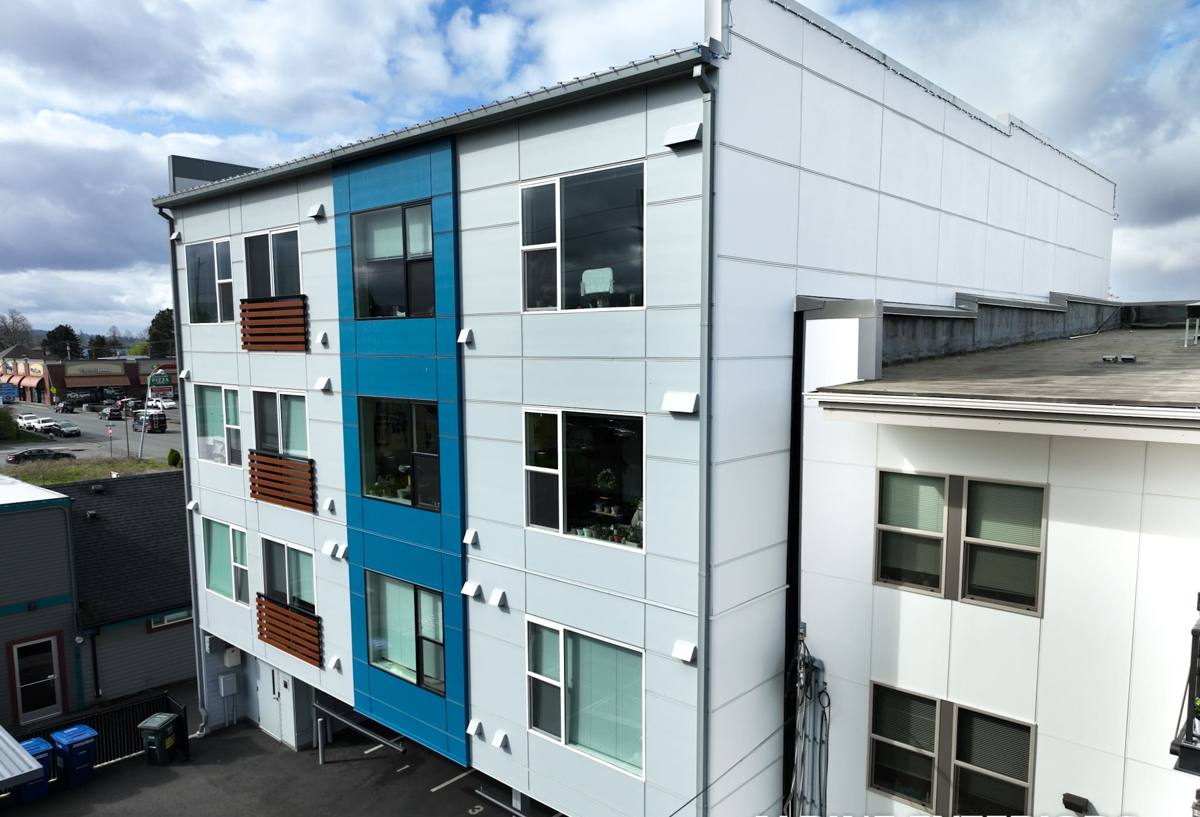
What Actually Goes Wrong When Coastal Siding Fails
Moisture Behind the Cladding
Wind-driven rain doesn't fall straight down here — storm systems push it sideways and drive it up under lap edges and around penetrations. If the water-resistive barrier behind the siding is missing, torn, or improperly lapped, that moisture gets trapped against the sheathing instead of draining back out. You often don't see this from the outside until the siding itself starts to bow, the paint starts bubbling, or a soft spot shows up near a window or door.
Fastener and Seam Failure
Salt air corrodes fasteners over time, and once a nail or screw starts to lose its grip, that section of siding becomes a wind risk. During a serious gust event, siding failure almost always starts at a compromised fastening point or an open seam, not in the middle of an intact panel.
Sun-Baked Finishes
Florida's UV load is brutal on paint and factory coatings. A finish that isn't engineered for this level of sun exposure will chalk, fade unevenly, and eventually crack, which lets moisture and salt into the substrate underneath — the actual material, not just the paint.
What a Correct Siding Replacement Involves
Tear-Off and Sheathing Inspection
Replacing siding correctly starts with removing the old material completely and inspecting what's underneath. Any rotted or soft sheathing gets identified and replaced before anything new goes up — covering damaged sheathing with new siding just hides a problem that will resurface, usually sooner than a homeowner expects.
Water-Resistive Barrier and Flashing
A new, continuous water-resistive barrier goes on before the siding, with flashing detailed correctly around every window, door, and penetration. This is the layer that actually keeps water out if wind-driven rain gets past the outer cladding — it matters as much as the siding itself, arguably more.
Fastening to Spec
Fastener type, spacing, and placement all have to match the manufacturer's requirements for the local wind zone. This isn't a place to save time — under-fastened siding is one of the most common causes of storm damage we see on homes that were re-sided by someone rushing the job.
Why We Install Only James Hardie Fiber Cement
We don't install vinyl, LP SmartSide, Cemplank, Allura, or primed wood siding — not because those products have no legitimate use anywhere, but because we've made a professional judgment about what holds up on this specific coastline. Vinyl softens and can distort in sustained high heat and loses its color under years of intense UV. Wood-based and OSB-core products need a moisture-tight finish maintained without fail, because once water gets into the core, the damage spreads. Given what wind-driven rain and salt air do to a home on this part of the Gulf coast, we standardized on James Hardie fiber cement.
Hardie's HZ product lines are climate-engineered specifically for high-humidity, moisture-prone regions like ours. The material is non-combustible, doesn't support rot, and its ColorPlus factory finish is baked on with a UV-resistant formulation, which matters enormously given how much direct sun a Dunedin exterior takes over a year. It also carries a strong, transferable manufacturer warranty when installed to spec — which is a meaningful detail if you plan to sell the home down the road.
Our Process for a Dunedin Siding Replacement
- Inspection and assessment — we look at the current siding, the sheathing condition where accessible, and any trouble spots around windows, doors, and roof lines.
- Written proposal — a clear scope covering material, color, trim details, and what the tear-off will include.
- Tear-off and sheathing check — old siding comes off, and any compromised sheathing is flagged and addressed before we move forward.
- Barrier and flashing installation — the water-resistive barrier and all flashing details go in first, sealing the home before the visible siding goes up.
- Hardie installation to spec — fastening schedule, clearances, and joint treatment all follow James Hardie's published requirements for our wind zone.
- Final walkthrough — we go over the finished job with you before calling it done.
Cost Factors in a Dunedin Siding Replacement
Every home is different, so we won't throw out a number that doesn't mean anything until we've looked at your house. What we can do is lay out the variables that actually move the price:
| Factor | Why It Matters |
|---|---|
| Home size and wall complexity | More square footage and more corners, gables, and dormers mean more material and labor time. |
| Sheathing condition | Rotted or water-damaged sheathing found during tear-off adds repair work before new siding can go on. |
| Siding profile chosen | Lap siding, panel systems, and shingle-style Hardie products differ in material and installation labor. |
| Trim and detail work | Corner boards, window and door trim, and fascia detailing add finish-carpentry time. |
| Access and site conditions | Tight lot lines, landscaping, or multi-story sections can slow staging and installation. |
Signs Your Dunedin Home Needs Siding Replacement Now
Some warning signs are obvious; others hide in plain sight until they've caused real damage. Watch for:
- Soft, spongy, or bowed sections when you press on the siding
- Paint that's bubbling, peeling, or chalking heavily to the touch
- Visible gaps, cracks, or seams that have opened up around trim and corners
- Rust streaking from fasteners or corroded hardware
- Musty smells or discoloration on interior walls that back up to exterior siding
- Siding that's noticeably faded or discolored compared to when it was installed
- Any section that flexed, cracked, or came loose during the last significant storm
If more than one or two of these apply, it's worth having someone look at the whole wall assembly, not just the visible surface, before deciding on repair versus full replacement.
Wind Zone and Permitting Considerations
Pinellas County sits within Florida's High-Velocity Hurricane Zone influence area, and coastal communities like Dunedin fall under wind design pressures that inland counties don't have to meet. Siding replacement here isn't just a cosmetic project — the fastening schedule, the rated wind pressure of the product, and the way flashing and barriers are installed all have to hold up to code requirements set for this exposure category. Permitting for exterior work in the county reflects that, and a job that skips the correct inspections or installs to a lower wind-pressure standard than the home actually requires is a liability that shows up the next time a serious storm comes through.
Why a Crew That Already Works This Coast Matters
Siding installation looks similar on paper everywhere in Florida, but the details that actually matter change based on how close a home sits to salt water and how exposed it is to storm-driven wind. A crew that works Dunedin and the surrounding Oldsmar area regularly already knows the local permitting process, already understands how this stretch of coastline behaves differently from homes twenty miles inland, and isn't learning those lessons on your project. That local familiarity shows up in the small decisions — flashing details, fastener choice, how tight the barrier laps are sealed — that don't show up on an invoice but absolutely show up in how the siding performs five and ten years down the road.
If your Dunedin home's siding is showing its age, or you're planning ahead of the next storm season, we're happy to take a look and give you a straight assessment — no pressure, no upsell, just what we'd actually recommend for your home. Request a free estimate using the form below and we'll get you scheduled.