 Oldsmar Siding
 Why Siding Repair Looks Different in Dunedin and Oldsmar
Homes along this stretch of Pinellas County take a beating that inland properties simply don't. Dunedin and Oldsmar sit close enough to the Gulf and Tampa Bay that salt-laden air is a constant, and that air works on siding fasteners, seams, and finishes year-round, not just during storm season. Add in Florida's intense UV exposure, near-daily summer humidity swings, and the wind-driven rain that comes with even a routine thunderstorm, and you have a climate that finds every weak point in a home's exterior faster than almost anywhere else in the country. Hurricane-force wind events, when they come, don't create new problems so much as they expose ones that were already there — a loose panel, a gapped seam, a soft spot where moisture had been getting in for months.
Siding repair here isn't a cosmetic errand. It's the thing standing between your home's structure and a climate that doesn't let up. A repair done right accounts for all of that; a repair done fast or cheap usually doesn't, and the homeowner finds out the difference a year or two later.
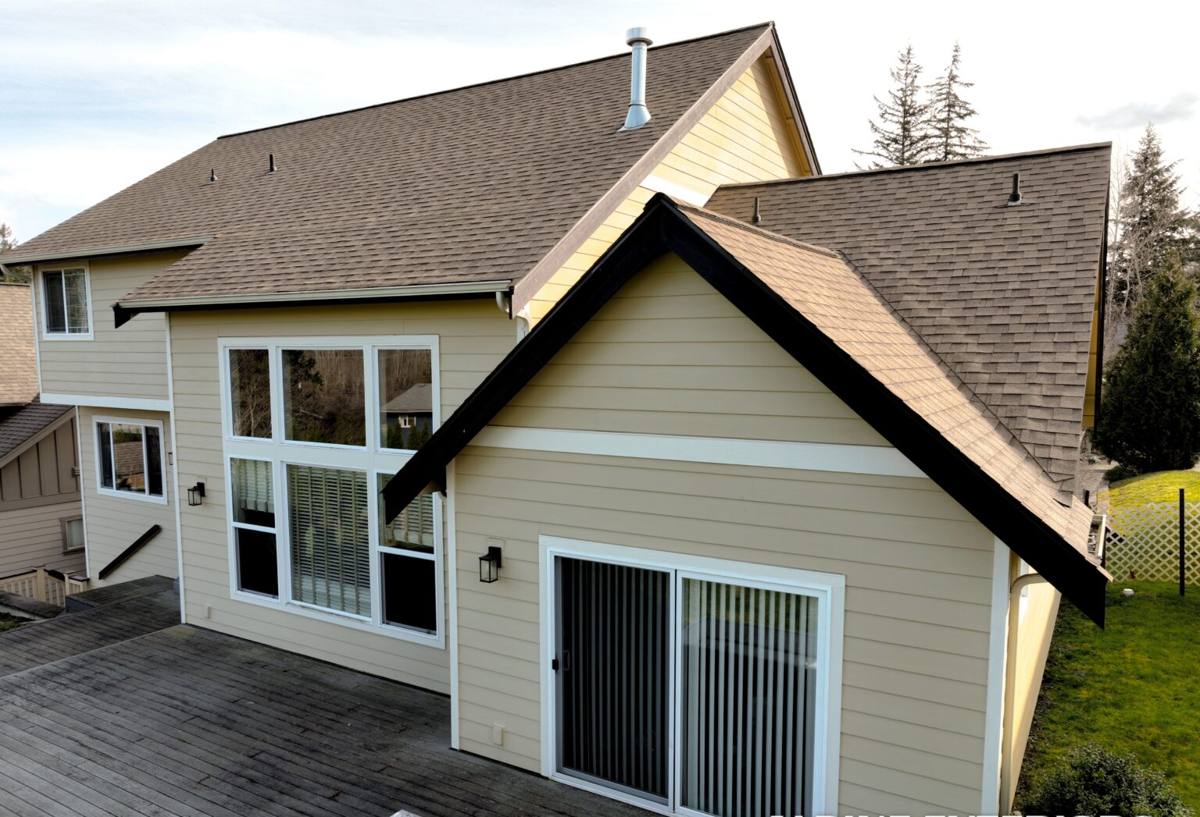
The Damage We Actually See on Local Homes
Every region has its own siding failure patterns, and this one is fairly consistent:
- Wind-driven rain intrusion at butt joints, corner boards, and around window and door trim — water pushed sideways under pressure finds gaps that would never be a problem in a light, straight-down rain.
- Fastener and panel movement after wind events, where boards have racked loose or nails have backed out, leaving panels that flex, rattle, or gap at the seams.
- UV-driven finish breakdown — chalking, fading, and surface degradation on older or lower-grade siding that was never engineered for Florida sun exposure.
- Impact damage from wind-borne debris — cracked or punctured panels, most often on the storm-facing side of the house.
- Hidden moisture and rot behind siding that looks fine from the driveway but has been letting water into the wall assembly for a long time, especially around older wood-based or non-climate-rated products.
The tricky part is that the visible damage — a cracked panel, a loose corner — is often the smallest part of the actual problem. What's happening behind that panel usually matters more.
Salt Air's Slow, Quiet Damage
Salt air doesn't announce itself the way a storm does. It settles into fastener heads, works into seams, and accelerates the breakdown of anything not built to handle it. On a home in Dunedin or Oldsmar, siding and trim that would last decades in a drier, inland climate can show real wear years ahead of schedule. This is one of the biggest reasons generic siding repair advice doesn't translate well to this area — a fix that holds up fine in Ohio may not hold up here at all.
Signs Your Siding Needs Repair Now, Not Later
Most siding failures give warning signs well before they become structural problems. Homeowners in this area should walk the exterior a couple of times a year, especially after any significant wind event, and look for:
- Panels or boards that feel soft, spongy, or flex when pressed
- Visible gaps, warping, or buckling at seams and corners
- Peeling, bubbling, or heavily chalking paint/finish
- Staining or dark streaking below seams, which usually points to water tracking behind the siding
- Nail heads popping through the surface or visible fastener corrosion
- Any soft spot in the wall when pressed near the base of the siding, which can signal rot in the sheathing behind it
- Increased pest activity (carpenter ants, termites) near siding seams — often a sign of ongoing moisture
Catching these early is the difference between a contained, affordable repair and a much larger job that involves sheathing replacement or interior wall damage.
What a Correct Siding Repair Actually Involves
A repair that only addresses what's visible from the ground is not a complete repair. Here's what should happen on any legitimate siding repair job:
1. Full Diagnostic, Not Just a Patch Estimate
Before any board comes off, the damaged area and the surrounding sections should be inspected — probing for soft wood, checking for moisture behind the siding, and identifying whether the damage is isolated or part of a wider pattern (which is common after wind events or with aging, poorly-rated siding).
2. Checking What's Underneath
Siding is the outer layer of a system that includes a water-resistive barrier and, underneath that, the sheathing. If water has been getting in, the repair has to address the barrier and sheathing condition, not just replace the visible panel. Skipping this step is the single most common reason a "repaired" area fails again within a year or two.
3. Matching Materials and Method
Replacement sections need to match the existing siding's profile, reveal, and fastening pattern so the repair is structurally sound and doesn't stand out. This is harder than it sounds when the original siding is an older product, a discontinued color, or a material with inconsistent quality.
4. Proper Flashing and Sealant Detailing
Every repair is an opportunity to correct a detail that may have been done wrong originally — flashing above windows and trim, sealant at penetrations, and drainage paths at the base of the wall. In a climate with this much wind-driven rain, these details matter as much as the siding itself.
Repair vs. Replace: How We Help You Decide
Not every damaged section needs a full re-side, and not every "small" repair should stay small. The honest answer depends on a few factors:
| Factor | Leans Toward Repair | Leans Toward Replacement |
|---|---|---|
| Extent of damage | Isolated to one or two sections | Spread across multiple walls or elevations |
| Underlying moisture | Localized, sheathing intact | Widespread rot or long-term water intrusion found |
| Siding age and condition | Newer, otherwise sound material | Original siding near or past its service life |
| Material match availability | Matching profile/color available | Discontinued product, poor match likely |
| Storm exposure going forward | Home well-protected, low wind exposure | Direct wind/rain exposure with recurring damage history |
We'll always tell you plainly which side of that table your home falls on. A targeted repair is often the right call — we're not going to push a full replacement when a repair will genuinely hold up.
Why Replacement Sections Are James Hardie, Not Whatever Was There Before
We're a James Hardie–only contractor, and that shapes how we approach repair work. When a repair calls for replacing damaged boards or panels, we don't patch in vinyl, LP SmartSide, primed spruce, or cedar — even if that's what's currently on the wall. Here's why that matters in a repair context specifically:
- Non-combustible fiber cement holds up to the sun, humidity, and salt exposure of this climate in a way wood-based and vinyl products generally don't over the long term.
- ColorPlus factory finish is baked on and engineered to resist the fading and chalking that UV causes here, which means a color-matched repair section stays consistent instead of visibly aging faster than the surrounding siding.
- HZ5 climate-engineered lines are built specifically for high-humidity, high-moisture regions like Florida's Gulf Coast — not a generic national product retrofitted for our conditions.
- A strong transferable warranty backs the material, which matters most on a repair, since a patch job is exactly the kind of work that needs to actually last.
To be fair to the products we don't install: vinyl is inexpensive and easy to source, and engineered wood products have their own strengths. But when we're the ones putting our name on a repair, we want the material going into that wall to be the one we trust to still be doing its job in twenty years, not two.
If your home's existing siding isn't Hardie, we'll still repair it honestly where a repair makes sense — but we'll tell you straight if the material itself is the reason the damage keeps recurring, and what your long-term options look like.
Our Repair Process, Start to Finish
- On-site inspection of the damaged area and adjacent siding, including a check for moisture and sheathing condition.
- Honest assessment of whether a targeted repair or a broader replacement is the right call, explained in plain terms.
- Written estimate covering scope, materials, and what's included — no vague line items.
- Removal of damaged material back to sound substrate, addressing any water-resistive barrier or sheathing issues found underneath.
- Installation of matched or Hardie replacement material, fastened and flashed to manufacturer specification for wind and moisture performance.
- Final detailing — sealant, trim, and paint/finish work so the repair blends into the rest of the home.
- Walkthrough so you can see exactly what was done and why.
Why It Matters That We Already Work This Area
Siding repair in coastal Pinellas County isn't identical to siding repair inland, and it isn't identical to siding repair in a different state. A crew that regularly works Dunedin and Oldsmar knows the wind exposure patterns specific to homes near the water, understands how salt air accelerates fastener and finish wear, and has already seen how local building requirements apply to exterior repair work. That familiarity shows up in small decisions — fastener choice, flashing details, how much of the surrounding area to open up when one section is damaged — that a crew unfamiliar with this climate might get wrong the first time.
It also means we're not guessing at what "normal" wear looks like here versus what's an actual red flag. Seeing dozens of homes in this specific area gives us a baseline that generic siding experience doesn't.
Get an Honest Look at Your Siding
If you're seeing damage, staining, or loose siding on your Dunedin or Oldsmar home, it's worth having it looked at before the next storm season adds to the problem. We'll give you a straight assessment of what's actually going on, what a proper repair involves, and what it would cost — no pressure, no upsell. Reach out for a free estimate and we'll get you a clear answer.