 Oldsmar Siding
 Why Largo's Climate Is Hard on Siding
Largo sits inland from both the Gulf beaches and Tampa Bay by only a few miles, so homes here deal with the same combination of stresses that the rest of the Pinellas County peninsula gets: hurricane-force wind gusts during storm season, wind-driven rain that gets forced sideways into wall assemblies instead of falling straight down, intense year-round UV that bakes painted and vinyl surfaces, and a steady drift of salt air that corrodes fasteners and trim faster than it would further inland. None of these forces are unique to Largo, but the city's mix of mid-century ranch homes, 1970s and '80s subdivision construction, and newer infill means a wide range of existing siding conditions — and a wide range of ways an installation can fail if it isn't done to spec.
What Wind-Driven Rain Actually Does
Straight-down rain is easy to shed. Wind-driven rain during a Gulf storm or a summer squall gets pushed up and under laps, into seams, and behind trim that isn't properly flashed. Over years, that moisture intrusion is what causes rot in wood-based siding and swelling or delamination in lower-grade composite products. A siding system is only as good as its weakest joint, and in Largo's climate, every joint gets tested regularly.
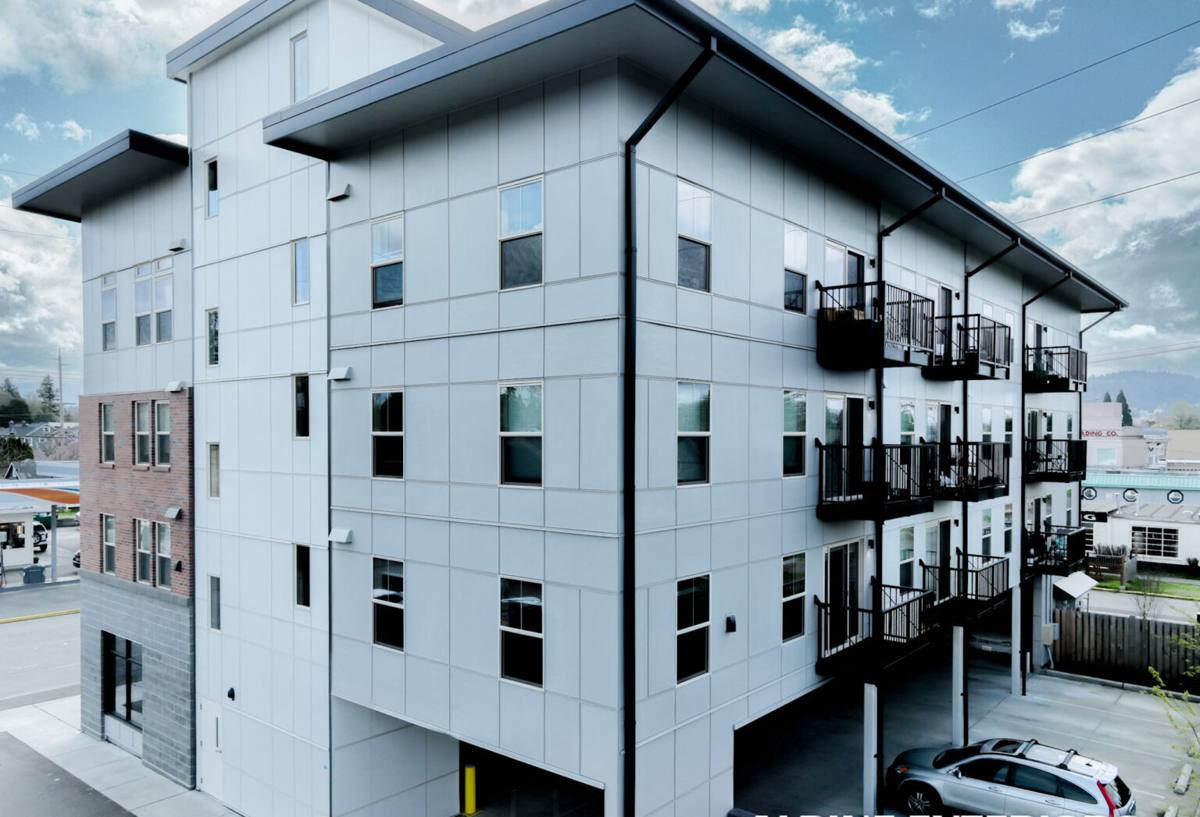
What a Correct Siding Installation Requires Here
"Correct" installation in Largo isn't the same as correct installation in a dry, low-wind climate. The manufacturer's install instructions, the Florida Building Code wind provisions, and basic building science all have to line up for the siding to actually perform for its full service life.
Fastening and Wind Resistance
Fastener type, spacing, and embedment depth all change based on the wind zone a home sits in. Pinellas County requires installation to meet Florida Building Code wind-load provisions, which for most Largo lots means closer fastener spacing and specific nail or screw types than what's used in calmer inland markets. Skipping this step is invisible on install day and very visible the first time a named storm rolls through.
Moisture Management Behind the Siding
The siding itself is the last line of defense, not the only one. A correct installation includes a continuous weather-resistant barrier, properly lapped and taped seams, and flashing at every window, door, and roofline intersection where water pressure concentrates during wind-driven rain. Skimping on flashing is one of the most common causes of hidden wall rot in older Largo homes, especially where additions or window replacements were done at different times by different crews.
Clearance and Drainage
Siding needs a gap above roof lines, decks, and grade, and it needs a drainage path so water that does get behind it can escape instead of sitting against the wall sheathing. Homes with mature landscaping or additions that were built up against the original structure — common across older Largo lots — are frequent spots where this clearance was never established correctly in the first place.
What's Currently on Largo Homes — and Why It's Struggling
A large share of Largo's housing stock predates modern siding products. It's common to find original wood lap siding, old hardboard composite panels, aluminum siding from a decades-old retrofit, or stucco with cracking and staining around window returns. Each of these has a different failure pattern under Florida's UV and humidity load:
- Original wood siding — repeated repainting cycles, soft spots at butt joints, and rot where sprinklers or landscaping keep the lower courses damp.
- Older hardboard composite panels — swelling, bubbling paint, and soft edges where moisture has been absorbed into the panel core over time.
- Aluminum siding — chalking finish, dents from storm debris, and oxidation streaking near fasteners and trim.
- Stucco — hairline cracking that widens with thermal movement, and staining where water tracks down from poorly flashed windows.
None of these are a judgment on the homeowner — they're a reflection of what was standard decades ago. But when it's time to re-side, they're also the reason a like-for-like replacement usually isn't the right call in this climate.
Our Installation Process for Largo Homes
1. On-Site Assessment
We walk the exterior and look at what's actually happening behind the current siding where we can access it — soft spots, staining patterns, flashing condition at penetrations, and any areas where past repairs or additions changed how water moves around the house.
2. Tear-Off and Substrate Check
Old siding comes off down to the sheathing so we can check for hidden rot or moisture damage before anything new goes up. Covering over a compromised substrate just hides a problem that will resurface later — we address what we find rather than build over it.
3. Weather Barrier and Flashing
A new, continuous weather-resistant barrier goes on with properly lapped seams, and flashing is installed at every window, door, and transition point according to manufacturer specifications and Florida Building Code requirements.
4. James Hardie Installation
Siding, fastening, and trim are installed to James Hardie's published instructions for our wind zone — correct fastener spacing, correct clearances, correct joint treatment. This is the step where corners cut on other jobs usually show up first, and it's the step we don't shortcut.
5. Final Inspection and Cleanup
We walk the finished job against the install spec before we call it done, and we clean up the site so the property looks better than it did when we arrived.
Permitting and Wind Code in Pinellas County
Siding replacement in Largo requires a building permit, and the installation has to meet the Florida Building Code's wind-load requirements for our region. This affects fastener schedules, the products that are approved for use, and how trim and flashing details are executed. A crew that pulls permits and passes inspections regularly in Pinellas County knows what the inspector will actually check — which keeps the project moving instead of stalling on a failed inspection or a missed detail.
Why James Hardie Fiber Cement Is What Goes on Largo Homes
We install James Hardie fiber cement siding exclusively — not vinyl, not LP SmartSide, not primed wood panels. In a climate defined by hurricane wind, wind-driven rain, and salt air, the material matters as much as the installation. Fiber cement is non-combustible, doesn't warp or rot the way wood-based products can, and holds up to UV exposure far better than vinyl, which tends to fade, chalk, and become brittle under years of Florida sun. James Hardie's HardieZone system is engineered specifically for humid, high-moisture climates like ours — the HZ5 product line used in this region is formulated for the moisture and temperature swings the Gulf Coast produces. The factory-applied ColorPlus finish is baked on and warrantied against fading and peeling, which matters when a house is going to face this much sun year after year. It also carries a strong transferable limited warranty, which protects the investment for the current owner and whoever buys the home next.
Cost Factors for a Largo Siding Installation
Every home is different, but the line items that actually move the price are consistent. This isn't a quote — it's a guide to what a contractor should be walking you through before giving you one.
| Factor | Why It Matters in Largo | Effect on Project |
|---|---|---|
| Old siding removal & disposal | Multiple layers or damaged substrate found underneath add labor | Increases cost and timeline |
| Hidden rot or moisture damage | Common under old wood, hardboard, or poorly flashed sections | Requires substrate repair before install |
| Home size & wall complexity | Gables, dormers, and multiple stories add cutting and staging time | Increases labor hours |
| Trim & architectural detail | Corner boards, window trim, and fascia detailing take more precision | Increases material and labor cost |
| HardieZone HZ5 product selection | Panel, plank, or shingle profile changes material cost | Varies overall material price |
| Wind-zone fastening requirements | Florida Building Code drives fastener type and spacing | Built into labor, not optional |
Why a Local Crew Matters
Siding installation isn't just a materials question — it's a familiarity question. A crew that regularly works Largo and the surrounding Pinellas County communities already knows the local permitting process, has a working relationship with the inspectors who sign off on the job, and has seen the specific failure patterns common to this area's housing stock — from 1970s hardboard to older stucco to aluminum retrofits. That experience shows up in fewer surprises mid-project, fewer callbacks after storm season, and a finished job that's built for the specific conditions this part of the county sees every year, not a generic install spec pulled from a colder, drier market.
Signs Your Largo Home May Need New Siding Soon
- Soft or spongy spots when you press on the siding, especially near the bottom courses
- Paint that's bubbling, peeling, or won't hold a fresh coat
- Visible warping, buckling, or gaps at seams and corners
- Staining or streaking that suggests water is tracking behind the siding, not just on it
- Rising cooling bills that could point to compromised insulation or air sealing behind the wall
- Siding that's original to a home built before the mid-1990s and has never been fully replaced
What to Expect After Installation
Correctly installed James Hardie siding needs very little from you. Rinse it occasionally to clear salt residue and pollen, keep sprinklers from soaking the lower courses, and have caulking and paint touch-ups checked periodically at trim joints — the same places any siding system depends on for its weather-tightness. Beyond that, it's built to handle what this climate throws at it without the recurring maintenance cycle that wood or older composite products demand.
If your Largo home's siding is showing its age or you're planning ahead of the next storm season, we're happy to take a look and walk you through what correct installation would involve for your specific house. The estimate is free, there's no pressure, and you'll get a straight answer about what your home actually needs — just fill out the form below.