 Oldsmar Siding
 Siding Replacement for Countryside Homes in Oldsmar
Countryside sits inland enough from the immediate coastline to feel a little sheltered, but it's still Pinellas County, and that means the same weather that batters the waterfront eventually reaches every wall in this neighborhood. Hurricane-force wind gusts, sustained wind-driven rain, salt-laden air carried in off Tampa Bay and the Gulf, and some of the most intense year-round UV exposure in the continental United States all take a toll on exterior siding here, whether a home sits three miles from open water or fifteen. Replacing siding in Countryside isn't a cosmetic project — it's a decision about how well a home's exterior will actually perform through the next decade of Florida weather.
This page focuses specifically on what siding replacement looks like for homes in and around Countryside: the conditions that wear siding out here, what a correctly done replacement actually involves, how we approach the job, and why choosing a crew that already works this neighborhood matters more than it might seem.
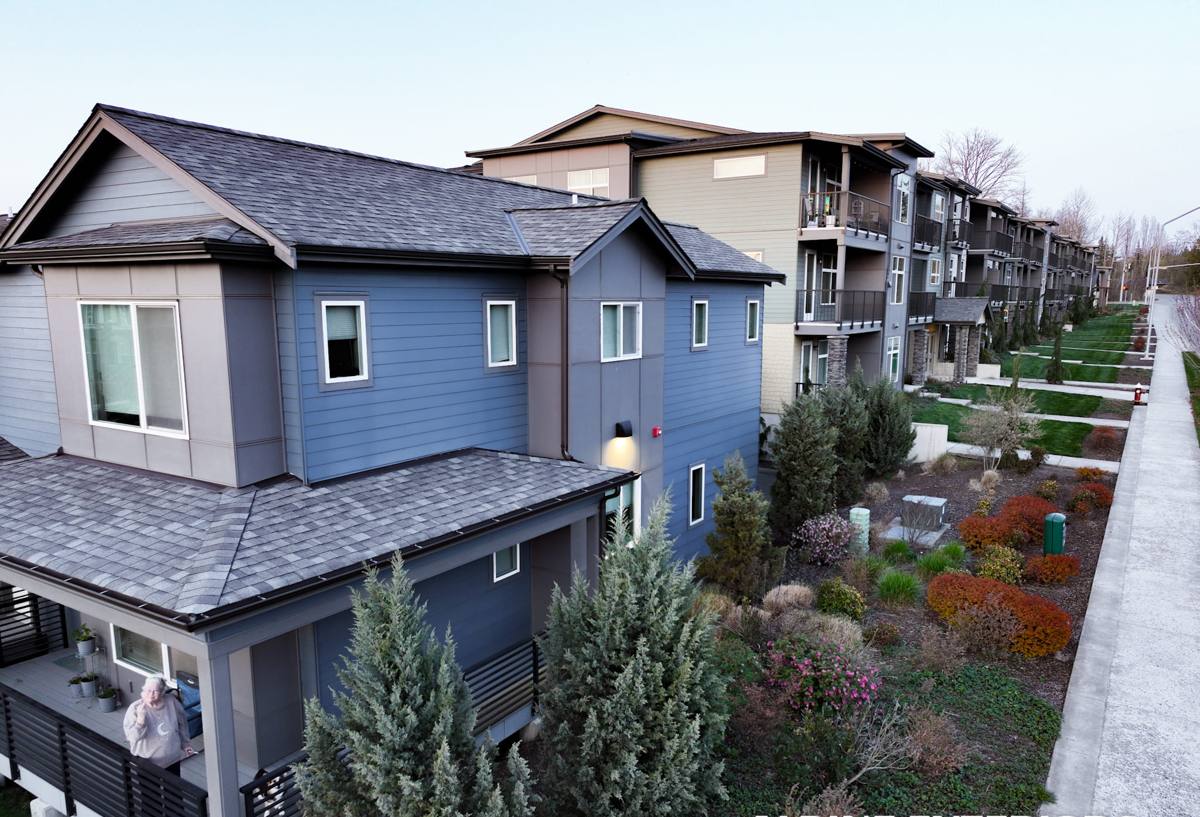
Why Countryside's Climate Is Hard on Siding
Wind and Storm Exposure
Oldsmar and the rest of Pinellas County sit squarely in a hurricane-prone corridor, and Countryside's tree canopy and established landscaping don't change the wind-loading a wall assembly has to withstand during a named storm. Siding that isn't fastened, flashed, and sealed to the manufacturer's specification for high-wind zones is one of the first things to fail — not always by blowing off outright, but by loosening at fastener points, letting wind-driven rain behind the panel, and setting up moisture problems that show up months later.
Wind-Driven Rain
Florida rain rarely falls straight down during the kind of weather that actually stresses siding. Tropical systems, afternoon thunderstorms with gusty outflow, and squall lines all push rain sideways into walls, which means the water-resistive barrier, flashing, and drainage detailing behind the siding matter as much as the siding material itself. A wall that looks fine from the street can still be taking on water at every window, door, and penetration if that layer wasn't built correctly the first time.
UV Exposure Year-Round
Pinellas County doesn't get a real winter break from sun intensity the way northern climates do. Siding here is under near-constant UV load twelve months a year, which accelerates fading, chalking, and degradation of any finish that isn't engineered to hold up to it. Field-applied paint jobs age faster in this kind of sun exposure than most homeowners expect, and repainting cycles that would stretch to eight or ten years elsewhere often shrink noticeably in a Tampa Bay backyard.
Salt Air, Even Inland
Countryside isn't beachfront, but Pinellas County is a peninsula, and salt-laden air moves further inland here than most people assume, especially with onshore wind patterns common through the warmer months. Salt exposure accelerates corrosion in fasteners, trim hardware, and any metal flashing that isn't rated for it, which is why "inland" siding work in this county still gets built to a coastal standard rather than a generic one.
Heat and Humidity Cycling
Beyond wind and rain, Countryside homes deal with a near-daily cycle of intense heat, high humidity, and afternoon storms that can drop the temperature and soak a wall within minutes. That constant expansion, contraction, and moisture cycling is hard on materials that aren't dimensionally stable, and it's a major reason why some siding products hold their look and shape here far better than others.
Signs a Countryside Home Needs Siding Replacement, Not a Patch
Not every siding issue calls for a full replacement, but in this climate, small problems tend to compound quickly if they're left alone. It's worth having a professional look at your home if you notice any of the following:
- Soft, spongy, or bubbling spots when you press on the siding, especially near the bottom courses or below windows
- Visible warping, buckling, or panels that no longer sit flat against the wall
- Persistent staining or streaking that keeps coming back after cleaning
- Paint that's peeling, bubbling, or failing faster than a normal repaint cycle would suggest
- Soft or discolored trim boards, corner boards, or fascia near the siding
- Gaps opening up at seams, corners, or around windows and doors
- A musty smell near exterior walls or in adjacent interior rooms
- Visible rust streaking from fasteners or trim hardware
Any one of these can be a localized repair. Several at once, especially on a home whose original siding is fifteen-plus years old, usually means the whole envelope has aged out together and a full replacement will be more cost-effective than chasing individual repairs.
What a Correct Siding Replacement Involves
A siding replacement that's actually built for Countryside's conditions is a full-envelope project, not just swapping the visible surface. The steps below are what we consider non-negotiable, regardless of the material a homeowner ultimately chooses.
Full Tear-Off and Inspection
Old siding and trim come off down to the sheathing so the crew can actually see what's underneath. In a humid, storm-exposed climate, hidden moisture damage behind old siding is common enough that skipping this step means guessing at the condition of the wall rather than knowing it.
Sheathing and Framing Repair
Any rotted sheathing, water-damaged framing, or compromised structural wood gets cut out and replaced before new siding goes on. New siding installed over a compromised substrate fails early, no matter how good the siding itself is.
Water-Resistive Barrier and Flashing
A new water-resistive barrier gets installed correctly, with proper overlap and sealing, along with flashing at every window, door, and roof-to-wall transition. This is the layer that actually keeps wind-driven rain out of the wall assembly, and it matters more in Pinellas County than almost anywhere else in the country.
Corrosion-Resistant Fasteners and Hardware
Given the salt air that reaches even inland neighborhoods like Countryside, we use fasteners and metal trim components rated for coastal exposure rather than standard hardware that corrodes early and stains the siding around it.
Manufacturer-Spec Installation for Wind Zones
Fastener spacing, nailing patterns, and installation details are followed to the manufacturer's specification for high-wind regions — not a generic install pattern. This is also what keeps a siding warranty valid if a storm ever puts it to the test.
Trim, Caulking, and Finish Details
Corner boards, window and door trim, and color-matched caulking finish the job. These details are easy to rush on a lower bid, and they're usually the first thing that looks wrong on a corner-cut installation, even when the field siding itself looks fine.
How We Approach a Countryside Siding Replacement
- An in-person walkthrough of the home, siding condition, and any visible trouble spots, with an honest read on whether repair or full replacement makes sense
- A written estimate that specifies full tear-off, sheathing inspection, material and product line, fastener and flashing hardware, and trim scope — not a vague per-square-foot number
- Permit handling through Pinellas County and the City of Oldsmar as required, so the job is inspected and documented correctly
- Tear-off, substrate repair as needed, and installation of the new water-resistive barrier and flashing system
- Siding installation to manufacturer wind-zone specifications, followed by trim, caulking, and finish work
- A final walkthrough with the homeowner before the job is considered complete
Why We Only Install James Hardie Fiber Cement
We install James Hardie fiber cement siding exclusively. We don't install vinyl, LP SmartSide, Cemplank, Allura, primed spruce, or cedar, and that's a deliberate standard rather than a limitation we apologize for. Here's the honest reasoning behind it, particularly as it applies to a climate like Countryside's:
| Material | How It Performs in This Climate |
|---|---|
| Vinyl siding | Lower upfront cost, but can soften, warp, or distort in intense heat and direct sun, and thinner profiles show wind damage more readily in storm-force gusts |
| Cedar / primed wood | Attractive natural look, but requires frequent repainting and caulking to hold up against Florida humidity and UV, with real risk of rot and insect damage if maintenance lapses |
| LP SmartSide / engineered wood | More affordable than fiber cement, but a wood-fiber core that's sensitive to moisture at cut edges and joints, which is a harder standard to meet in a wind-driven-rain climate |
| James Hardie fiber cement | Non-combustible, dimensionally stable in heat and humidity swings, factory-applied ColorPlus finish resists Florida's intense UV far longer than field-applied paint, backed by a strong transferable warranty |
James Hardie's HZ product lines are engineered specifically for climates like this one — hot, humid, storm-exposed, and sun-intense year-round. The material doesn't absorb and swell with moisture the way wood-based sidings can, it holds its color and shape through repeated heat cycling, and it carries a warranty structure built around long-term performance rather than a low entry price. For a Countryside home that's going to sit through hurricane seasons, salt air, and relentless Gulf Coast sun for the next twenty-plus years, that difference tends to matter more with each passing summer.
Color and Finish Options
Hardie's ColorPlus finish comes in a range of factory-baked color options designed to resist fading under exactly this kind of sun exposure, which is a meaningful advantage over a field-painted finish that will need repainting on a shorter cycle in this climate. Choosing a profile and color that fits the look of the surrounding Countryside streetscape is part of the conversation during an estimate, not an afterthought.
Cost Factors Specific to a Countryside Replacement
Every home is different, but a few factors consistently move the price on a siding replacement in this neighborhood:
- Home size, roofline complexity, and number of stories
- Whether the old siding needs full tear-off or, in rare cases, can be overlaid (we recommend tear-off in this climate)
- Condition of the sheathing and framing once the old siding is removed
- Number and complexity of windows, doors, and architectural details
- Product line and profile selected within the Hardie lineup
- Site access, mature landscaping, and staging space typical of established Countryside lots
- Permit and inspection requirements through the City of Oldsmar and Pinellas County
A trustworthy estimate should walk through each of these rather than reducing the whole project to a single square-footage number, since two homes of similar size can have very different scopes once sheathing condition and trim complexity come into play.
Why Local Experience in Countryside Matters
A crew that already works in Countryside and the surrounding Oldsmar area understands the mix of home styles here, from older single-story ranches to newer two-story construction, and knows what typically shows up when the old siding comes off a home of a given age in this part of Pinellas County. That familiarity shortens the guesswork on an estimate and helps flag likely hidden repair needs before the job starts rather than as a surprise mid-project.
Local experience also means knowing the practical realities of scheduling around Florida's wet season, coordinating with the City of Oldsmar's permitting process, and understanding how HOA guidelines in established neighborhoods like Countryside typically handle exterior material and color changes. None of that shows up in a generic online quote, but all of it affects how smoothly a real project goes from estimate to finished job.
Maintaining Hardie Siding After Installation
One of the practical advantages of fiber cement in this climate is how little ongoing maintenance it actually needs compared to wood-based or vinyl alternatives. A periodic rinse to clear salt residue and pollen buildup, prompt attention to any caulking that shows separation at seams, and a visual check after major storms for impact damage are generally enough to keep the siding performing as designed. That's a meaningfully lighter maintenance load than the repainting and caulking cycles that wood and some engineered products require in this environment.
If your Countryside home's siding is showing its age, or you're just not sure whether you're looking at a repair or a full replacement, we're glad to walk the property with you and give you a straight answer. Reach out below for a free, no-pressure estimate.