 Oldsmar Siding
 Roofing in the Town 'N Country Area Isn't Like Roofing Everywhere Else
Homes in and around Town 'N Country sit in one of the more demanding roofing environments in the country. Between the Gulf's salt air, near-constant UV exposure, wind-driven summer storms, and the real possibility of a hurricane-strength event, a roof here works harder than the same roof would in almost any inland market. That's not a sales pitch — it's just what the materials and the fasteners are up against every single day.
When we talk about roof replacement for this neighborhood specifically, we're talking about a system built for those conditions, installed by a crew that understands the local permitting process, the wind-load requirements, and what actually fails first on roofs in this part of Florida. A generic "we'll put shingles on it" approach isn't good enough here, and homeowners who've had a roof fail early usually find that out the hard way.
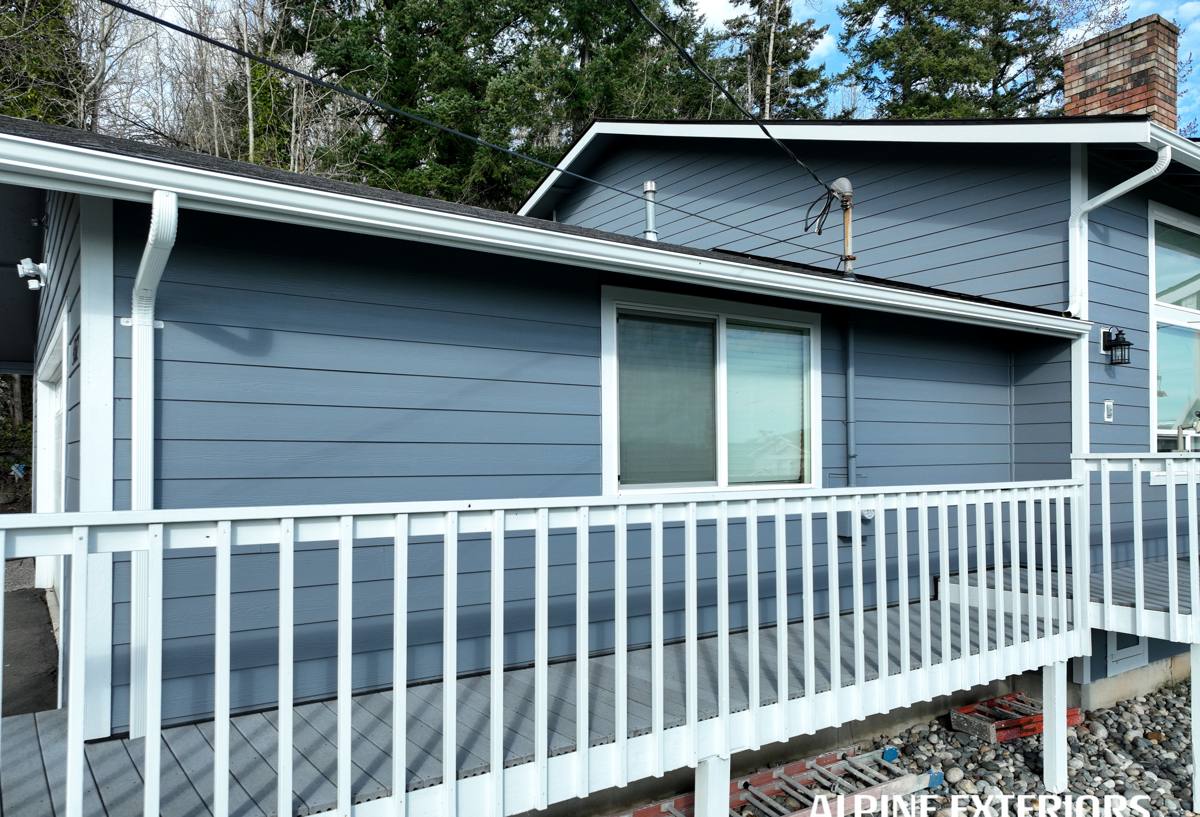
What the Climate Actually Does to a Roof Here
It helps to understand the specific stresses at work, because they drive almost every decision in a proper replacement.
UV and Heat
Florida sun breaks down asphalt shingles and roofing cement faster than in most of the country. Granule loss, brittleness, and premature aging are common on roofs that are otherwise structurally fine — the sun simply cooks the material over time.
Wind-Driven Rain and Hurricanes
It's not just the wind speed that causes damage — it's rain being driven sideways and upward under shingle edges, flashing, and ridge caps. A roof can look intact after a storm and still have water intrusion at every weak seam. This is why fastening patterns, underlayment choice, and edge details matter as much as the shingle brand.
Salt Air
Being within reach of Gulf air means faster corrosion on exposed metal — nails, flashing, vents, and fasteners. Roofs built with standard-grade metal components tend to show rust and deterioration years before roofs of the same age further inland.
Humidity and Attic Moisture
Florida's humidity puts pressure on attic ventilation. A roof that isn't breathing properly traps moisture, which shortens the life of the decking and the shingles from underneath — a failure mode that has nothing to do with the surface layer and everything to do with what's happening beneath it.
How to Tell If You Need Replacement, Not Repair
Not every roof problem means a full tear-off. But there's a point where repairs stop making financial sense and start becoming a pattern of patching the same underlying issue. Here's what tends to signal that a full replacement is the right call:
- Shingles are curling, cupping, or losing granules across large sections rather than in one isolated spot
- You've had two or more leak repairs in the same general area within a couple of years
- The roof is nearing or past the expected lifespan for its material (roughly 15-20 years for standard asphalt shingles in this climate, often less under harsh sun exposure)
- There's visible sagging in the roofline, which can point to decking or structural issues underneath
- Flashing around chimneys, vents, or skylights is cracked, rusted, or pulling away
- You're seeing daylight through the attic decking, or attic insulation shows water staining
- Your insurance carrier is requiring a roof update to maintain or renew coverage
- A recent storm caused wind or impact damage significant enough that patch repairs would leave weak points
If you're only seeing one or two of these and the roof is relatively young, a targeted repair is often the more honest recommendation — and we'll tell you that plainly rather than pushing a replacement you don't need yet.
Roofing Materials That Actually Hold Up Here
Material choice matters more in this climate than in milder ones. Here's an honest comparison of the main options homeowners in this area typically weigh:
| Material | Typical Lifespan Here | Wind/Storm Performance | Trade-Offs |
|---|---|---|---|
| Architectural asphalt shingles | 15-20 years | Good, when installed with proper nailing pattern and rated for high wind | Best value; still the most common choice for this region |
| 3-tab asphalt shingles | 10-15 years | Lower wind resistance than architectural | Lower upfront cost, but we generally don't recommend these for coastal-influenced areas |
| Metal roofing | 30-50 years | Excellent when properly fastened | Higher upfront cost; requires coastal-rated fasteners and coatings to resist salt corrosion |
| Tile (concrete or clay) | 30-50 years | Very good, but individual tiles can crack or dislodge in extreme wind | Heavier structural load; higher repair cost per incident |
For most homes in this neighborhood, a high-wind-rated architectural shingle system offers the best balance of durability, cost, and appearance. When a homeowner wants a longer-term investment or has the structure to support it, metal is worth a serious look — but it needs to be installed with coastal-grade hardware, not standard fasteners, or the salt air will undo the advantage within a few years.
What a Correct Roof Replacement Actually Involves
A roof replacement is more than swapping old shingles for new ones. Done right, it's a full system, and skipping any layer of it is where premature failures come from.
1. Tear-Off and Deck Inspection
We remove the existing roofing material down to the decking and inspect every sheet of plywood or OSB underneath. Any soft, delaminated, or water-damaged decking gets replaced before anything new goes down — installing new shingles over compromised decking just hides the problem.
2. Underlayment
In a climate with this much wind-driven rain, underlayment is a second line of defense, not an afterthought. We use synthetic or self-adhering underlayment rated for high-wind, high-moisture conditions, with extra attention at valleys, eaves, and penetrations.
3. Flashing and Edge Details
Most leaks trace back to flashing, not the field of the roof. New flashing at chimneys, walls, vents, and roof-to-wall transitions is standard on every replacement we do — reusing old, corroded flashing is a shortcut that costs homeowners later.
4. Fastening for Wind Uplift
Nailing pattern and fastener count directly affect how a roof performs in high wind. We install to meet or exceed local wind-uplift requirements, not just manufacturer minimums, because Pinellas County and the surrounding Tampa Bay area see real hurricane risk most years.
5. Ventilation Check
We evaluate intake and exhaust ventilation as part of the job. Correcting airflow issues during replacement is far cheaper than doing it as a separate project later, and it directly extends the life of the new roof.
6. Final Inspection and Cleanup
Every replacement ends with a walk-through, magnetic nail sweep of the property, and a review of the finished work before we consider the job done.
Permits, Wind Mitigation, and Insurance
Roof replacements in this area require a permit, and the work has to meet Florida Building Code wind-load standards for the region — this isn't optional paperwork, it's what keeps the roof (and your insurance) valid. We handle the permitting process as part of the job.
It's also worth knowing that a new roof can qualify you for a wind mitigation inspection, which often lowers homeowners insurance premiums. We can point you toward that process once the replacement is complete; the savings can offset part of the project cost over time.
What Drives the Cost
Every roof is different, but these are the main factors that move the price up or down:
| Factor | Why It Matters |
|---|---|
| Roof size and pitch | More square footage and steeper slopes mean more material and labor time |
| Material choice | Asphalt, metal, and tile carry very different material and installation costs |
| Number of layers to remove | Tearing off multiple existing layers adds labor and disposal cost |
| Decking condition | Rotted or water-damaged decking needs replacement before new roofing goes on |
| Roof complexity | Valleys, dormers, chimneys, and skylights all add flashing and labor time |
| Wind rating requirements | Higher wind-rated systems and fasteners cost more but perform better long-term |
We give homeowners an itemized estimate before any work starts, so you know exactly what you're paying for and why — not a vague lump sum.
Why It Matters That We Already Work in This Neighborhood
A crew that regularly works Town 'N Country and the surrounding Oldsmar and Pinellas County area brings something a traveling or out-of-area contractor can't: familiarity with how homes here are actually built, what the local permitting office expects, and which details tend to fail first under this specific combination of sun, salt, and storm exposure.
That local experience shows up in small but important ways — knowing which flashing details need extra attention on homes of a certain age or style common to this area, understanding realistic timelines around Florida's rainy season, and being available if a warranty question or storm-related issue comes up after the job is done. A roof replacement is a long-term investment; it's worth having a contractor who's still going to be local when you need them.
Maintaining a New Roof in This Climate
A properly installed roof still benefits from basic upkeep, especially given the conditions here. A short list worth following:
- Have the roof visually inspected after any major storm, even if you don't see obvious damage
- Keep gutters and valleys clear of debris so water isn't pooling or backing up under shingles
- Trim overhanging tree limbs that can drop debris or rub against the roof surface in wind
- Watch for granule buildup in gutters, which can signal accelerated shingle wear
- Schedule a professional inspection every couple of years, even without visible problems
- Address small leaks or flashing issues promptly rather than waiting for them to spread
If your roof is showing its age or you just want an honest read on where it stands, we're happy to take a look. Reach out for a free, no-pressure estimate using the form below — we'll give you a straight answer about whether you need a repair or a full replacement, no upselling involved.