 Oldsmar Siding
 Roof Replacement Built for the Lutz Climate
Homes in the Lutz area, like those throughout greater Oldsmar and the Tampa Bay region, take a beating that most of the country never sees. Hurricane-force wind events, months of intense subtropical UV, sudden wind-driven downpours, and a steady dose of salt-laden air off the Gulf all work against a roof at the same time. A roof replacement here isn't just about swapping old shingles for new ones — it's about rebuilding the entire roof assembly so it can actually stand up to what a Tampa Bay summer and hurricane season throw at it.
We work on homes throughout Lutz and the surrounding Oldsmar area regularly, and the failures we see are rarely random. They follow a pattern tied directly to this climate: UV breaking down shingle mat and sealant strips faster than the manufacturer's rated lifespan, wind lifting improperly sealed or under-nailed shingles at the edges and ridges first, and moisture finding its way in through aging flashing long before the shingles themselves look obviously worn out.
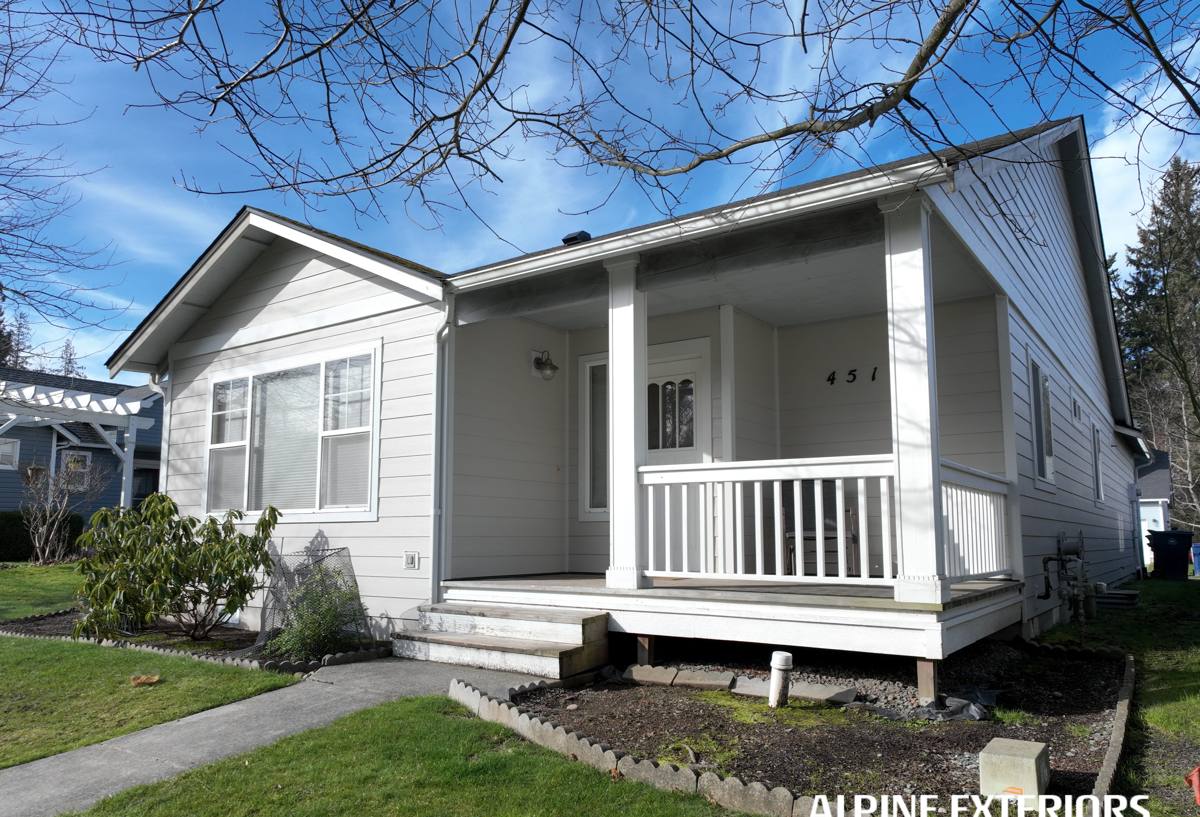
Signs a Lutz-Area Roof Is Ready for Replacement
Florida roofs often show wear from the inside before it's obvious from the street. Some of the most reliable signs we look for when inspecting a home in this area include:
- Granule loss visible in gutters or at the base of downspouts, which signals the shingles have lost their UV protection
- Curling, cupping, or cracked shingles, especially on south- and west-facing slopes that take the most direct sun
- Soft spots in the decking when walked on, often from long-term slow leaks around flashing or penetrations
- Visible daylight or water staining in the attic, particularly around chimneys, vent stacks, and roof-to-wall transitions
- A roof age approaching or past 18-20 years for asphalt shingle roofs, or any age if the roof has taken a direct hurricane hit
- Missing or lifted shingles after a wind event, even if the rest of the roof looks intact
Any one of these on its own might be repairable. Several at once, or a roof already at the tail end of its expected life, usually means a full replacement is the more honest and more cost-effective answer than another round of patching.
What a Correct Roof Replacement Actually Involves
Full Tear-Off, Not a Layover
We remove the existing roofing material down to the deck rather than installing over it. A layover hides the condition of the decking and existing flashing, and it traps moisture between layers — a real problem in a humid climate where trapped moisture leads to rot and mold you can't see until it's serious.
Deck Inspection and Repair
Once the deck is exposed, we check every sheet for soft spots, delamination, and fastener pull-through. Any compromised decking gets replaced before anything else goes down. Skipping this step is one of the most common shortcuts in this industry, and it's also one of the most damaging, because a new roof over a weak deck fails from the inside regardless of how good the shingles are.
Underlayment and Sealed-Deck Protection
In a region that sees wind-driven rain forced sideways under standard flashing, underlayment choice matters. We use synthetic or self-adhering underlayment at the eaves, valleys, and penetrations to create a sealed deck — a secondary water barrier that keeps the house dry even if wind ever drives water past the shingles themselves.
Flashing Done Right
Flashing around chimneys, skylights, sidewalls, and vent penetrations is where most Florida roof leaks actually originate, not in the open field of shingles. We replace flashing rather than reuse it and reseal old metal, since reused flashing is one of the most common causes of a leak showing up again within a year or two of a "new" roof.
Wind-Rated Fastening
Nail pattern and fastener count are not cosmetic details here — they're the difference between a roof that survives a wind event and one that doesn't. We install to the fastening schedule required for our wind zone, which typically means more nails per shingle than the manufacturer's minimum and correct nail placement in the reinforced strip, not just anywhere that holds.
Ventilation That Matches the Attic
An attic that can't breathe cooks the underside of the decking and shortens shingle life from below, on top of the damage UV does from above. We size intake and exhaust ventilation to the attic rather than just adding a vent or two, which also helps with cooling costs in a climate where the attic can hit extreme temperatures for months at a time.
Comparing Roofing Material Options for This Climate
Most homes in the Lutz and Oldsmar area are candidates for either architectural asphalt shingles or metal roofing, with a smaller number of tile re-roofs. Each has real trade-offs worth understanding before you decide.
| Material | Wind Performance | UV/Heat Behavior | Maintenance | Typical Lifespan |
|---|---|---|---|---|
| Architectural asphalt shingle | Strong when properly fastened and sealed | Granule loss over time from constant sun | Low; periodic inspection | 18-25 years |
| Standing seam metal | Excellent; concealed fasteners resist uplift | Reflects heat well, minimal degradation | Very low | 40-50+ years |
| Concrete or clay tile | Good if properly attached; individual tiles can crack from impact | Handles UV very well | Moderate; cracked tiles need replacement | 40-50+ years |
We don't push one product on every home. The right call depends on your roof's structure, your budget, and how long you plan to be in the home. What we do insist on, regardless of material, is that it's installed to the fastening and flashing standards this climate demands — a premium product installed loosely will still fail early, and a mid-range product installed correctly will often outperform it.
Our Roof Replacement Process
- On-site inspection. We get on the roof and in the attic, not just a look from the driveway, to assess deck condition, ventilation, and flashing before quoting anything.
- Written scope and estimate. You get a clear breakdown of materials, tear-off, deck repair allowances, and fastening/flashing details — no vague "roof replacement" line item.
- Permitting. Roof replacements require a permit in this area, and we handle the permit and required inspections as part of the job, not as an afterthought.
- Tear-off and deck repair. Old material comes off, the deck gets inspected and repaired, and debris is hauled off the same day where possible.
- Underlayment, flashing, and ventilation installed. The parts of the roof you won't see once it's finished are the parts that determine whether it holds up.
- Final material installation. Shingles, panels, or tile go on to the fastening schedule required for our wind zone.
- Final inspection and walkthrough. We review the completed roof with you and make sure the required municipal inspection is scheduled and passed.
Permitting, Wind Mitigation, and Insurance
A permitted, inspected roof replacement also sets you up for a wind mitigation inspection afterward, which can lower your homeowners insurance premium by documenting things like the roof-to-wall attachment method, roof shape, and secondary water barrier. We build the roof to meet current wind mitigation criteria where it's practical to do so, and we can point you toward a licensed inspector to document it once the roof is done. This isn't something we invoice for or guarantee a specific discount on — it's simply part of doing the job to current standards in a hurricane-exposed area.
Why Local Experience in Lutz and Oldsmar Matters
A roof replacement isn't a generic product install — it's a response to a specific set of local conditions: this area's wind exposure, the salt air moving in off the Gulf and Tampa Bay, and the permitting and inspection process specific to the local jurisdictions homes here fall under. A crew that already works this area knows the fastening schedule required for our wind zone, has relationships with the local permitting offices, and has seen firsthand which flashing details and material choices hold up here and which ones don't. That's experience you can't get from a crew that mostly works somewhere with a milder climate and just adds Florida jobs on the side.
Questions to Ask Before You Hire
- Are you licensed and insured to perform roofing work in Florida, and can I see current documentation?
- Will you pull the required permit and schedule the required inspections yourself?
- Is this a full tear-off, and will you inspect and repair the decking as part of the price?
- What underlayment and flashing will you use, and is a secondary water barrier included?
- What is the fastening schedule for my wind zone, and will it be documented for wind mitigation purposes?
- What warranty covers workmanship separately from the manufacturer's material warranty?
If a contractor can't answer these clearly and specifically for your home, that's worth treating as a red flag before signing anything.
Get a Free, No-Pressure Estimate
If your roof is showing its age, took a hit in the last storm season, or you just want an honest read on how much life it has left, we're happy to take a look. The estimate is free, there's no pressure to move forward, and you'll get a clear, specific breakdown of what your home actually needs — not a generic quote. Fill out the form below to get started.