 Oldsmar Siding
 Roof Repair for Citrus Park Homes
Citrus Park sits close enough to Oldsmar and the greater Tampa Bay area that its roofs face the same relentless combination of conditions: long stretches of intense UV exposure, sudden wind-driven downpours, and salt-laden air drifting in off the water. None of that damage happens overnight. It builds slowly — a lifted shingle here, a cracked pipe boot there — until a routine afternoon storm finds the weak spot and sends water into the attic. Roof repair done right isn't about slapping sealant on a stain and hoping it holds through the next front. It's about finding the actual entry point, fixing the roofing system around it correctly, and leaving the roof better prepared for the next round of Florida weather.
We work on homes throughout this part of Pinellas and northern Hillsborough County regularly, which means we already know how the area's roofs tend to fail and what it takes to fix them properly the first time.
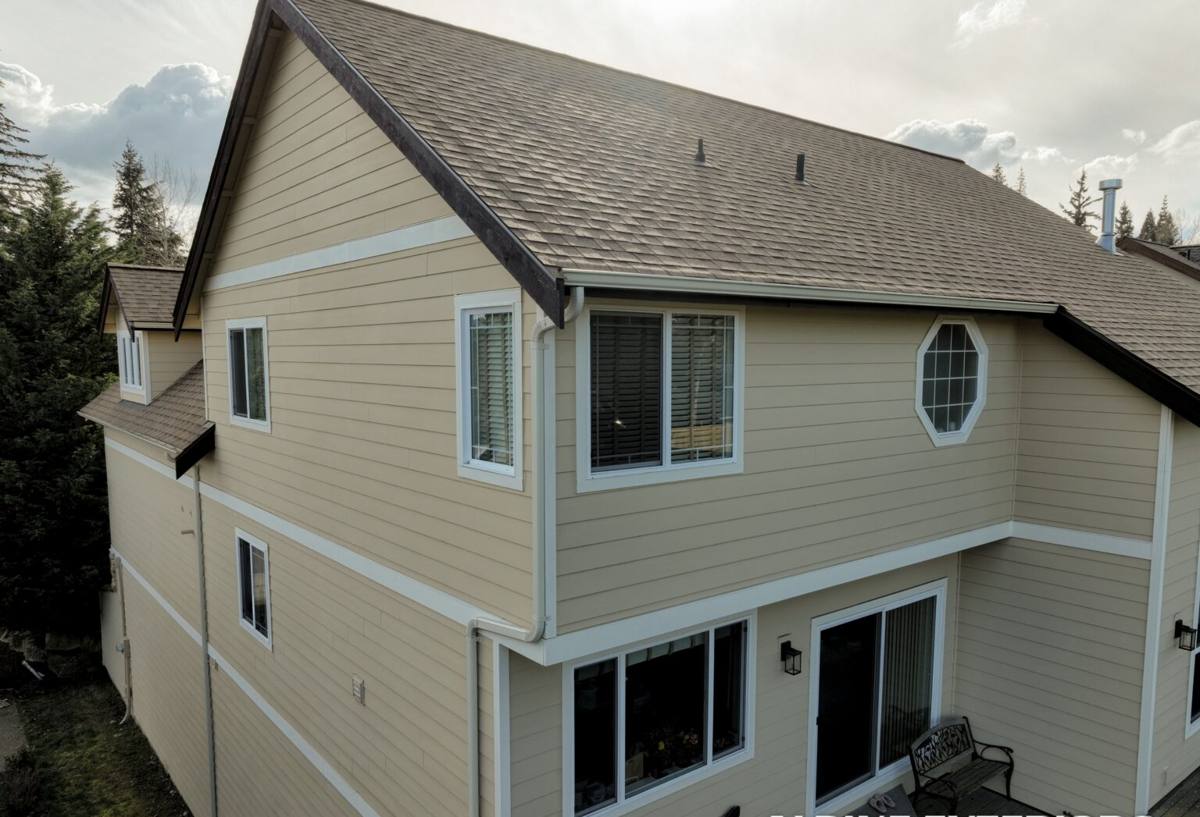
Why Citrus Park Roofs Wear the Way They Do
The roofing on a typical Citrus Park home takes a beating from a few specific directions, and understanding them helps explain why some repairs hold for years and others fail within a season.
Heat and UV Cycling
Florida sun doesn't just fade shingles — it cooks the asphalt and dries out the oils that keep shingles flexible. Over years of daily heating and nightly cooling, shingles become brittle, granules shed, and seals that were once watertight start to crack. Flat roof membranes go through the same cycle, developing surface cracking (called alligatoring) that lets water find seams and fasteners.
Wind-Driven Rain
Summer storms here rarely fall straight down. Wind pushes rain sideways and up under shingle edges, ridge caps, and flashing — areas that shed water fine in a light drizzle but fail under lateral pressure. This is why a leak often shows up only during specific storm conditions and stays dry the rest of the time, which makes it easy for homeowners to underestimate the problem.
Salt Air Corrosion
Proximity to Tampa Bay means airborne salt settles on exposed metal — flashing, nail heads, vent stacks, and gutter hardware. Left unaddressed, corrosion weakens fasteners and eats through thin metal flashing, opening gaps that wouldn't exist on a roof further inland.
Signs a Repair — Not a Full Replacement — Is the Right Call
Not every roof problem means the whole roof is done. A well-maintained roof with isolated damage can often be repaired cost-effectively, especially if the underlying decking and majority of the roofing material are still sound.
- A ceiling stain that appears only during or after wind-driven storms
- A handful of missing, cracked, or curling shingles in one section
- Rust or gaps visible around a single vent pipe, chimney, or skylight
- Soft or discolored roof decking felt when walking a specific area of the attic
- Lifted or separated flashing at a roof valley or wall intersection
- Granules collecting in gutters after a storm, concentrated near one roof plane
If the damage is spread across most of the roof, if the shingles are past their expected service life, or if repeated repairs keep addressing the same general area, that's usually a sign the roof is nearing the point where replacement makes more financial sense than continued patching. A straightforward inspection will tell you honestly which category your roof falls into.
What a Correct Roof Repair Actually Involves
Finding the Real Source
Water rarely drips straight down from where it enters. It travels along the underside of decking, following the path of least resistance before showing up as a stain feet away from the actual leak. A rushed repair patches the visible symptom; a correct one traces the path back to where water is actually getting in — often at a flashing seam, a nail penetration, or a valley — and fixes that.
Matching Materials and Technique
Repairs need to match the existing roofing system, not just cover it. Shingle repairs should use compatible shingles properly woven into the existing course pattern, not simply layered on top. Flashing repairs should use corrosion-resistant metal appropriate for a salt-air environment, not whatever's on hand. Sealant has its place, but it's a component of a proper repair, never a substitute for correct flashing and fastening.
Checking What's Underneath
Any repair that opens up a section of roof is a chance to check the decking and underlayment beneath it. If water has been getting in for a while, the plywood decking underneath may be soft or delaminated, and the felt or synthetic underlayment may be compromised well beyond the visible damage. Skipping this step is how a "repair" ends up needing to be redone within a year.
Our Repair Process
1. Inspection and Diagnosis
We start by inspecting the roof surface and, where accessible, the attic from the inside. We're looking for the actual entry point, not just the stain, and checking the general condition of the surrounding roofing so the repair scope reflects reality.
2. Clear, Written Estimate
You get a straightforward explanation of what's wrong, what it will take to fix it correctly, and what it will cost — before any work starts. If a repair isn't the right long-term answer, we'll say so honestly rather than patching something that needs more.
3. The Repair Itself
Work is done to match the existing roofing system: proper shingle tie-in, correctly lapped flashing, sound fastening, and appropriate sealant used as a supporting detail rather than the whole fix. Damaged decking is replaced, not covered over.
4. Cleanup and Walkthrough
Job sites are cleared of debris, nails, and old material. Where practical, we'll walk you through what was found and what was done, so you know exactly what your roof needed and why.
Repair vs. Replacement: What Drives the Decision
Homeowners often want a simple answer, but the honest one depends on several factors working together. This table covers what typically pushes a roof toward one option or the other.
| Factor | Favors Repair | Favors Replacement |
|---|---|---|
| Age of roofing | Well within expected service life | At or beyond expected lifespan |
| Extent of damage | Isolated to one area or component | Spread across multiple roof planes |
| Decking condition | Sound, dry, no soft spots | Widespread soft or delaminated decking |
| Repair history | First or infrequent repair needed | Same areas repaired repeatedly |
| Material availability | Matching material still available | Discontinued or badly mismatched material |
| Storm exposure going forward | Roof otherwise structurally sound | Underlying system compromised by prior storms |
An honest inspection weighs these together rather than defaulting to the more expensive option. Plenty of Citrus Park roofs get several more good years out of a well-executed repair.
Why It Matters That We Already Work This Area
Roofing that gets installed or repaired without accounting for local conditions tends to fail in predictable, avoidable ways. A crew that regularly works in and around Oldsmar and Citrus Park already knows which flashing details hold up against salt air, which roof styles in this area tend to develop valley leaks first, and how the local wind and rain patterns stress a roof differently than they would further inland. That familiarity shows up in fewer callbacks and repairs that actually last, rather than a generic fix applied without regard for the environment it has to survive.
It also means faster response. When a storm rolls through and a roof starts leaking, a contractor who's already working nearby can typically get eyes on the problem sooner than one dispatching from across the region.
Simple Maintenance That Prevents Repair Calls
A lot of roof repairs are avoidable with basic upkeep. This isn't a substitute for professional inspection, but it's a reasonable starting checklist for homeowners who want to catch problems early.
- Clean gutters and downspouts at least twice a year so water actually drains off the roof
- Trim back tree limbs that overhang the roof or scrape shingles in the wind
- After any significant storm, do a visual check from the ground for missing or lifted shingles
- Watch for granules accumulating in gutters, which signals accelerated shingle wear
- Note any new ceiling stains right away rather than waiting to see if they "dry up"
- Have flashing around vents, chimneys, and skylights checked periodically, since these are common failure points
Insurance and Storm Damage Repairs
When roof damage follows a specific storm event, documentation matters. Photographing visible damage before repairs begin and keeping a written record of when the damage was first noticed can make an insurance claim go more smoothly. We can provide a clear description of the damage and the repair work performed, which is often what an adjuster needs to process a claim. We won't guess at what an insurer will or won't cover — that's between you and your policy — but we'll make sure the repair itself is documented honestly and done correctly regardless of how a claim resolves.
If you're dealing with a leak, storm damage, or a roof issue that's been nagging at you in Citrus Park or the surrounding Oldsmar area, we're happy to take a look and give you a straightforward, no-pressure estimate. Use the form below to get started.