 Oldsmar Siding
 Palm Harbor's Climate Puts Real Demands on Window Systems
Palm Harbor sits in the same stretch of coastal Pinellas County as Oldsmar, and the windows on homes here take a beating that inland Florida homes never see. Hurricane-force winds test every seal and fastener a window has. Wind-driven rain finds any gap in flashing or caulk and pushes water sideways into the wall cavity, not just down. Intense, near year-round UV breaks down vinyl, weatherstripping, and low-quality seals faster than manufacturers' warranties usually assume. And salt air drifting in off the Gulf corrodes hardware, screws, and aluminum components that weren't specified for a coastal environment.
None of that is unique to any one house — it's just what Pinellas County does to a window system over time. A window that's a perfectly reasonable choice in Ohio or inland Georgia can start failing in Palm Harbor within a few years if it wasn't selected and installed with this climate in mind. That's the lens we bring to every window replacement in this area: not "what's the cheapest window that fits the opening," but "what's going to actually hold up here."
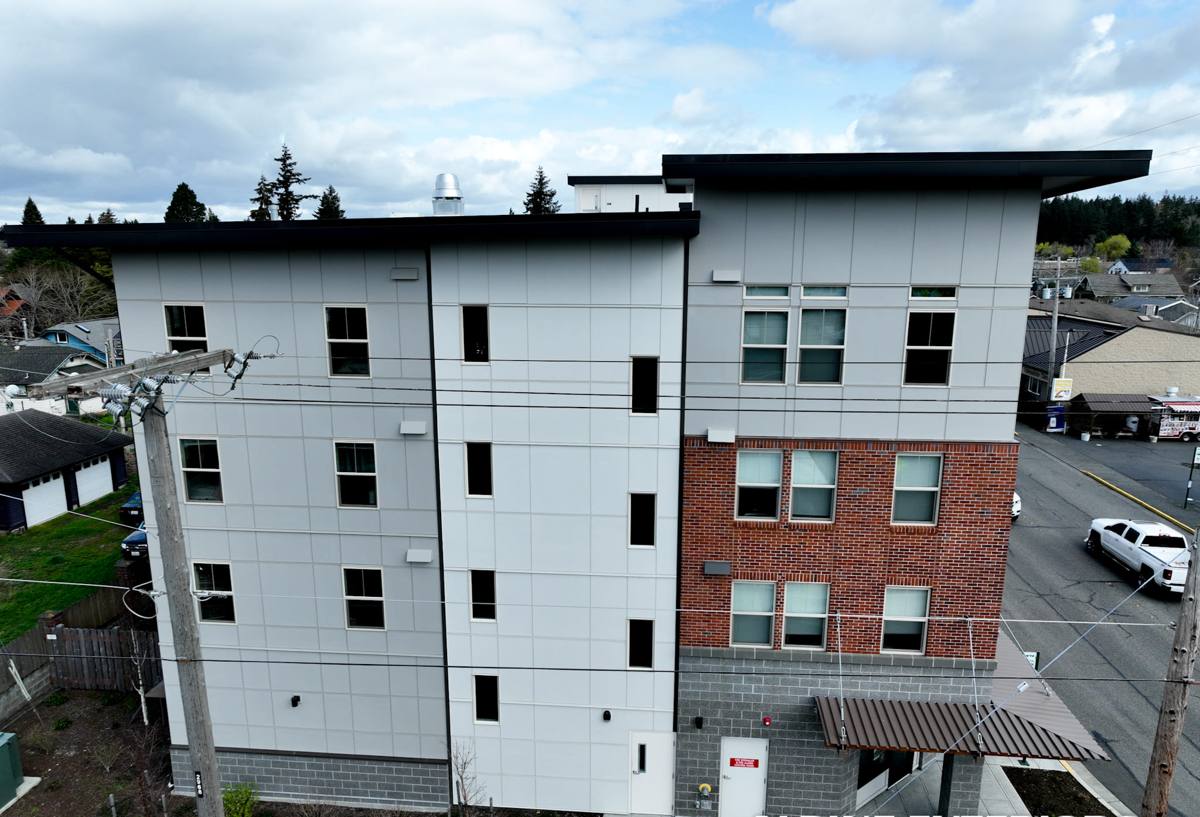
Signs Your Palm Harbor Home's Windows Are Due for Replacement
Windows rarely fail all at once. Usually there's a stretch of small warning signs before a window becomes a real problem — and catching them early means a simpler, less expensive repair path than waiting until there's interior damage.
- Fogging or a permanent haze between panes, which means the insulated glass seal has failed
- Windows that are hard to open, close, or lock, or that no longer sit flush in the frame
- Visible gaps around the frame, or daylight or outside air you can feel around the edges
- Soft, discolored, or bubbling drywall, trim, or paint near a window after heavy rain
- A musty smell near a window that doesn't go away, which often points to trapped moisture in the wall
- Chalky, pitted, or brittle exterior frames from years of UV exposure
- Noticeably higher cooling bills without a clear reason, which can mean poor seals or aging glass
- Rust staining on hardware, screws, or tracks — a common sign of salt air corrosion
Any one of these on its own might not mean full replacement is urgent. Several together, especially combined with the age of the home, usually mean it's time to have someone look at the whole window system rather than patch one symptom at a time.
What a Correct Window Replacement Actually Involves
Window replacement looks simple from the outside — old window out, new window in — but the parts that actually determine whether the job holds up in a storm happen where you can't see them once the trim goes back on.
Removal and Opening Inspection
Once the old window is out, the opening gets inspected before anything new goes in. This is the point where hidden problems — soft wood, old water staining, deteriorated flashing, or framing that's out of square — actually get found. Installing a new window over a compromised opening just buries the problem under new materials, so any framing or sheathing issues need to be addressed here, not skipped.
Flashing and Water Management
Flashing is what actually keeps wind-driven rain out of the wall — the window itself is only part of the water management system. Properly lapped flashing, done in the correct order at the sill, jambs, and head, directs water back outside instead of letting it track behind the siding or stucco. Given how much sideways rain Palm Harbor gets during storm season, this step matters more here than it would in a drier climate.
Fastening and Structural Attachment
Windows have to be fastened according to the manufacturer's tested installation instructions to actually deliver their rated wind performance. Using the wrong fastener spacing, the wrong fastener type, or attaching into weak substrate can quietly reduce a window's real-world wind resistance below what its rating promises — even if it looks fine going in.
Sealing, Trim, and Finish Work
The final seal — backer rod, sealant, and trim — is what stands between minor settling and a leak years down the road. Sealant has to be compatible with both the window frame material and the exterior finish, and applied in conditions where it can cure properly. Rushed or mismatched sealant is one of the more common causes of "new window, old leak" complaints we see.
Impact-Rated Glass and Florida Building Code
Most of coastal Pinellas County, including Palm Harbor, falls within a wind-borne debris region under the Florida Building Code, which means new and replacement windows generally need either impact-rated glass or code-compliant shutter protection for the opening. Impact windows use a laminated interlayer between glass panes that keeps the glass bonded to its frame even when the outer pane cracks from wind-borne debris — the goal is keeping the opening sealed during a storm, not just keeping the glass from shattering into the room.
Impact glass also carries a real day-to-day benefit beyond storm season: it blocks a significant share of UV transmission and cuts down road and neighborhood noise, which matters on a warm Pinellas County afternoon with the windows shut and the AC running. We'll walk through what your specific opening requires under current code before recommending a product, rather than assuming one standard package fits every home.
Choosing a Frame Material for Coastal Pinellas Conditions
Frame material affects how a window holds up to salt air and UV over the long run just as much as the glass package does. There's no single "correct" answer for every home — it depends on budget, the home's style, and how exposed the specific elevation is to prevailing wind and moisture.
| Frame Material | Coastal Durability | Maintenance | Typical Trade-Offs |
|---|---|---|---|
| Vinyl | Good when UV-stabilized; won't rust | Low — no painting needed | Can expand/contract with heat; quality varies widely by manufacturer |
| Aluminum | Strong but prone to corrosion unless properly coated | Moderate — watch for pitting near the coast | Thinner sightlines, but conducts heat and cold more than other materials |
| Fiberglass | Excellent — very stable in heat and salt air | Low | Higher upfront cost than vinyl |
| Wood-clad | Poor to fair in direct coastal exposure without diligent upkeep | High — cladding and seals need regular attention | Best appearance for some architectural styles; more long-term care |
For most Palm Harbor homes, we steer people toward vinyl or fiberglass in impact-rated configurations, simply because they hold up with the least maintenance in salt air and constant sun. Wood-clad windows aren't a bad product — they're just a higher-maintenance choice this close to the Gulf, and we say that plainly rather than talk anyone out of a look they want without explaining the trade-off.
What Affects the Cost of a Window Replacement Project
Window replacement pricing varies a lot by home, and anyone who quotes a firm number before seeing your windows is guessing. That said, the main variables are consistent from house to house:
| Factor | How It Affects Cost |
|---|---|
| Window size and quantity | Larger openings and whole-home projects cost more per window but often see better per-unit pricing than a single window |
| Impact rating | Impact-rated glass costs more upfront than standard glass plus shutters, but removes the need to install and store storm protection |
| Frame material | Fiberglass and higher-end vinyl cost more than builder-grade vinyl but generally last longer in this climate |
| Condition of the opening | Hidden wood rot or flashing repairs found during removal add labor beyond the base install |
| Access and second-story work | Upper-floor or hard-to-reach windows take more time and equipment than ground-floor replacements |
As a broad range, homeowners in this area are usually looking at somewhere in the low-to-mid four figures per window installed for a quality impact-rated product, with the total shifting based on the factors above. We'll give you an itemized number for your actual windows rather than a rough per-window average, since that's the only figure that's actually useful for budgeting.
Our Process, Start to Finish
- On-site assessment. We look at your existing windows, note the condition of each opening, and talk through what you actually want out of the replacement — energy performance, noise reduction, storm protection, or simply windows that work properly again.
- Product and glass selection. Based on your home's exposure and your budget, we go over frame material and glass package options and explain the trade-offs honestly, including what current code requires for your openings.
- Written estimate. You get a clear, itemized quote before any work is scheduled — no verbal ballparks that change once the crew shows up.
- Removal and opening inspection. Old windows come out, and we check the framing and sheathing underneath before anything new is installed.
- Installation. New windows are set, flashed, fastened per manufacturer specifications, and sealed.
- Finish and cleanup. Interior and exterior trim is finished, hardware is checked for smooth operation, and the job site is cleaned up before we consider it done.
- Final walkthrough. We go over every window with you before we call the project complete.
Why Hiring a Crew That Already Works in Palm Harbor Matters
Window replacement isn't identical everywhere in the country, and it isn't even identical everywhere in Florida. A crew that regularly works Palm Harbor and the broader Oldsmar area already knows which wind-borne debris and code requirements apply here, has already dealt with the older home construction common to this part of Pinellas County, and understands why cutting corners on flashing or fasteners is a bigger deal on the Gulf coast than it is somewhere without hurricane season. That's not a marketing point — it's the difference between a crew re-learning your climate on your house and a crew that already knows what it's dealing with.
It also matters for scheduling and accountability. A local crew is reachable if a question comes up after installation, and has a reputation in the community worth protecting — not a one-time job before moving to the next county.
Caring for New Windows After Installation
Even a correctly installed, well-chosen window benefits from basic upkeep in this climate. A little attention goes a long way toward getting the full lifespan out of the investment.
- Rinse frames and hardware periodically to clear salt residue, especially on homes closer to the water
- Check and re-lubricate locks and rollers if they start to feel stiff — often a sign salt or grit has gotten into the mechanism
- Inspect exterior caulk lines yearly for cracking or separation, particularly after a hard storm season
- Keep an eye on interior sills after heavy, wind-driven rain for any sign of moisture intrusion
- Avoid pressure-washing directly at seals and weep holes, which can force water where it doesn't belong
None of this is complicated, but skipping it is how a good installation slowly turns into an avoidable problem a few years down the road.
If your Palm Harbor home's windows are showing their age, letting in more weather than they should, or you're simply ready to stop worrying about the next storm season, we're happy to take a look and walk you through honest options. Use the form below to request a free, no-pressure estimate.