 Oldsmar Siding
 Palm Harbor's Climate Is Hard on Decks
Palm Harbor sits close enough to the Gulf that salt-laden air, wind-driven rain, and long stretches of intense UV exposure are just part of owning a home here. A deck built without those conditions in mind will show it early — usually within a few years, not a few decades. Fasteners corrode faster near the coast, framing lumber that isn't properly treated or flashed starts to soften from repeated wetting, and unprotected wood surfaces gray, crack, and splinter under Florida's sun long before they'd fail in a milder climate.
Add in hurricane-season wind loads and the occasional direct storm hit, and it becomes clear why a deck in this part of Pinellas County needs to be engineered and built differently than a deck in a drier, cooler part of the country. A deck replacement here isn't just about swapping old boards for new ones — it's about correcting whatever let the last one fail and building the next one to actually hold up.
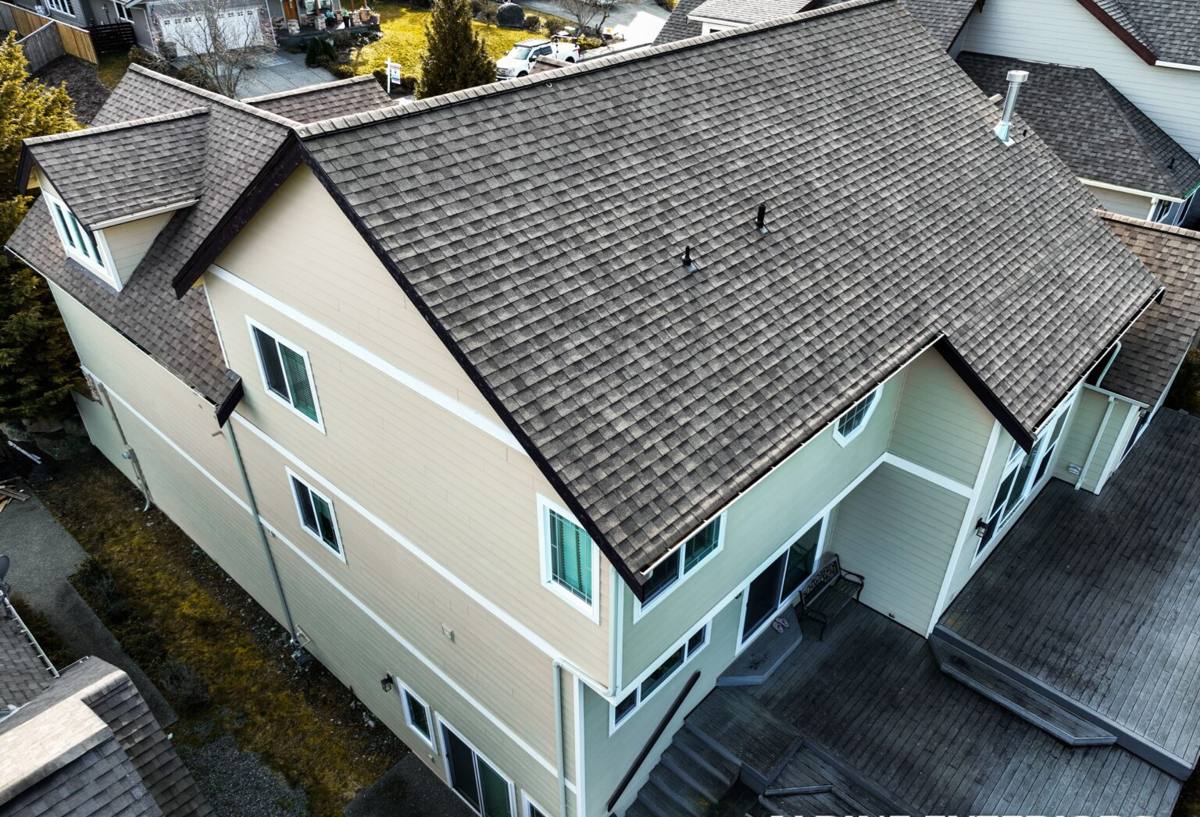
How to Tell a Deck Needs Replacing, Not Just Repair
Not every tired-looking deck needs a full teardown. But there's a point where patching individual boards or re-staining stops being a real fix and just delays a bigger problem. Some signs point clearly toward replacement:
- Soft, spongy, or crumbling wood at the ledger board (where the deck attaches to the house) — often a sign of long-term moisture intrusion
- Support posts or joists with visible rot, insect damage, or checking (deep cracking) at connection points
- Railings or stair stringers that flex or feel loose under normal weight
- Rust streaking around fasteners, or fasteners that have backed out or corroded through
- A structure that was never properly permitted or was undersized for its original use
- Repeated localized repairs that keep reappearing in the same spots
If the framing and ledger connection are sound and it's really just the decking surface that's worn out, a resurfacing project can make sense. But once the structure itself is in question, replacement is almost always the safer and more cost-effective route — you're not paying to keep patching something that's still going to need full replacement in a year or two anyway.
What a Correct Deck Replacement Actually Involves
A deck replacement done right starts below the surface, not with the decking boards themselves. The parts homeowners rarely see are the parts that determine whether the deck lasts.
Ledger Attachment and Flashing
The ledger board — where the deck ties into the house — is the single most common failure point on decks in humid climates. It has to be properly flashed to keep water from tracking behind it and into the house structure, and it has to be fastened with lag screws or through-bolts rated for the load, not just nailed on. Wind-driven rain, common in this region during storm season, will find any gap in that flashing over time.
Footings and Framing
Footings need to be sized and set to local frost and load requirements (frost depth isn't the driver here, but wind uplift and soil-bearing capacity are), and framing lumber needs to be properly rated pressure-treated stock, not standard construction lumber. Joist hangers, post bases, and other structural hardware should be corrosion-resistant — stainless or heavy hot-dip galvanized — given the salt air this area sees.
Fastening and Hardware
Every fastener that goes into a coastal-exposed deck matters. Standard zinc-coated screws and nails corrode faster here than inland, and once a fastener starts failing, it takes the structural integrity of that connection with it. We spec hardware rated for coastal or treated-lumber exposure throughout, not just on the parts that show.
Railings and Code Compliance
Railing height, baluster spacing, and stair rise/run all fall under Florida Building Code requirements, and inspectors in Pinellas County check them. A deck that was built years ago under older rules may need updated railing spacing or guard heights to pass inspection on a rebuild — that gets addressed as part of the replacement, not left as a surprise.
Choosing Materials for a Palm Harbor Deck
There's no single right material for every deck — it comes down to how much maintenance you want to take on, your budget, and how the deck gets used. Here's how the common options actually compare under local conditions:
| Material | Upfront Cost | Maintenance | How It Handles Local Climate |
|---|---|---|---|
| Pressure-treated pine | Lowest | Annual sealing/staining recommended | Performs well if sealed regularly; UV and humidity cause graying and checking if neglected |
| Composite decking | Moderate to high | Occasional washing, no sealing/staining | Resists rot and UV fading well; quality varies by product line, so we're selective about brands |
| PVC/cellular decking | Highest | Lowest — washing only | Best moisture resistance of the group, holds color well in intense sun |
| Tropical hardwoods | High | Periodic oiling to maintain appearance | Naturally dense and durable, but needs consistent maintenance to look its best long-term |
We'll talk through these trade-offs honestly during the estimate — including what a given product's warranty actually covers, since that varies a lot between composite and PVC manufacturers and matters more than the marketing on the box.
How the Replacement Process Works
We keep the process straightforward, because a deck project shouldn't be a mystery to the homeowner paying for it.
- On-site assessment: We inspect the existing structure, ledger connection, footings, and framing to determine what's actually salvageable versus what has to go — most of the time on a true "replacement," that's everything down to the footings.
- Design and material selection: We talk through size, layout, railing style, and material options based on budget and how you actually use the space.
- Permitting: We handle the permit application and drawings required by the local jurisdiction before any demo work starts.
- Demolition and disposal: The old deck comes out, including framing and footings that aren't being reused, and debris is hauled off-site.
- Framing and structural work: New footings, posts, ledger, and joists go in to current code, sized for the deck's actual load.
- Decking, railing, and finish work: Surface material and railings are installed, and any stairs are built to code.
- Final inspection: The completed deck is inspected by the local building department before the job is considered closed out.
Permits and Inspections in Pinellas County
Deck replacements in this area require a permit in nearly every case, and skipping that step creates real problems down the line — unpermitted structural work can complicate a home sale, cause issues with insurance claims, and in some cases require the deck to be torn out and rebuilt to code before a permit can be closed after the fact. We pull permits as a standard part of every deck replacement and schedule the required inspections, so there's no gap in the paper trail if you ever sell the house or need to file a claim after a storm.
Why Hiring a Crew That Already Works Palm Harbor Matters
A deck built to a generic national spec sheet isn't the same as one built by a crew that already knows what this specific stretch of Pinellas County coastline does to lumber, fasteners, and finishes. Knowing which hardware actually holds up near the water, how local building officials expect flashing and ledger details to look, and what wind and rain loads to design for isn't something you get from a manual — it comes from doing the work here repeatedly. That local experience shows up in fewer callbacks, fewer surprises during inspection, and a deck that's actually built for the conditions it has to survive, not just the conditions on a spec sheet written somewhere else.
Keeping Your New Deck in Good Shape
Even the right materials and correct installation still benefit from basic upkeep. A little routine attention goes a long way toward getting the full lifespan out of the investment:
- Rinse off salt residue, pollen, and debris every few months, especially after storms
- Check railings and stair connections periodically for looseness
- Keep gutters and downspouts directing water away from the deck area, not onto it
- Re-seal or re-stain wood decking on the schedule the product calls for — don't wait until it looks bad
- Trim back landscaping that's trapping moisture against the structure
- Address any soft spots, popped fasteners, or discoloration right away rather than waiting
If something does come up between scheduled maintenance, catching it early is almost always cheaper and simpler than waiting.
Get a Straightforward Estimate
If your deck in Palm Harbor is showing its age, or you're just not sure whether it needs repair or full replacement, we're happy to take a look and give you an honest read on where it stands. Reach out for a free, no-pressure estimate using the form below.