 Oldsmar Siding
 Roofing in Westchase Has to Answer to Florida Weather, Not Just Age
A roof in Westchase doesn't fail because a homeowner ignored it. It fails because Pinellas County weather works on it every single day. Hurricane-force winds test every nail and fastener pattern. Intense, near-constant UV bakes shingle mat and asphalt oils until they turn brittle years before the warranty says they should. Wind-driven rain finds any gap in flashing or underlayment and pushes water sideways, uphill, and under laps that would stop a garden hose. Add the salt air drifting in off the Gulf and Tampa Bay, and metal fasteners, drip edge, and flashing corrode faster than they would fifty miles inland. None of this is unique to one street or subdivision — it's the baseline every roof near Oldsmar has to survive, and it's why a new roof installation here needs to be built differently than one going on a house in a mild climate.
For homeowners in Westchase, that means the conversation about a new roof isn't just "what color and how much." It's about deck condition, fastening schedule, underlayment type, ventilation, and flashing detail — the parts that don't show up in a drive-by look but decide whether the roof is still doing its job in fifteen years.
What "New Roof Installation" Actually Means
A proper new roof installation is a full system replacement, not a fresh layer on top of the old one. That distinction matters more here than in calmer climates, because a second layer over old, wind-worn material traps heat, hides deck damage, and voids most manufacturer wind warranties outright. A correct installation includes:
- Complete tear-off down to the roof deck, with the old material hauled off — not left as a hidden second layer
- Deck inspection and repair, replacing any plywood or board sheathing that's soft, delaminated, or water-stained
- A code-compliant fastening schedule for the deck itself, since older homes were often built to a lighter nailing pattern than current wind standards call for
- New underlayment rated for wind-driven rain, not just standard felt
- Properly detailed flashing at every valley, wall, chimney, and penetration
- Balanced intake and exhaust ventilation, sized to the attic, not just "however the last roof had it"
- New shingles, tile, or metal panels installed to the manufacturer's high-wind specification
Skip any one of these steps and the finished roof can look identical to a correctly built one — right up until the first serious wind event or the first slow leak that's been running behind a wall for two years.
Materials: What Holds Up Near Oldsmar and What We Recommend
There's no single "best" roofing material for every Westchase home — it depends on the roof's pitch, the home's structure, the budget, and how long the owner plans to stay in the house. What matters is matching the material and installation detail to Gulf Coast conditions, not just picking whatever's cheapest per square.
| Material | Wind & UV Performance | Typical Lifespan Here | Notes for This Climate |
|---|---|---|---|
| Architectural (laminate) shingles | Good, especially with high-wind-rated lines and correct nailing | 18-25 years | Most common choice; look for a wind rating suited to hurricane exposure, not a builder-grade minimum |
| 3-tab shingles | Lower wind resistance, less UV-resistant mat | 12-18 years | We generally don't recommend these for this area given the wind exposure — the cost savings up front is often outweighed by earlier failure |
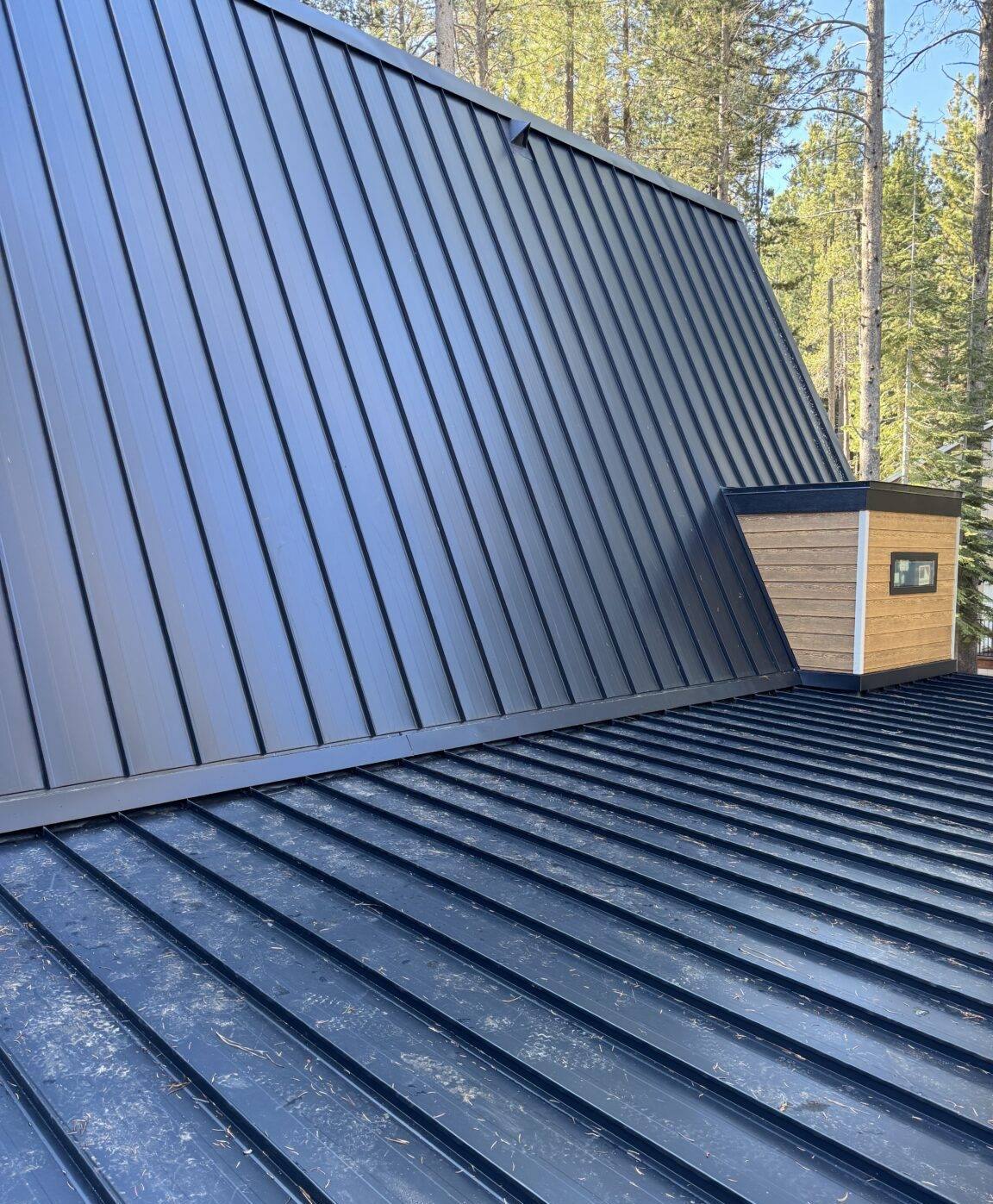
| Standing seam metal | Excellent wind uplift resistance when properly fastened | 40-50+ years | Higher upfront cost; handles UV and salt air well with the right coating and fasteners |
| Concrete or clay tile | Very good wind performance when the underlayment and fastening are correct | 30-50 years | Underlayment failure, not tile breakage, is the usual cause of leaks in older tile roofs |
Whatever material a homeowner chooses, we install to the manufacturer's high-wind specification as a matter of standard practice — not as an upgrade option. That means the correct nail count, nail placement, and starter course detail every time, because a shingle that's rated for high wind only performs that way if it's installed that way.
Wind Ratings, Permits, and Insurance — What Actually Changes the Outcome
Florida's building code treats roofing differently than most of the country, and Pinellas County enforces it closely. A new roof installation requires a permit, and the finished work gets inspected against current wind-uplift and fastening requirements — not the lighter code the original roof may have been built under decades ago. This isn't paperwork for its own sake. The fastening schedule and underlayment type on file are exactly what determines whether the roof survives the next major wind event.
There's also a practical financial side. Florida insurers use a wind mitigation inspection to set windstorm premiums, and a new roof installed to current code — with the right roof-to-wall connections, secondary water barrier, and opening protection documented — can meaningfully lower that premium. We pull permits, coordinate inspections, and provide the paperwork a homeowner or their insurance agent needs afterward. A roof installed off the books, or by a crew unfamiliar with local wind mitigation documentation, can cost a homeowner that discount for years.
Our Installation Process
The steps are the same on every job because skipping one is how leaks and premature failures happen. Here's what a Westchase-area new roof installation looks like with us, start to finish:
- On-site inspection and honest assessment — including whether a repair could realistically buy more time before full replacement makes sense
- Written estimate covering material, labor, permit, disposal, and any deck repair allowance
- Permit pulled with Pinellas County before any work begins
- Full tear-off and deck inspection, with photos of any damage found before repair
- Deck repair and re-nailing to current code where needed
- Underlayment, flashing, and ventilation installed to spec
- Final roofing material installed to the manufacturer's high-wind fastening pattern
- Site cleanup, including a magnetic nail sweep of the yard and driveway
- Final inspection and wind mitigation paperwork provided for insurance purposes
Signs a Westchase Roof May Be Due for Replacement
Roofs rarely fail all at once — the warning signs usually show up months or years before a full leak does. Worth checking for:
- Granules collecting in gutters or at downspout outlets
- Shingles that look curled, cupped, or have lifted edges after wind events
- Dark streaking or soft, discolored patches on the roof surface
- Daylight visible through the attic decking, or a musty smell in the attic
- Rising energy bills that track with visible sun damage on the roof
- A roof that's 18+ years old and has never had a full tear-off replacement
- Missing or exposed fasteners around vents, flashing, or ridge caps after a storm
Any one of these is worth a look before it turns into interior damage. None of them mean the roof needs replacing tomorrow — but they're the difference between planning a project on your own timeline and dealing with an emergency tarp after the next storm.
Cost Factors for a New Roof in This Area
Every roof is different, so we won't quote a number without seeing the house — but these are the factors that move the price up or down on most Westchase-area projects:
| Factor | Why It Matters Here |
|---|---|
| Roof size and number of facets | More valleys, hips, and penetrations mean more flashing labor and material waste |
| Deck condition | Rot or delamination found during tear-off adds material and labor to bring the deck to code |
| Material choice | Architectural shingle, metal, and tile carry very different material and labor costs |
| Wind rating and fastening spec | High-wind-rated systems can cost more in fasteners and labor time, but they're what the climate here requires |
| Access and pitch | Steep or hard-to-access roofs take longer and require more safety setup |
| Permit and inspection requirements | Pinellas County permitting and wind mitigation documentation add administrative time, not just a fee |
Why It Matters That We Already Work in Westchase
A roofing crew that already works in and around Westchase isn't guessing at what the county inspector will flag or what wind-uplift documentation an insurer will actually accept — they've done it enough times to know. That familiarity shows up in small but real ways: knowing which deck conditions are common in this area's housing stock, knowing how to sequence a tear-off around Florida's afternoon storm pattern so a roof isn't left exposed overnight, and having the relationships with suppliers and inspectors to keep a project moving instead of stalling on a scheduling gap. A crew with no local track record can still do competent work, but a crew that already knows this area removes a lot of the guesswork — and the surprises — from the project.
After Installation: Keeping a New Roof Performing
A correctly installed roof still needs basic upkeep in this climate. Keep gutters clear so wind-driven rain has somewhere to go. Have the roof looked at after any major storm, even if nothing looks obviously wrong from the ground — wind can lift a shingle edge or work a fastener loose without an obvious sign at street level. Keep an eye on attic ventilation, since blocked soffit vents undo a lot of the benefit of a properly ventilated system. And keep the paperwork from the installation — permit, wind mitigation report, and warranty — somewhere accessible, since insurers and future buyers will ask for it.
If you're weighing a repair against a full replacement, or just want an honest look at where your roof actually stands, we're happy to come out and take a look. The estimate is free, there's no pressure, and you'll get a straight answer either way — just fill out the form below.