 Oldsmar Siding
 Why Dunedin Roofs Wear Out Faster Than the Manufacturer's Warranty Suggests
Dunedin sits close enough to the Gulf that salt-laden air is a daily fact of life, not an occasional nuisance. Combine that with Pinellas County's intense, near year-round UV exposure and the wind-driven rain that comes with every summer storm and named system, and you have a climate that ages roofing materials well ahead of their rated lifespan. A shingle roof engineered and tested in a milder climate simply doesn't see the same stress here.
Three forces do most of the damage locally: ultraviolet light breaks down asphalt oils and cooks sealant strips brittle; salt air corrodes exposed fasteners, flashing, and vent stacks faster than it would a few miles inland; and hurricane-force gusts test every nail, seam, and edge detail a roof has. A new roof installed for Dunedin needs to be built with all three in mind from the decking up, not just have the right shingle color on top.
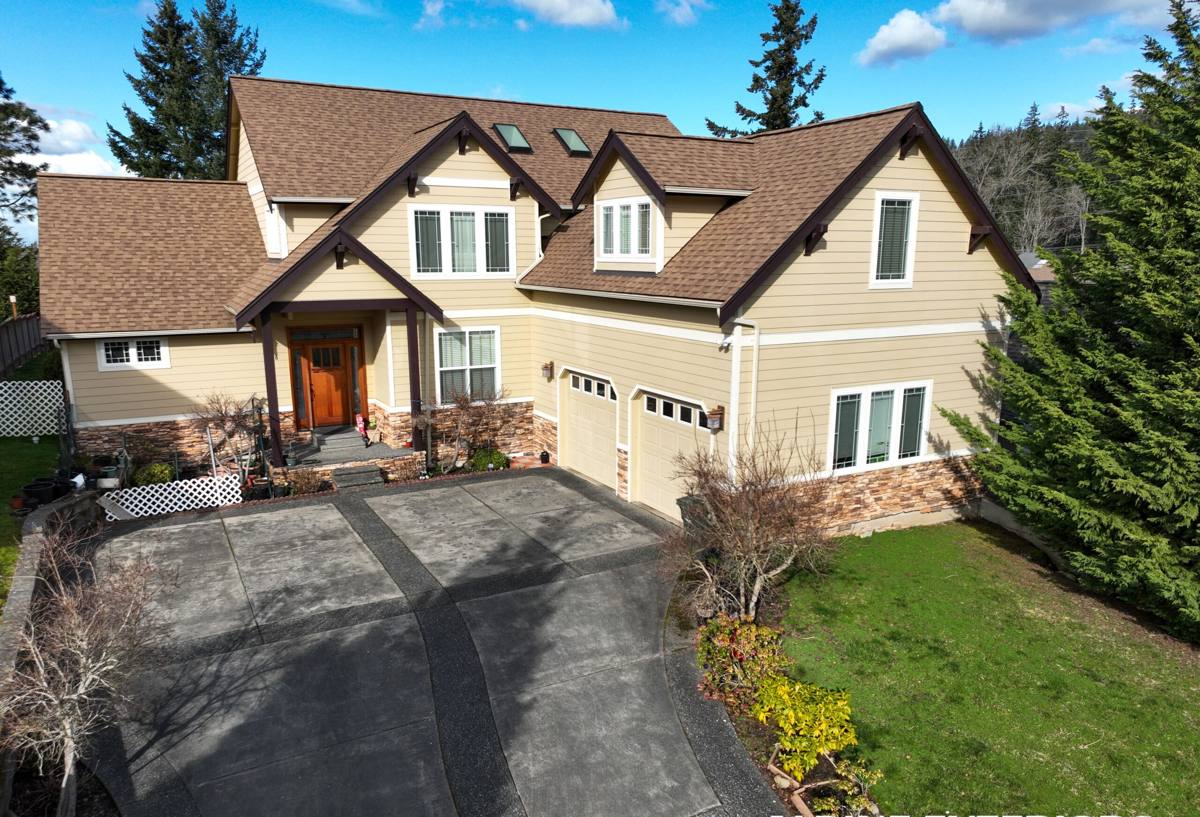
Signs a Dunedin Home Needs a New Roof, Not Another Repair
Homeowners often ask us to patch a problem that's really a sign the whole system is done. A few honest markers we look for before recommending full replacement:
- Granule loss heavy enough that you're finding grit in gutters and downspouts regularly
- Shingles that are cupping, curling, or cracking across large sections rather than one isolated spot
- Soft or spongy decking felt underfoot during inspection — usually a sign of long-term moisture intrusion
- Multiple past repairs in different areas, which usually means the underlayment has aged out
- Visible daylight through the attic deck, or staining on attic wood from wind-driven rain intrusion
- A roof approaching or past 18-20 years old in this climate, even if it "looks fine" from the ground
If a roof is showing one or two of these in isolation, a repair can often buy time. When several show up together, patching becomes a cycle of spending money on a system that's already lost its structural margin against wind and water.
What a Correct New Roof Installation Actually Involves
It starts below the shingle, not with it
The visible roofing material gets all the attention, but the components underneath it do most of the work protecting the home. A correct installation for this climate includes:
- Full tear-off to the deck on a replacement — never a layover, which traps moisture and hides deck damage
- Deck inspection and replacement of any rotted, delaminated, or soft plywood before anything goes back down
- Self-adhering underlayment at eaves, valleys, and penetrations for wind-driven rain protection
- Synthetic or felt underlayment across the field, installed per manufacturer spec for the wind zone
- Corrosion-resistant flashing at every wall, chimney, skylight, and roof-to-wall transition
- Proper nailing pattern and fastener count matched to the local wind-load requirement, not the manufacturer's minimum
- Balanced intake and exhaust ventilation so the attic isn't cooking the new roof from underneath
Why the underlayment and flashing matter as much as the shingle
Most roof failures we see after a storm aren't shingles blowing off cleanly — they're water finding its way in through a flashing detail or a seam that was never properly sealed to begin with. A premium shingle over rushed flashing work is still a roof that will leak in the first serious wind-driven rain event. We treat the underlayment and flashing package as the actual waterproofing system, with the shingle as the wear layer on top of it.
Roofing Materials: What Holds Up in This Climate
| Material | Typical Lifespan Here | Wind/Storm Performance | Trade-offs |
|---|---|---|---|
| Architectural (laminate) shingles | 18-25 years | Good, especially with high-wind nailing pattern and rated products | Best balance of cost and performance for most Dunedin homes |
| 3-tab shingles | 12-18 years | Lower wind rating, edges more prone to lifting | Lower upfront cost, shorter service life in coastal wind |
| Standing seam metal | 40-50+ years | Excellent wind uplift resistance when properly fastened | Higher upfront cost; needs an installer experienced with metal detailing |
| Tile (concrete or clay) | 30-50 years | Very good on the tile itself; failure point is usually the underlayment beneath it | Heavier structural load; underlayment replacement needed on schedule even if tiles look fine |
We don't push one material as universally "best." The right call depends on the home's structure, the budget, and how long the owner plans to stay in the house. What we won't do is install a lower-tier product with corners cut on fastening or flashing just to hit a price point — that trade-off shows up as a claim or a leak within a few storm seasons, not decades down the road.
How Our Process Works, Start to Finish
- On-site inspection. We look at the deck, ventilation, flashing points, and current material condition, and we're honest about whether it's a repair or a replacement.
- Written estimate. Material options, scope, and price laid out clearly, with no pressure to decide on the spot.
- Permitting. We pull the required permit through the local building department before work begins — this isn't optional and it protects the homeowner as much as it protects us.
- Tear-off and deck inspection. Old material comes off completely; any damaged decking is identified and replaced before the new system goes down.
- Underlayment and flashing. The waterproofing layer goes in first, with extra attention at valleys, penetrations, and wall transitions.
- New roofing material installation. Installed to manufacturer spec and the wind-load fastening requirement for the area.
- Final inspection and cleanup. We walk the job, arrange the required inspection, and do a magnetic sweep and site cleanup before we consider it done.
Permits, Codes, and Wind Mitigation in Pinellas County
New roof installations in Pinellas County are permitted work — that requirement exists because roofing directly affects a home's ability to withstand hurricane-force wind and wind-driven rain, and inspectors are checking for exactly the fastening, flashing, and underlayment details described above. Skipping the permit, or hiring a crew that skips it, leaves the homeowner without documentation that the roof was installed to code — which can become a real problem at claim time or resale.
A properly permitted, code-compliant new roof can also qualify for a wind mitigation inspection afterward, which insurers use to calculate premium discounts. We build to the code requirement as the baseline, not as an upgrade option, because in this climate it's the difference between a roof that performs in a storm and one that doesn't.
What Drives the Cost of a New Roof
| Factor | Why It Matters |
|---|---|
| Roof size and pitch | More square footage and steeper pitches mean more material and labor time |
| Deck condition | Rotted or delaminated decking found during tear-off adds material and labor to replace it properly |
| Material choice | Architectural shingle, metal, and tile carry very different material and labor costs |
| Number of penetrations and valleys | Chimneys, skylights, and complex valleys each add flashing labor |
| Ventilation upgrades | Adding or correcting attic ventilation adds cost but extends the life of the new roof |
| Permit and inspection fees | Set by the local jurisdiction, not the contractor |
We'd rather walk a homeowner through these factors honestly during the estimate than quote a number that doesn't hold up once tear-off reveals the real condition of the deck. Broad ranges depend heavily on the factors above, which is why we inspect before we quote rather than pricing over the phone.
What to Check Before Hiring Any Roofing Crew in This Area
- Active Florida roofing license and general liability plus workers' comp insurance
- Willingness to pull the permit themselves rather than asking the homeowner to
- A written estimate that specifies underlayment type, flashing approach, and fastening pattern — not just "shingles installed"
- Local references or a track record of jobs actually completed in this area, not just a mailing address nearby
- A clear tear-off and deck-inspection process rather than a quote that assumes the deck is fine sight unseen
- A straight answer about manufacturer warranty terms and what voids them
A crew that already works in Dunedin and the surrounding Pinellas County communities knows the wind zone requirements, the permitting process with the local building department, and the specific ways salt air and storm exposure show up in roofs here. That's not a marketing point — it's the difference between a roof that's built for this climate and one that's built for wherever the crew usually works.
After the Install: Keeping a New Roof Performing
A correctly installed roof still needs basic upkeep to hit its full service life in this climate. Keep gutters and valleys clear so water isn't sitting against the roofline, trim back overhanging branches that drop debris and hold moisture, and have the roof looked at after any major storm even if nothing looks obviously wrong from the ground — wind-driven rain can find a small flashing issue long before it becomes a visible leak inside. A quick post-storm check is far cheaper than discovering a slow leak months later.
If your Dunedin home's roof is showing its age, or you just want a straight answer on repair versus replacement, we're happy to take a look and put together a free, no-pressure estimate — no obligation, just an honest assessment you can use the form below to request.