 Oldsmar Siding
 East Lake sits inland enough from the Gulf to avoid the worst of direct salt spray, but close enough to Tampa Bay and the Gulf coast that homes here still take on salt-laden air, tropical humidity, and the full force of Pinellas County's hurricane season. Metal roofing has become the go-to upgrade for homeowners in this area who are tired of replacing shingles every 15-20 years or patching storm damage after every named system that brushes the coast. Done correctly, a metal roof on an East Lake home can outlast two or three shingle roofs and shrug off wind loads that would strip granules and lift tabs on a standard asphalt system. Done poorly — wrong fastener spec, wrong underlayment, panels not rated for the wind exposure here — it can fail faster and more expensively than the roof it replaced. This page covers what East Lake homes specifically need from a metal roof, what correct installation involves, and how our process works from first visit to final walk-through.
Why East Lake's Climate Is Hard on Roofs
A handful of conditions define what a roof has to survive here, and they don't take turns — they overlap for most of the year.
Hurricane-Force Wind
Pinellas County sits in a wind-borne debris region, and East Lake homes are built and permitted to reflect that. A roof here has to hold up under sustained high wind and gusts that can exceed 100 mph during a significant storm, not just the light gusts of an average thunderstorm. Uplift at the edges, ridges, and corners of a roof is where most wind failures start, which means fastening pattern and edge detail matter as much as the roofing material itself.
Intense, Year-Round UV
Florida sun doesn't take a season off. Roofing materials here take direct UV exposure essentially every day of the year, which accelerates the breakdown of asphalt shingles, degrades cheap sealants, and can fade or chalk lower-quality coatings on metal panels over time. A roofing system without UV-stable finishes and coatings is going to show its age faster in Oldsmar than it would in a milder climate.
Wind-Driven Rain
Tropical systems and summer storms rarely drop rain straight down here — it comes in sideways, driven by the same wind that's stressing the roof structure. That kind of rain finds its way into laps, seams, and fastener penetrations that would stay dry in a calm rain event. A roof built to a bare minimum-code standard for this exposure is more likely to leak at valleys, ridge caps, and penetrations than one detailed for wind-driven conditions from the start.
Salt Air
East Lake isn't beachfront, but Pinellas County as a whole sits in a coastal air corridor, and airborne salt still reaches homes well inland of the immediate shoreline. Salt exposure accelerates corrosion on fasteners, flashing, and any exposed metal hardware. A fastener or panel finish that isn't rated for a coastal-adjacent environment can start showing rust and pitting years before it should.
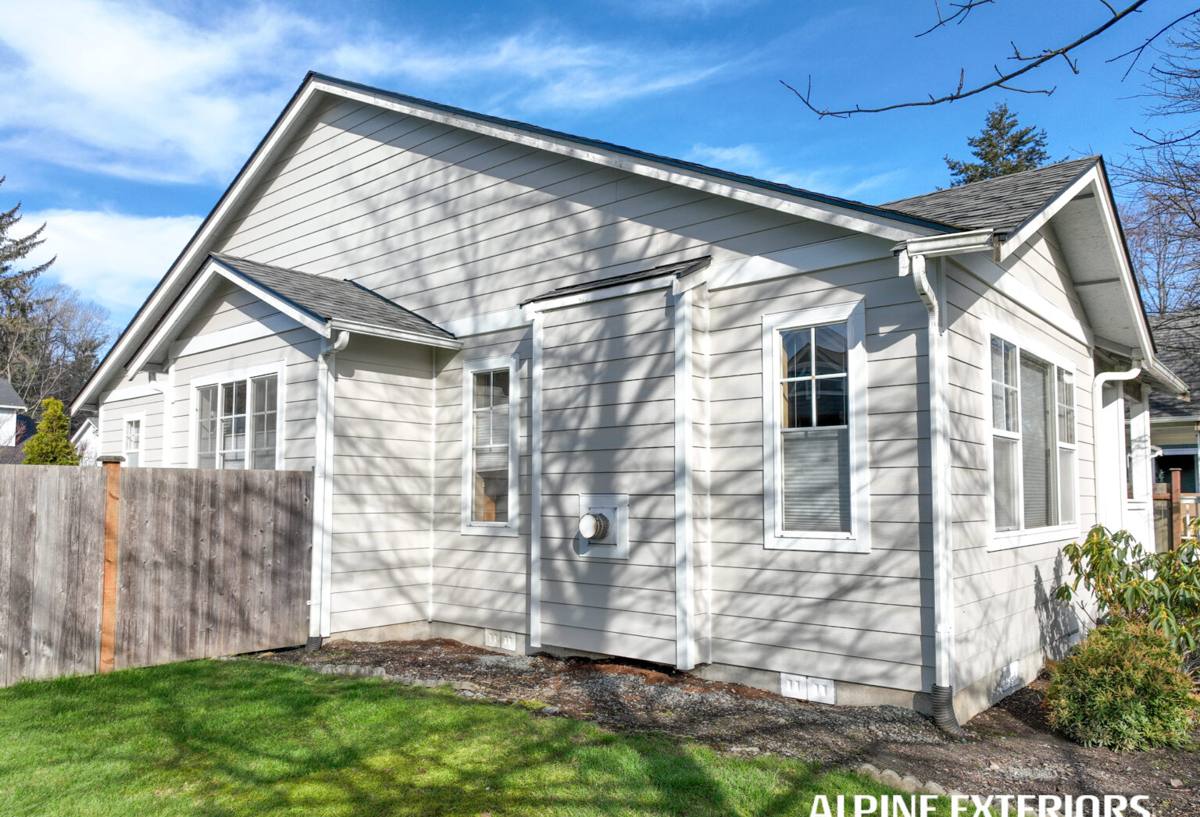
Why Metal Roofing Fits East Lake Homes
Metal roofing isn't the right fit for every homeowner or every budget, but for this climate specifically, it addresses several problems at once that shingle roofing has to work harder to solve.
- Standing seam and most quality metal panel systems carry high wind uplift ratings when installed to spec, which matters directly under Florida Building Code wind requirements for this region
- Metal sheds wind-driven rain more aggressively than a lapped shingle surface, especially at steep pitches
- A correctly coated metal panel resists UV degradation far longer than asphalt, which loses granules and stiffens under sun exposure over time
- Metal roofs often qualify for wind mitigation credits on Florida homeowners insurance, which can offset part of the cost difference over the life of the roof
- Reflective coatings reduce attic heat gain, a real factor in a climate where cooling costs run high most of the year
- A well-installed metal roof commonly carries a 40-50+ year service life, compared to 20-30 years for architectural shingles in this climate
None of that happens automatically just because the material is metal. The panel gauge, coating quality, fastener spec, and installation detail all have to be right for the roof to actually deliver those advantages here.
Comparing Roofing Options for This Climate
This is a general comparison — actual performance depends heavily on installation quality, not just the material chosen.
| Material | Wind Performance | Salt Air & UV Resistance | Typical Service Life Here |
|---|---|---|---|
| Standing seam metal | Excellent when installed to manufacturer spec with proper clip and fastener pattern | Excellent with coastal-rated finish and fasteners | 40-50+ years |
| Metal shingle/tile-profile panels | Very good; concealed-fastener systems perform best in high wind | Good to excellent depending on coating | 35-50 years |
| Architectural asphalt shingle | Adequate with high-wind-rated shingles and proper nailing pattern; vulnerable at edges over time | Moderate; granule loss accelerates under constant UV | 15-25 years in this climate |
| Tile (clay or concrete) | Good when properly fastened, but individual tiles can dislodge in extreme wind | Good; not salt-sensitive, but underlayment failure is a common long-term issue | 30-50 years for tile, though underlayment often needs replacement sooner |
We'll go over which panel profile, gauge, and finish fits a given roof's pitch, HOA requirements if applicable, and budget during the estimate. East Lake has a mix of home styles and roof pitches, and the right system for a low-slope ranch isn't always the right system for a steeper two-story.
What a Correct Metal Roof Installation Involves
The panels are the most visible part of the job, but they're not what determines whether the roof survives the next major storm. Most failures on metal roofs trace back to what's underneath or around the panels, not the panels themselves.
Deck Inspection and Prep
Before any panel goes down, the existing deck gets inspected for soft spots, rot, or damage from prior leaks. Metal roofing puts real demands on a sound deck, and installing over a compromised one just guarantees problems down the line that are far more expensive to fix once panels are in place.
Underlayment
Given the wind-driven rain here, we don't treat underlayment as a formality. A high-temperature synthetic underlayment, with self-adhered membrane at eaves, valleys, and penetrations, gives the roof a real second line of defense if wind ever drives rain past the panel seams.
Fastening and Clip System
This is where wind performance actually gets decided. Concealed-fastener standing seam systems use floating clips that let the panel expand and contract with heat without compromising the fastening point — critical in Florida's temperature swings between a summer roof surface and a winter night. Exposed-fastener systems need the correct screw type, spacing, and torque, since an overdriven or underdriven screw is a common source of leaks and blow-off in high wind.
Flashing and Penetrations
Ridge caps, valleys, and any roof penetration (vents, stacks, skylights) are where most roof leaks actually originate, metal or otherwise. We use corrosion-resistant flashing suited to this climate's air quality and integrate it properly with the underlayment rather than relying on sealant alone.
Ventilation
Proper intake and exhaust ventilation keeps the roof deck and attic space from trapping heat and moisture, both of which matter in a climate where attic temperatures can climb well past what the living space feels. Good ventilation also protects the underside of the roof deck from condensation-driven damage over time.
Our Installation Process
- On-site assessment. We inspect the existing roof, deck condition, pitch, and ventilation, and take accurate measurements for the estimate.
- Panel and finish selection. We go over profile, gauge, and coating options that fit the home's exposure, style, and budget, with honest trade-offs for each.
- Permitting. We handle the required Pinellas County building permit and any wind mitigation documentation for insurance purposes.
- Tear-off and deck repair. Old roofing comes off, the deck is inspected, and any damaged sheathing is replaced before new material goes down.
- Underlayment installation. The moisture barrier goes in first, since this layer determines whether the roof stays dry regardless of what happens at the panel surface.
- Panel installation. Panels are installed to manufacturer specification with the correct clip or fastener pattern for the wind exposure and pitch of the specific roof.
- Flashing and trim. Ridge caps, valleys, and penetration flashing are installed and integrated with the underlayment.
- Final walk-through. We review the completed roof with the homeowner, confirm ventilation is functioning, and go over warranty and maintenance details.
Cost Factors for an East Lake Metal Roof
Metal roofing costs more up front than asphalt shingles, but the gap narrows over the life of the roof once you factor in replacement cycles and, often, insurance credits. These are the main variables that move a metal roof estimate up or down — we don't quote a figure without seeing the roof in person.
| Factor | Why It Matters Here |
|---|---|
| Panel type and gauge | Concealed-fastener standing seam costs more than exposed-fastener panel systems but generally performs better in wind |
| Roof size and complexity | More valleys, hips, and penetrations mean more flashing detail and cutting |
| Pitch and access | Steep or hard-to-access roofs take longer and require more safety setup |
| Deck condition | Rot or soft sheathing found during tear-off adds repair cost not visible before the old roof comes off |
| Coating and finish | Higher-grade coatings resist UV fading and coastal-air corrosion longer, which matters over a 40-50 year service life |
| Insurance and permitting | Wind mitigation documentation can offset part of the cost through premium credits, though it doesn't reduce the installed price itself |
Why Local Experience with East Lake Homes Matters
A metal roof installed to a generic national spec isn't the same as one installed for Pinellas County's actual wind zone and permitting requirements. Local experience means knowing what the Florida Building Code's high-velocity and wind-borne debris provisions actually require for this area, not guessing at it, and knowing which fastener and coating specs hold up against the salt-laden air moving in off Tampa Bay rather than corroding within a few years. It also means being familiar with the county permitting process so a job doesn't stall waiting on paperwork a crew unfamiliar with local requirements didn't anticipate. A contractor who works in East Lake regularly has already seen how different roof styles in the area perform after a real hurricane season, not just in a manufacturer's spec sheet.
Maintaining a Metal Roof in This Climate
Metal roofing needs less upkeep than shingles, but "less" isn't "none." A few habits keep it performing the way it should for its full service life:
- Have panels and flashing points inspected after any major storm, even if no leak is visible from inside
- Keep gutters and valleys clear of debris so water isn't pooling or backing up against panel edges
- Rinse off salt film and accumulated grime periodically, especially on homes closer to the water
- Watch for any sign of coating chalking or fading and address it before it becomes a corrosion issue
- Confirm attic ventilation stays unobstructed, since blocked vents undercut the roof's ability to shed heat and moisture
If you're weighing metal roofing for your East Lake home or want an honest read on whether your current roof needs attention before the next storm season, we're glad to take a look. Reach out for a free, no-pressure estimate using the form below.