 Oldsmar Siding
 Board & Batten Siding in Lutz: Built for a Specific Look and a Demanding Climate
Board and batten has become one of the most requested siding profiles for homes in and around Lutz, and it's easy to see why. The vertical lines, crisp shadow reveals, and farmhouse-modern character give a home a distinct look that stands apart from the wide horizontal lap siding you see on most streets. But board and batten is also one of the least forgiving siding profiles to get wrong. It has more seams, more vertical joints, and more places for water to find its way behind the cladding than a standard lap job. In a climate that regularly delivers hurricane-force wind gusts, wind-driven rain, intense year-round UV, and salt-laden air off the Gulf, that difference matters more here than it does almost anywhere else in the country.
This page focuses on one thing: what a correctly built board and batten system looks like on a Lutz home, why the details matter so much in this specific climate, and how we approach these projects from first inspection to final caulk line.
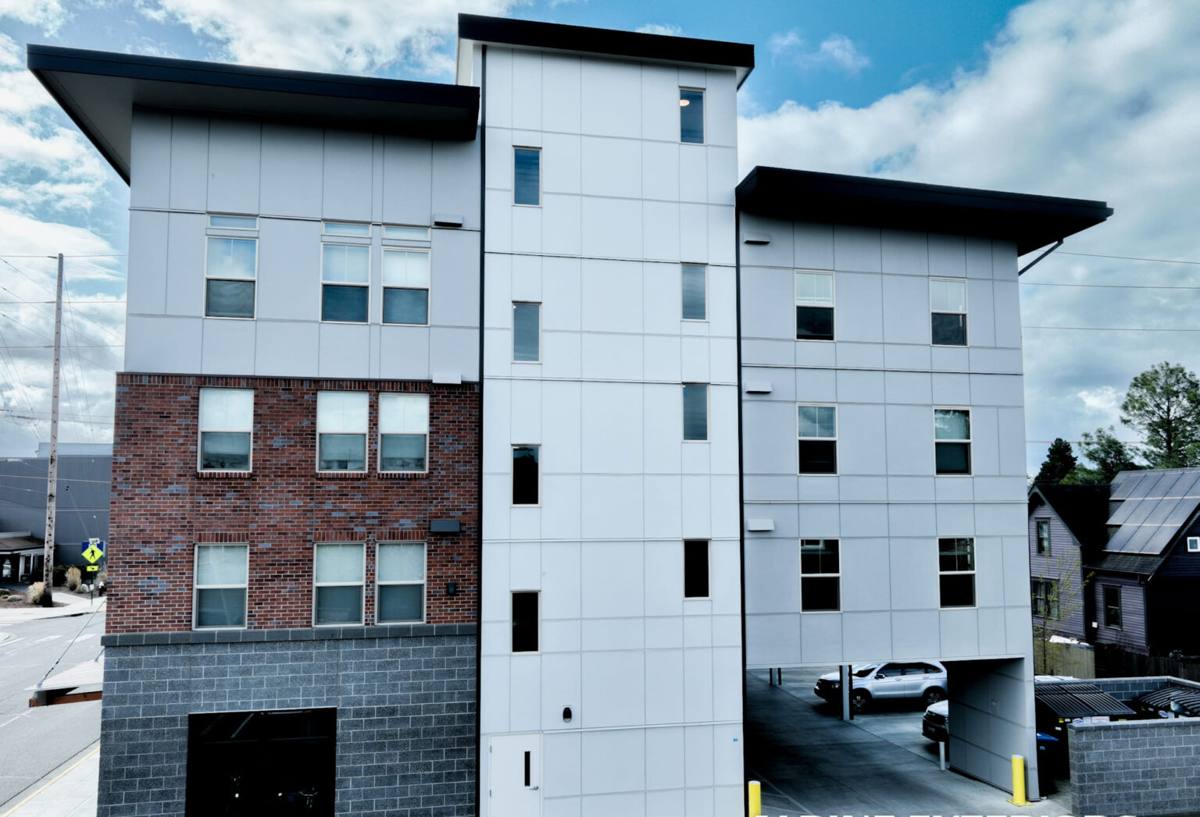
What Tampa Bay's Climate Actually Does to Vertical Siding
Every siding material and profile in this region is fighting the same four forces, but board and batten experiences them differently than lap siding because of its seam pattern and vertical orientation.
Wind
Vertical panels and battens create more edges and more fastener points that have to hold under uplift and lateral load during tropical storms and hurricanes. A fastening schedule that would be adequate in a milder climate can work loose here over a few storm seasons if it wasn't installed to the manufacturer's high-wind specifications.
Wind-driven rain
Rain in this region rarely falls straight down. During a squall or a hurricane's outer bands, it drives sideways into vertical seams and batten joints. Board and batten depends entirely on what's happening behind the visible boards — the drainage plane, flashing, and joint treatment — to keep that water moving down and out instead of soaking into the wall assembly.
UV exposure
Florida sun is relentless on siding that faces south and west most of the day. Field-applied paint on vertical wood or engineered wood battens breaks down faster here than in northern climates, showing chalking and fading well before a typical repaint cycle elsewhere.
Salt air
Even inland from the immediate coastline, salt-laden air moving through the Tampa Bay area accelerates corrosion of fasteners, flashing, and any exposed metal components. Standard fasteners that would last decades in a dry inland climate can start failing prematurely near the coast.
The James Hardie Board & Batten System — How It's Actually Built
We install James Hardie fiber cement exclusively, and board and batten is one of the applications where the difference between a correctly engineered system and a look-alike substitute shows up fastest. Here's what the real system involves.
HardiePanel Vertical Siding
The vertical field panels are fiber cement, factory-engineered to resist moisture absorption, and manufactured in the HZ formulations designed for humid, high-moisture climates like ours. Fiber cement doesn't swell, cup, or rot the way real wood or some engineered wood products can when they take on repeated moisture cycles.
Battens and Trim
The vertical battens that create the signature board and batten reveal are fiber cement trim boards, not dimensional lumber. That matters in this climate specifically — wood battens are one of the first things to show water damage on a Florida board and batten installation because they sit directly in the path of wind-driven rain and get full sun exposure.
ColorPlus Factory Finish
Rather than relying on field-applied paint, we specify the factory-applied ColorPlus finish wherever the project allows for it. It's baked on under controlled conditions and backed by its own finish warranty, which holds up far better against year-round Florida UV than a site-painted finish typically does.
The Drainage Plane Behind the Boards
This is the part nobody sees once the job is finished, and it's the part that determines whether the installation survives twenty years of Tampa Bay weather or starts showing problems in five. A correct installation includes a weather-resistive barrier, properly lapped and sealed, with furring strips or a rain screen gap behind the panels so that any moisture that does get past the surface has somewhere to drain and dry out instead of sitting against the wall sheathing.
Full-House Applications vs. Accent Use
Board and batten in this market gets used two ways, and the climate considerations shift depending on which one you're doing.
As an accent — on a gable end, a dormer, an entry feature, or a porch gable — board and batten is lower risk because the exposed area is smaller and often more sheltered. As a full-house application, which is increasingly popular for the farmhouse and modern coastal looks homeowners in Lutz are asking for, every one of the climate factors above applies across the entire building envelope, not just a small feature area. Full-house board and batten is a bigger commitment and deserves a more careful look at flashing details around every window, door, and roofline transition, since there are simply more linear feet of vertical seam exposed to weather.
What a Correct Board & Batten Installation Involves
Whether it's an accent piece or a full elevation, these are the details we won't skip, because in this climate skipping any one of them is how a board and batten wall starts leaking behind the surface within a few years.
- Full tear-off inspection of the existing wall sheathing for hidden rot or moisture damage before anything new goes up
- Continuous weather-resistive barrier, properly lapped shingle-fashion and sealed at every penetration
- Furring strips or a rain screen gap behind the panels to create a real drainage plane, not just a flat nailing surface
- Corrosion-resistant fasteners rated for coastal exposure, driven to the manufacturer's specified pattern and embedment
- Proper flashing and head flashing at every window, door, and roof-to-wall transition
- Manufacturer-specified fastening schedule for high-wind zones, not a generic or reduced pattern
- Correct gapping and sealant at panel and batten joints using a sealant rated for exterior fiber cement, not caulk left over from another trade
- Factory-finished ColorPlus material specified wherever the design allows, to minimize future repainting
What Drives the Cost of a Board & Batten Project
Board and batten pricing varies more than standard lap siding because so much depends on scope and existing conditions. The table below covers the main factors that move the estimate up or down on a typical Lutz project.
| Cost Factor | Why It Matters |
|---|---|
| Accent area vs. full-house coverage | Full elevations require far more material, flashing detail, and labor than a gable or dormer accent |
| Condition of existing sheathing | Hidden rot or moisture damage found during tear-off adds repair scope before new siding can go up |
| Board width and batten spacing | Narrower boards and tighter batten spacing mean more seams, more fasteners, and more labor hours |
| Trim and corner complexity | Multiple gables, dormers, or architectural features multiply the cuts and custom flashing required |
| Height and access | Second-story and steep-roof areas require additional staging and safety setup |
| Finish choice | Factory ColorPlus finish costs more upfront than field-painted but reduces repainting needs over time |
Our Process on Lutz Projects
Every board and batten project starts with a full exterior inspection, not just a measurement for material. We look at the existing wall assembly, check for moisture intrusion at past penetration points, and assess how much of the old cladding, if any, needs to come off versus what can stay in place. From there we walk the homeowner through the layout — board width, batten spacing, and which elevations are accent versus full coverage — before any material is ordered.
Installation follows the sequence that protects the wall assembly first and the finish second: tear-off and sheathing inspection, weather barrier installation, furring or rain screen setup, panel and batten installation to the specified fastening schedule, then flashing, joint sealing, and final finish work. We don't shortcut the drainage plane to save a day of labor, because that's the part of the job that determines whether the siding is still performing correctly in fifteen years, not just looking good on move-out day.
Why a Crew That Already Works in This Area Matters
A contractor who works regularly in Lutz and the surrounding Tampa Bay area has already seen how local conditions play out over time — which elevations take the worst of the wind-driven rain, how salt air affects fastener choice a few miles from the water versus further inland, and what the local permitting and wind-load requirements actually call for on a re-side versus new construction. That familiarity shows up in the small decisions: which side of the house gets the extra flashing detail, which fastener spec to use, how to sequence the job around Florida's summer storm pattern. It's the difference between a crew installing a product and a crew installing a system that's built for where it's actually going.
What to Expect Over Time
A correctly installed James Hardie board and batten system in this climate should need very little beyond routine care: periodic rinsing to keep salt and grime from building up, an eye kept on caulk lines at joints and penetrations, and attention after any major storm to check for loose fasteners or trim. Because the fiber cement itself doesn't rot, swell, or attract pests, most of the long-term maintenance conversation comes down to the finish and the sealant joints — both of which are far more manageable than the moisture problems that show up when a board and batten wall wasn't built with a real drainage plane behind it.
If you're considering board and batten siding for a home in Lutz, we're happy to walk the property, look at what you're working with, and put together a straightforward, no-pressure estimate. There's a form below whenever you're ready to get started.