 Oldsmar Siding
 Windows in Largo: Built for Pinellas County's Gulf Coast Climate
Largo sits inland from the open Gulf but still well within the reach of everything Pinellas County weather throws at a home's exterior over the course of a year. Hurricane-force winds during storm season, intense sun that beats down on west- and south-facing elevations nearly every day, wind-driven rain that finds its way into any gap that isn't sealed correctly, and salt-tinged air that drifts in off the water all work on a window at the same time, every year, whether a storm ever makes landfall nearby or not. A window isn't just glass in a frame here — it's a structural component of the wall, tested against wind pressure and impact, and it has to perform correctly for decades under conditions most of the country never has to design for.
We install and replace windows across the Largo area as part of our broader exterior work in Pinellas County, and we treat window installation the way we treat siding and roofing: as one connected system, not an isolated product swap. A window that's installed correctly but flashed poorly into the surrounding wall will still leak. A window rated for the right wind pressure but anchored with the wrong fasteners will still fail. This page covers what Largo homes actually need from a window installation, what a correct job looks like from tear-out to trim, and why the details matter more here than they do in most of the country.
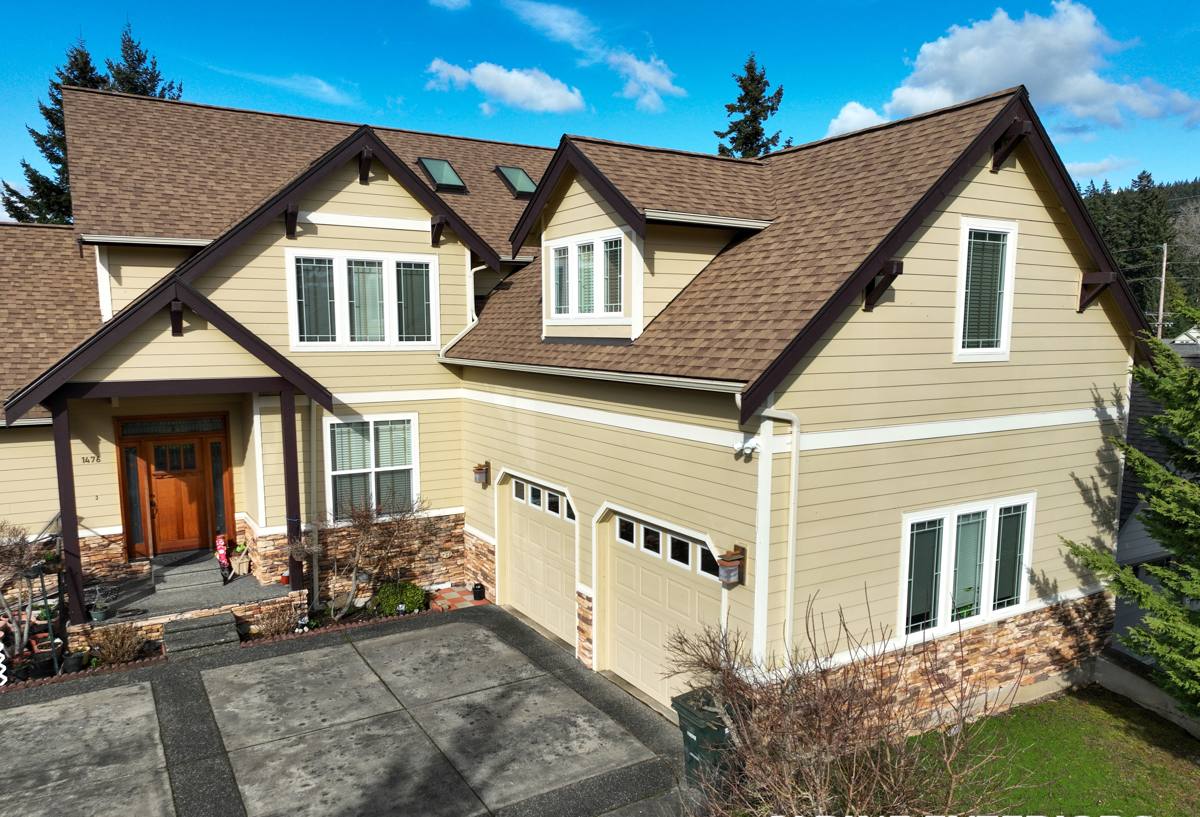
What Hurricane-Force Wind, UV, and Salt Air Do to Largo Windows
Wind Load and Pressure Cycling
Every storm season, Largo homes see sustained high wind and pressure differentials that push and pull on window assemblies, not just once during a hurricane but repeatedly through the shoulder-season squalls and tropical systems that pass through most years. Windows that aren't rated and anchored for the actual wind loads a given wall sees can flex at the frame, stress the seal around the glass, or in a worst case fail outright during a significant event. This is a structural question, not a cosmetic one, and it's why window selection here starts with the wind pressure and impact requirements for your specific home, not just a size and a style.
UV Degradation
Florida sun is intense and consistent nearly year-round, and it's harder on window components than most homeowners expect. UV exposure breaks down lower-grade vinyl and weatherstripping, fades and embrittles seals, and can cause frame discoloration or warping over time, especially on west-facing windows that take direct afternoon sun. Glass coatings matter here too — the wrong glass package lets in more heat and UV than a home needs, which shows up later as faded flooring and furniture and a harder-working air conditioner.
Wind-Driven Rain and Water Intrusion
Rain in this part of Florida rarely falls straight down during the storms that matter most. Wind pushes it sideways and even upward into window flashing, head trim, and sill pans, which makes the installation detail a bigger factor in whether a window leaks than the window product itself. A quality window installed with sloppy flashing will leak under wind-driven rain; a modest window installed with correct flashing and a properly pitched sill pan generally won't. Most of the water intrusion we find around windows traces back to how the opening was built, not what was put into it.
Salt Air and Hardware Corrosion
Even away from the immediate waterfront, Pinellas County air carries salt that accelerates corrosion on window hardware, screen frames, and fasteners over time. Lower-grade hardware finishes tend to show pitting, staining, or stiffness first, and once corrosion starts on a lock or hinge it usually keeps getting worse rather than better. This is one of the clearer arguments for corrosion-resistant hardware and fasteners specified for coastal use, even on homes that aren't directly on the water.
Florida Building Code, Wind Zones, and Impact Window Requirements
Most of Pinellas County, including Largo, falls within the windborne debris region under the Florida Building Code, which means new and replacement windows generally have to either be impact-rated or paired with code-compliant shutters or panels that can be deployed before a storm. The exact wind pressure and impact requirements for a given house depend on factors like the home's height, its exposure category, and how close it sits to open water, so the correct product for a given opening is determined by those specifics rather than by a single blanket standard for the whole city.
Every window we install carries the Florida Product Approval documentation that ties it to the wind pressure and impact testing it's actually rated for, and permitted work goes through the applicable local building department with the required inspections. That paperwork isn't a formality — it's what confirms the window in the wall is actually rated for what that opening needs, and it's also often required later for insurance purposes or when you sell the home.
Window Materials and Glass: What Actually Holds Up Here
There's no single correct frame material or glass package for every home — budget, sun exposure, distance from open water, and how long you plan to stay in the house all factor into the right answer. What matters is understanding the real trade-offs before deciding.
| Frame Material | Corrosion & UV Behavior | Typical Maintenance | Realistic Lifespan Here |
|---|---|---|---|
| Vinyl (impact-rated) | Won't corrode; quality varies widely between grades in UV resistance | Low | 20-30 years |
| Aluminum | Strong for wind loads; needs a quality finish to resist salt-air corrosion | Moderate | 25-35 years |
| Fiberglass | Dimensionally stable across heat swings; resists UV and corrosion well | Low | 30-40+ years |
| Wood, clad | Attractive but vulnerable at joints and sills without diligent upkeep in this humidity | Higher | 15-25 years depending on upkeep |
On the glass side, impact-rated windows use laminated glass with a durable interlayer bonding two panes together, so the glass can crack under debris impact without opening a hole in the wall. Low-E coatings and tinted or reflective glass packages also matter a great deal in this climate, since they control how much heat and UV actually make it into the house rather than just how the window looks from the street. We'll walk through which frame material and glass package fits your home's exposure and budget rather than defaulting to whichever product is easiest to sell.
Full-Frame Replacement, Insert Replacement, or New Construction
Which approach is right depends on the condition of the existing opening, not just preference. Insert replacement fits a new window into the existing frame and is faster and less invasive to surrounding siding and trim; it works well when the existing frame is structurally sound, properly flashed, and free of hidden moisture damage. Full-frame replacement removes the window down to the rough opening and rebuilds the flashing from scratch — it costs more and takes longer, but it's the honest answer when there's already moisture damage at the sill or jambs, or when the original flashing was never done correctly. New construction openings, whether for an addition or a full remodel, get built to current code requirements from the framing out, with no existing shortcuts to work around. We'll tell you which situation your home is actually in during the estimate, rather than defaulting to whichever option is cheaper and leaving a problem sealed up behind a new window.
Installation Fundamentals We Don't Treat as Optional
Most window failures in coastal Florida aren't failures of the window itself — they're shortcuts in the flashing, sealing, and anchoring details that don't show up until the next storm season. On every Largo job, that means:
- A properly pitched sill pan that sheds wind-driven water outward instead of letting it pool under the frame
- Head flashing integrated with the housewrap or building paper above the opening, lapped correctly for water to shed down and out
- Anchoring and fasteners specified for the window's tested wind load rating, installed at the correct spacing, not just "close enough"
- Corrosion-resistant hardware and fasteners appropriate for salt-influenced coastal air
- Sealant and backer rod at the frame perimeter that stays flexible rather than cracking under Florida's heat cycling
- Weep holes and drainage paths left clear and functional, never sealed shut during installation
- Permit pull and final inspection completed, with product approval documentation kept for your records
None of these add meaningfully to the cost of a job relative to the window itself, but skipping any one of them is exactly what turns a properly rated window into a liability the next time a storm comes through.
Signs a Largo Home Needs Window Attention
- Visible fogging or condensation trapped between panes, usually meaning a failed seal on an insulated glass unit
- Drafts or a noticeable temperature difference near a closed window, especially on west-facing walls
- Difficulty opening, closing, or latching a window that used to operate smoothly
- Cracked, chalky, or missing sealant around the frame perimeter
- Corrosion or stiffness in locks, hinges, or screen hardware
- Water staining on interior wall or ceiling surfaces near a window after heavy rain
- Windows that predate current impact standards and rely on separate shutters or panels that are a hassle to deploy
Any one of these is worth a professional look. Caught early, most point to a repair or resealing job rather than full replacement.
Insurance, Wind Mitigation, and Why a Local Pinellas County Crew Matters
Impact-rated windows are one of the items evaluated in a Florida wind mitigation inspection, and many homeowners see a reduction in their windstorm insurance premium after upgrading, alongside the practical benefit of not having to install and remove shutters before every storm. We can't quote your specific savings since that depends on your insurer and policy, but it's worth asking your agent to run the numbers once new windows are documented and permitted.
A crew that installs windows across Largo and the surrounding Pinellas County area through storm season after storm season sees how wind load, UV, and salt air actually behave on real houses over years, not just how a product performs on a spec sheet. That experience shows up in practical decisions: how much protection a given wall orientation needs based on its exposure to open water and prevailing wind, which flashing details are worth the extra time on install day, and how to sequence a job around Florida's rainy season instead of leaving an opening exposed overnight. We also handle siding and roofing, so if a window project turns up moisture damage in the surrounding wall or a roof-to-wall transition that's letting water in, we can address it as part of the same conversation instead of sending you to find a second contractor.
Get a Free, No-Pressure Estimate
If your Largo home has windows that are aging, drafty, hard to operate, or simply not rated for what this coast sees every storm season, we're glad to take a look and give you a straightforward, honest read on what it actually needs. Reach out using the form below to schedule a free estimate — no pressure, no upsell script.