 Oldsmar Siding
 Largo's Climate Is Harder on Siding Than It Looks
Largo sits inland from the Gulf but close enough to Tampa Bay and the Intracoastal that salt-laden air still reaches most neighborhoods, especially on breezy afternoons. Combine that with Pinellas County's summer humidity, near-daily UV exposure, and the wind-driven rain that comes with every strong storm system, and you have an environment that wears down exterior materials faster than almost anywhere else in the country. Siding here isn't just cosmetic — it's the first line of defense against moisture intrusion, wood rot, and wind damage.
Homes in Largo also deal with the swing between long dry stretches and sudden, heavy downpours. That cycle of expansion and contraction stresses seams, caulk joints, and fastener points. Add hurricane-force wind gusts during tropical systems, and any weak point in the siding system — a soft panel, a failed seal, a poorly flashed window — becomes the spot where water gets behind the wall.
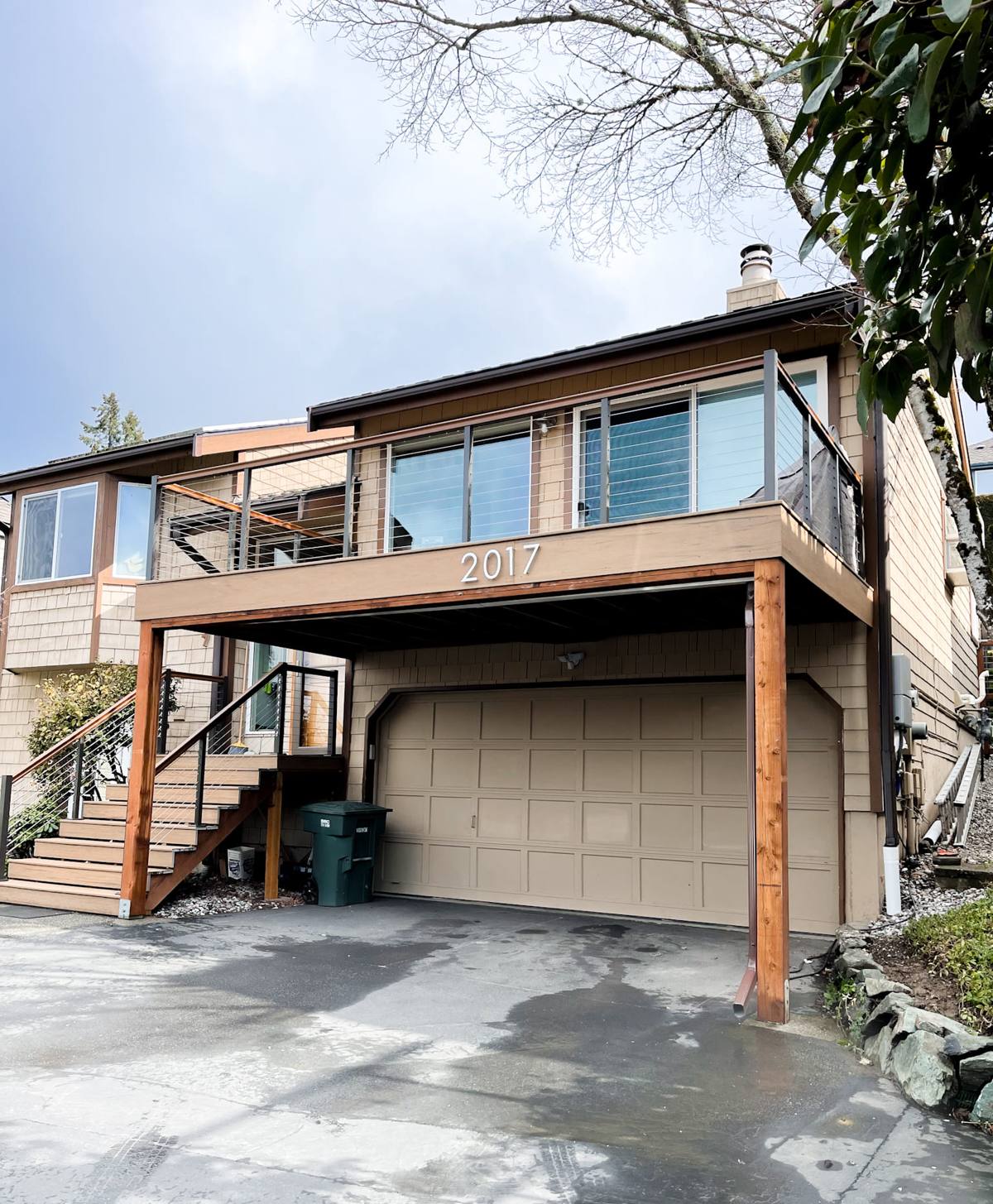
Signs a Largo Home Needs Full Siding Replacement, Not a Patch
Not every siding problem calls for a full tear-off. But in this climate, small issues tend to compound quickly once moisture gets behind the cladding. Here's what typically separates a repair job from a replacement job:
- Soft, spongy, or crumbling spots when you press on the siding, especially near the bottom courses or around windows and doors
- Visible warping, buckling, or panels that have pulled away from the wall line
- Paint that won't hold no matter how often it's refreshed — often a sign moisture is escaping from behind the panel
- Bubbling, peeling, or discoloration concentrated on the sides of the house that take the most sun and wind-driven rain
- Visible mold, mildew staining, or a musty smell near exterior walls on the interior
- Siding that predates current Florida wind-load standards, particularly on homes built before the mid-2000s
- Multiple prior repairs in different spots — a sign the material itself, not the workmanship, is the problem
If one or two of these show up in an isolated area, a repair may be enough. If they're spread across multiple walls, replacement is almost always the more cost-effective long-term move — patch jobs on aging siding tend to fail again within a year or two once the underlying material is compromised.
What a Correct Siding Replacement Actually Involves
A siding replacement is only as good as what's underneath it. Homeowners often assume the job is just swapping old panels for new ones, but the parts nobody sees are what determine whether the new siding lasts 30 years or fails in five.
Tear-Off and Inspection
Full removal of the old siding lets the crew inspect the sheathing underneath for rot, delamination, or water damage that's invisible from outside. Any compromised wood gets replaced before anything new goes up — installing over damaged sheathing just traps the problem.
Weather-Resistive Barrier
A properly lapped and sealed moisture barrier goes over the sheathing before any siding is hung. This is the layer that actually keeps wind-driven rain out of the wall cavity if water ever gets past the siding itself — and in Largo, given how often storms push rain sideways, this step matters more than in drier climates.
Flashing at Every Penetration
Windows, doors, vents, hose bibs, and light fixtures all need proper flashing and sealant integration with the barrier and siding. This is where most water intrusion problems actually originate — not through the field of the siding, but around openings that were flashed incorrectly or skipped altogether.
Correct Fastening for Wind Zones
Pinellas County falls within Florida's high-velocity wind zones for building code purposes. Fastener type, spacing, and placement all have to match manufacturer specifications for the local wind rating — not a generic national standard. Under-fastened siding is one of the most common causes of storm damage that could have been avoided.
Finish and Trim Detail
Corner boards, trim, and caulking at seams need to be done with materials rated for the same climate exposure as the siding itself. Mismatched trim materials often fail years before the siding does, creating gaps that let water in behind an otherwise sound wall.
Why We Install Only James Hardie Fiber Cement
We don't install vinyl, LP SmartSide, or other engineered wood or composite sidings, and we're upfront about why. In a climate with this much sun, humidity, and wind exposure, those products carry trade-offs we're not willing to put our name behind: vinyl can warp and become brittle under prolonged UV and heat, and it isn't rated for the wind speeds coastal Pinellas County homes need. Engineered wood products depend heavily on perfect field sealing at every cut edge to resist moisture — miss one spot and swelling starts. Those aren't manufacturer defects; they're inherent characteristics of the materials, and we've decided the risk isn't worth it for homes in this environment.
James Hardie fiber cement is engineered specifically for climates like this one. It's non-combustible, doesn't swell or rot when it gets wet, and holds up to UV exposure without the fading or chalking that plagues other materials over time. Hardie's HZ5 product line is formulated for the exact combination of humidity and temperature swings found in the Southeast, and the ColorPlus factory-applied finish is baked on under controlled conditions — far more durable than field-applied paint, and backed by its own finish warranty separate from the product warranty.
It costs more upfront than vinyl. We tell every homeowner that plainly. But for a Largo home, we believe it's the material that actually earns its keep over the life of the house.
Our Replacement Process for Largo Homes
- On-site assessment — We walk the exterior, check for soft spots and existing moisture damage, and evaluate window and door flashing conditions before quoting anything.
- Written scope and product selection — You'll get a clear breakdown of the Hardie product line, profile, and color, along with what the tear-off will include.
- Permitting — We pull the required permits through Pinellas County or the City of Largo depending on the property, and build the fastening schedule to meet local wind-load requirements.
- Tear-off and sheathing repair — Old siding comes off, sheathing is inspected, and any damaged wood is replaced before moving forward.
- Barrier, flashing, and installation — Weather-resistive barrier goes on first, flashing is integrated at every penetration, then Hardie siding is installed to manufacturer and code specifications.
- Final walkthrough — We inspect trim, caulking, and finish work with you before calling the job complete.
What Siding Replacement Costs Depend On
Every home is different, but the factors that move the price up or down are consistent. Rather than quote a number that won't match your house, here's what actually drives cost:
| Factor | Why It Matters |
|---|---|
| Home size and story count | More square footage and second-story access both increase labor and equipment needs |
| Extent of sheathing damage | Rotted wood found during tear-off has to be replaced before new siding goes on |
| Siding profile and texture | Lap width, shake-style panels, and board-and-batten each have different material and labor costs |
| Trim and architectural detail | Homes with more corners, dormers, or window trim take more time to detail correctly |
| Color and finish selection | Standard ColorPlus colors versus custom or premium finishes affect material pricing |
| Removal and disposal | Full tear-off of old siding adds labor and disposal cost versus installing over existing material (which we generally don't recommend) |
We give a firm, itemized quote after the on-site assessment — not a rough number over the phone. That way you know exactly what you're paying for before work starts.
Why a Crew That Already Works in Largo Makes a Difference
Permitting requirements, wind-load fastening schedules, and inspection expectations vary by jurisdiction, and Pinellas County properties can fall under county or city authority depending on exact location. A crew that regularly works in and around Largo already knows which permits apply, what local inspectors look for, and how HOA exterior guidelines in this area typically run — which means fewer delays and fewer surprises mid-project. It also means the crew has seen firsthand how siding here actually fails, not just how it's supposed to perform on paper, and installs accordingly.
After Installation: Keeping Hardie Siding Performing
One advantage of fiber cement is how little maintenance it demands compared to other materials. Even so, a few habits extend its life in this climate:
- Rinse off salt residue and grime with a garden hose a few times a year, especially on walls facing open water or main roads
- Keep sprinklers and irrigation heads from spraying directly on the siding, which can cause mineral staining over time
- Have caulking at trim and penetration points inspected every couple of years and refreshed if it's cracking
- Trim back shrubs and trees so foliage isn't holding moisture against the siding surface
If you're seeing warning signs on your current siding, or you just want a straight answer on whether repair or replacement makes more sense for your home, we're happy to take a look. Reach out for a free, no-pressure estimate using the form below.