 Oldsmar Siding
 Siding Repair for Land O' Lakes Homes, From a Crew Based Close By
Homeowners in Land O' Lakes deal with the same weather punishment as the rest of the greater Oldsmar area: long stretches of intense sun, sudden downpours that come in sideways, and the kind of humidity that never really lets a wall assembly dry out completely. Siding here doesn't fail because it's old — it fails because moisture found a way in and nobody caught it early. We run repair calls in this area regularly, which means we already know what tends to go wrong on homes built in the last few decades of Gulf Coast growth, and we don't have to guess at what a fix should look like.
This page is about one thing: siding repair, done right, for this specific area. Not a full re-side, not a sales pitch for a whole new house — just an honest look at what damaged or aging siding needs from a repair, what a correct job actually involves, and why it matters that the crew doing the work already knows this neighborhood's housing stock.
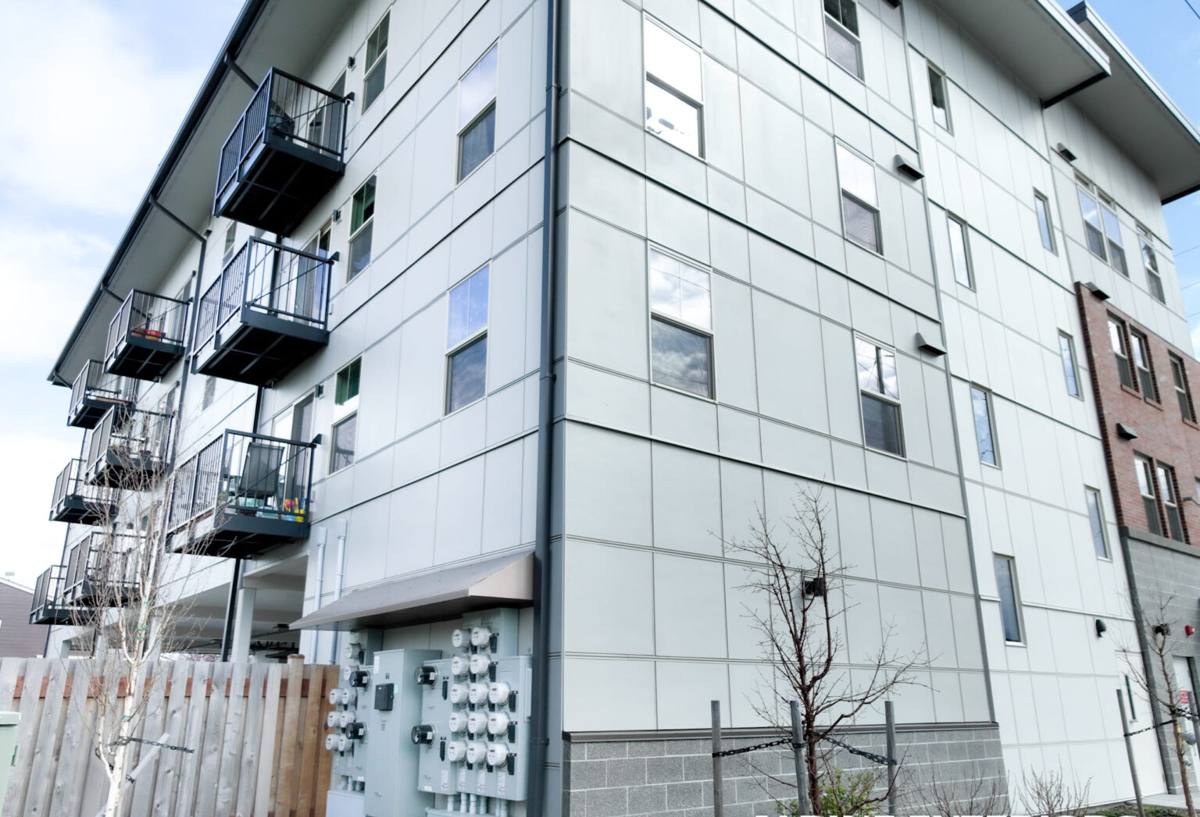
Why Repairs Get Worse Fast in This Climate
A small siding problem in a dry, mild climate can sit for years without getting worse. That's not how it works here. Between hurricane-season wind loading, wind-driven rain that gets pushed sideways into seams and laps, near-constant UV exposure, and salt-laden air moving in off the Gulf, small gaps and cracks in siding turn into real moisture problems on a much shorter timeline.
What each factor actually does to siding
- Wind-driven rain: pushes water horizontally into laps, seams, and fastener penetrations that were only ever designed to shed water falling straight down.
- Hurricane-force wind gusts: flex panels repeatedly, working loose fasteners and stressing seams that were fine under normal conditions.
- Year-round UV: breaks down caulk, sealants, and unprotected wood surfaces faster than in most of the country, which is why a repair's sealant and paint choices matter as much as the patch itself.
- Salt air: accelerates corrosion of exposed fasteners and metal trim, and it doesn't take a beachfront lot to feel it — it travels well inland on Gulf breezes.
Put those together and you get the pattern we see over and over on repair calls in this area: a small crack or gap that looked cosmetic for a year or two, sitting right over sheathing or framing that's already wet underneath.
Common Siding Problems We Find on Homes in This Area
Wood and engineered wood siding
Older wood siding and some engineered wood products absorb moisture at cut edges, fastener holes, and butt joints. Once water gets in, the material swells, the paint film cracks, and rot sets in from the inside out — often invisible until a section is soft to the touch or a repaint reveals bubbling.
Vinyl siding
Vinyl handles rain fine but doesn't hold up well to sustained wind flex or intense heat — panels can warp, buckle, or crack at fastener points, and once a panel is compromised, it usually can't be repaired invisibly since sun-faded vinyl rarely matches new stock.
Fiber cement siding
Fiber cement resists moisture and pests well, but it's not immune to problems caused by bad original installation: caulking failures at joints, missing or improper flashing above windows and doors, and paint or factory-finish failure at cut edges that were never sealed. Most fiber cement repair calls we get are tracing an installation shortcut back to its source, not a product failure.
What a Correct Siding Repair Actually Involves
A repair that only replaces what's visibly damaged, without checking what's behind it, is a repair that will likely come back. Here's what we check and address on every repair call:
- Remove the damaged section and inspect the water-resistive barrier and sheathing underneath for hidden moisture or soft spots.
- Confirm flashing above windows, doors, and any horizontal trim is present, correctly lapped, and directing water outward — not just caulked over.
- Replace or dry out any compromised sheathing before new siding goes back on; patching over wet substrate guarantees a repeat call.
- Match the new material's profile, exposure, and finish as closely as possible so the repair doesn't stand out.
- Re-seal and re-caulk joints with a sealant rated for sustained UV and humidity exposure, not a generic hardware-store tube.
- Check fasteners for corrosion, especially on homes closer to open water, and replace with corrosion-resistant fasteners where needed.
Skip any one of those steps and the repair is cosmetic — it'll look fine for a season and fail again in the same spot.
Repair or Replace? How We Help You Decide
Not every damaged section needs a full re-side, but sometimes a repair is a short-term patch on a bigger problem. We walk through a few honest factors with homeowners before recommending either path.
| Factor | Leans toward repair | Leans toward replacement |
|---|---|---|
| Extent of damage | Isolated section or panel | Damage spread across multiple walls |
| Underlying moisture | Sheathing dry once opened up | Widespread rot or soft sheathing found |
| Material match | Close match to existing siding available | Product discontinued or badly sun-faded |
| Age of existing siding | Mid-life, otherwise sound | Near or past its expected service life |
| Root cause | One-time damage event (impact, isolated failure) | Systemic issue (bad original install, wrong product for climate) |
If we open a section and find the problem is isolated, we'll say so and repair it — we're not trying to upsell a whole job. If we find the same failure repeating across the house, we'll tell you that too, and explain why.
Our Process for a Land O' Lakes Repair Call
- Inspection first: we look at the damaged area and the surrounding siding, not just the spot you called about — hidden problems are rarely isolated to one board.
- Straight answer on scope: repair, partial re-side, or full replacement, explained in plain terms with the reasoning behind it.
- Written estimate: what's being replaced, what's being checked underneath, and what the finished repair will look like next to existing siding.
- Work done to the same standard as new installs: proper flashing, correct fastening, and sealants suited to this climate — a repair isn't a lesser job.
- Cleanup and a final walk-through: so you can see the finished repair against the rest of the wall before we consider the job done.
Why We Repair With James Hardie Fiber Cement
We install James Hardie fiber cement siding exclusively — we don't install vinyl, LP SmartSide, primed wood, cedar, or other fiber cement brands. That standard applies to repair work too. When we're patching a section of existing non-Hardie siding, we'll tell you honestly what your options are: a like-for-like patch in the existing material, or a chance to transition that section — or eventually the whole house — to Hardie.
For repairs specifically, Hardie's advantages matter in practical ways: it's non-combustible, it resists moisture-driven swelling and rot that plagues wood-based products in this humidity, and its ColorPlus factory finish holds color under sustained Gulf Coast UV far better than field-applied paint. Hardie's HZ5 product line is engineered for exactly this kind of climate — wind, moisture, and heat — which is a large part of why we standardized on it instead of carrying multiple product lines.
What this means for a partial repair
If your home already has Hardie siding, a repair is straightforward — matching profile, exposure, and ColorPlus finish is realistic because the product line is consistent and well-documented. If your home has a different siding product, we'll still repair it honestly and correctly, but we'll also give you a clear-eyed comparison of what a Hardie transition would mean long-term, without pressuring you into a bigger job than you called about.
Why a Crew That Already Works This Area Matters
Siding repair quality depends heavily on knowing what's typical for a given area's building stock and climate exposure. A crew that regularly works in and around Land O' Lakes and the greater Oldsmar area already has a feel for common original-installation shortcuts, which sides of a house tend to take the worst wind-driven rain, and which sealants and fasteners actually hold up here versus what fails within a couple of seasons. That local pattern recognition is the difference between a repair that solves the problem and one that just covers it up until the next storm season.
It also means faster, more accurate estimates — we're not learning the regional climate stresses on your dime, and we're not applying assumptions from a different part of the country to a Gulf Coast home.
Signs Your Siding Needs a Repair Call Now
- Visible cracks, splits, or gaps at seams and joints, especially after storm season
- Soft or spongy areas when you press on the siding near the base of the wall
- Paint or factory finish peeling, bubbling, or discoloring in patches
- Warped, buckled, or loose panels, particularly on wind-exposed walls
- Rust streaks running down from fastener heads or trim
- Musty smell or visible staining on interior walls that share an exterior wall with damaged siding
- Gaps opening up around window and door trim where siding meets the frame
Any one of these on its own might be minor. Several together, or any sign paired with softness underneath, usually means moisture has already reached the sheathing.
If you're seeing any of these signs on your Land O' Lakes home, we're glad to take a look and give you a straight answer on what it needs — repair or otherwise. Reach out for a free, no-pressure estimate using the form below.