 Oldsmar Siding
 Siding Installation Built for the Land O' Lakes Climate
Homes in the Land O' Lakes area sit in a stretch of the Tampa Bay region that takes a real beating year-round. It's not one bad season — it's four kinds of stress stacking on top of each other every year: hurricane-force wind gusts during storm season, intense UV exposure nearly every day of the year, wind-driven rain that gets pushed sideways into wall assemblies, and salt-laden air drifting inland off the Gulf. Any one of those would shorten the life of a mediocre siding job. All four together will find every weak point in a wall system within a few years if the installation wasn't done correctly the first time.
That's the whole point of this page. Siding installation isn't just "material on a wall." It's a system — substrate prep, moisture management, fastening, flashing, and finish — and every part of that system has to be sized for what this specific climate does to a house. We install siding in Land O' Lakes the same disciplined way we install it everywhere else we work, but the details below are specific to what this area actually throws at a home.
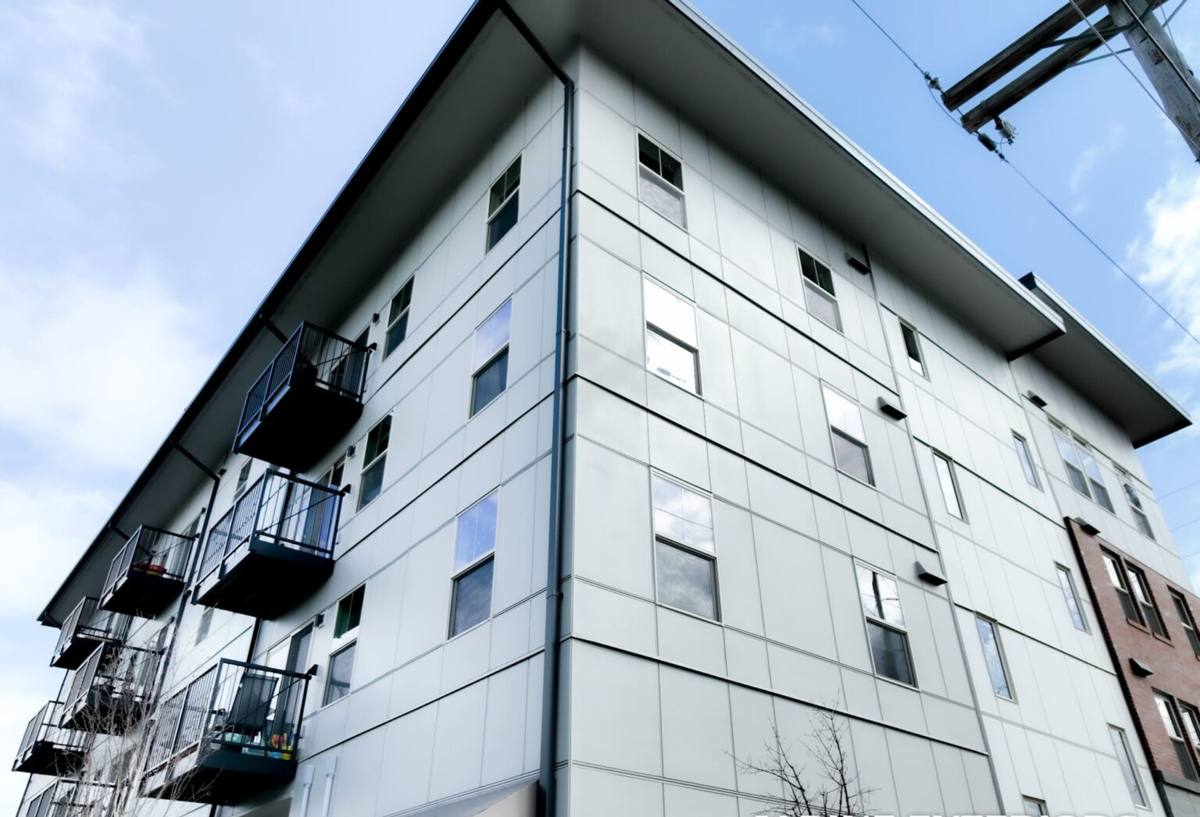
What Land O' Lakes Homes Need From Their Siding
Wind Resistance
Florida's wind zone requirements aren't a formality here — they reflect real storm history. Siding has to be rated for the wind pressures the local building code requires, and just as important, it has to be fastened to meet that rating. A product with a strong wind rating installed with the wrong nailing pattern or spacing performs like a product with no rating at all once storm-force gusts start pulling on it.
UV and Heat Stability
Central Florida sun is relentless. Siding facing south and west exposures takes near-constant UV load for most of the year, plus surface temperatures that swing widely between a hot afternoon and an evening thunderstorm. Paint films and finishes that aren't engineered for this kind of cycling chalk, fade unevenly, and start to crack years before a homeowner expects to repaint.
Wind-Driven Rain
Rain that falls straight down is easy to shed. Rain that gets pushed sideways at 40-60 mph during a summer storm is a different problem — it works its way behind laps, around trim, and into any gap in the water-resistive barrier that wasn't sealed correctly. Most siding failures we see in this region aren't caused by the siding material itself; they're caused by water finding a path behind it and rotting the sheathing underneath.
Salt Air
Land O' Lakes isn't directly on the coast, but this whole part of the Gulf coast sees salt-bearing air move inland, especially during onshore wind events. Salt accelerates corrosion on fasteners, trim flashing, and any metal component in the wall assembly. Siding installations here need corrosion-resistant hardware throughout — not just at the parts that are easy to see.
What a Correct Siding Installation Actually Involves
A lot of what determines whether siding lasts 10 years or 30+ years happens before a single piece of siding goes up. The material gets the attention; the prep work is what actually protects the house.
- Substrate inspection: checking sheathing for existing moisture damage, soft spots, or rot before anything new goes over it — covering a damaged substrate just traps the problem
- Weather-resistive barrier: a continuous, properly lapped house wrap or building paper that sheds water downward and out, with every penetration and seam sealed
- Flashing at every transition: windows, doors, roof lines, decks, and any place two different materials meet — these are the spots wind-driven rain exploits first
- Correct fastening: fastener type, length, and spacing matched to both the siding manufacturer's specification and the local wind zone requirement
- Proper clearances: siding held off grade, roof lines, and other hard surfaces so water has somewhere to go instead of wicking into the bottom edge of the material
- Factory or field finish applied correctly: caulking only where the manufacturer specifies it, using a sealant rated for the finish and the climate
Skip or rush any one of these steps and the siding can look perfect on installation day while a problem is already building behind it. This is why we treat installation as a full system, not just a material swap.
Why We Install Only James Hardie Fiber Cement
We made a decision a long time ago to install one siding system — James Hardie fiber cement — and not offer vinyl, LP SmartSide, Cemplank, Allura, or primed wood siding as alternatives. That's not a marketing position, it's a standard we hold ourselves to because of what this climate does to a house over time.
Fiber cement is non-combustible, which matters in a state where wildfire and electrical exposure risk both exist. James Hardie's HZ product lines are engineered specifically for high-humidity, high-UV climate zones like ours, with moisture and impact performance suited to what Florida actually experiences rather than a generic national spec. The ColorPlus factory finish process bakes color onto the board under controlled conditions before it ever reaches the jobsite, which gives it more consistent UV and fade resistance than most field-applied paint systems can match, and it comes backed by a real transferable warranty.
None of that replaces correct installation — even the best siding product fails early if it's hung wrong. But starting with a material that's engineered for this exact climate gives every Land O' Lakes installation a real head start over products designed for milder, drier parts of the country.
Our Installation Process
- On-site assessment: we walk the exterior, check existing substrate condition, and note wind exposure, sun exposure, and drainage issues specific to the lot
- Measurement and material plan: exact quantities, trim profile, and HZ product selection based on the home's exposure
- Removal of old siding: full tear-off so the sheathing underneath can actually be inspected and repaired, not covered up
- Sheathing repair: any rotted or compromised substrate is replaced before the new system goes on
- Weather-resistive barrier and flashing: installed continuously, with every window, door, and penetration flashed and sealed
- Siding installation: fastened to Hardie's specification and the local wind zone requirement, with correct clearances maintained throughout
- Trim, caulking, and finish detail: only manufacturer-approved sealants at the joints that call for them
- Final walkthrough: we go over the completed job with the homeowner before calling it done
Common Issues We Find on Existing Homes
When we tear off old siding on homes in this area, a few patterns show up often enough to be worth mentioning honestly. Wood and older composite siding products frequently show moisture damage at the bottom courses, where splash-back and poor clearance let water sit against the material for years. Stucco-to-siding transitions are a frequent leak point when the original flashing wasn't detailed correctly. And on homes where siding was added or replaced without removing the old material, we sometimes find a prior weather barrier that was never properly lapped, meaning water had a path behind the wall for who knows how long before any visible sign showed up inside the house.
None of this is unusual for a home in a demanding coastal climate — it's just what happens over enough years of sun, wind, and rain. It's also exactly why a full tear-off and honest substrate inspection matters more here than it would in a milder climate.
Cost Factors for Siding Installation
Every home is different, and we won't quote a number without seeing the house, but these are the factors that actually move the price on a siding installation project:
| Factor | Why It Matters |
|---|---|
| Home size and number of stories | More surface area and taller walls mean more material and more labor, especially for access equipment on two-story sections |
| Existing siding removal | Full tear-off costs more upfront than installing over existing material, but it's the only way to inspect and repair the substrate |
| Substrate condition | Rotted or damaged sheathing found during tear-off needs to be replaced before new siding goes on |
| Trim and architectural detail | Homes with more windows, corners, and roofline transitions require more flashing and cutting labor |
| HZ product line and profile selected | Board style, texture, and plank width affect material cost per square foot |
| Color and finish choice | ColorPlus factory finishes carry a different cost structure than field-primed and painted options |
Why Hiring a Crew That Already Works This Area Matters
Wind zone requirements, permitting expectations, and inspection standards in this part of Florida aren't identical to what a crew coming from out of state or out of climate is used to. A crew that regularly works the Land O' Lakes and greater Tampa Bay area already knows the wind load requirements local inspectors check for, understands how HOA and permitting processes in these communities typically run, and has seen firsthand what happens to siding installed without those details respected — usually because they've been called out to fix it.
That local track record also means faster response if a storm rolls through and a homeowner needs someone who already knows their house, rather than starting from scratch with an unfamiliar crew. Being based nearby in Oldsmar means we're not a long drive away when a Land O' Lakes homeowner needs a follow-up, a warranty question answered, or storm-damage assessment.
After Installation: What Keeps Siding Performing
Correctly installed James Hardie siding is low-maintenance, not no-maintenance. A little attention goes a long way in this climate:
- Rinse siding periodically to clear salt residue and airborne debris, especially on sides facing prevailing wind
- Keep sprinklers and irrigation heads from spraying directly and repeatedly on the same section of wall
- Trim back landscaping so foliage isn't holding moisture against the siding surface
- Inspect caulking at trim joints and penetrations annually, and reseal if it's cracked or pulling away
- After any major storm, walk the exterior and look for loose boards, damaged trim, or gaps that weren't there before
- Address any small issue — a lifted piece of trim, a soft spot, a stain — before the next rainy season, not after
If you're weighing a siding project on a Land O' Lakes home and want a straight answer about what your house actually needs, we're happy to take a look. A free, no-pressure estimate gets you a real assessment of your siding's condition and an honest recommendation — no obligation either way. The form below is the fastest way to get started.