 Oldsmar Siding
 Roof Repair Built for the Land O' Lakes Climate
A roof in the Land O' Lakes area works harder than most people realize. It spends its life under a punishing combination of intense year-round UV exposure, sudden wind-driven downpours, and the kind of tropical-storm and hurricane-force gusts that are simply part of living on Florida's Gulf Coast. Add in salt-laden air moving inland from Tampa Bay and the Gulf, and you have a recipe for shingles, flashing, and sealants that age faster here than they would almost anywhere else in the country. That's the environment we design every repair around.
A roof repair done right in this area isn't just about patching what's visibly broken. It's about understanding why that spot failed in the first place — sun-baked and brittle sealant, a flashing detail that was never quite right, wind that got up under a shingle tab — and fixing the actual cause, not just the symptom.
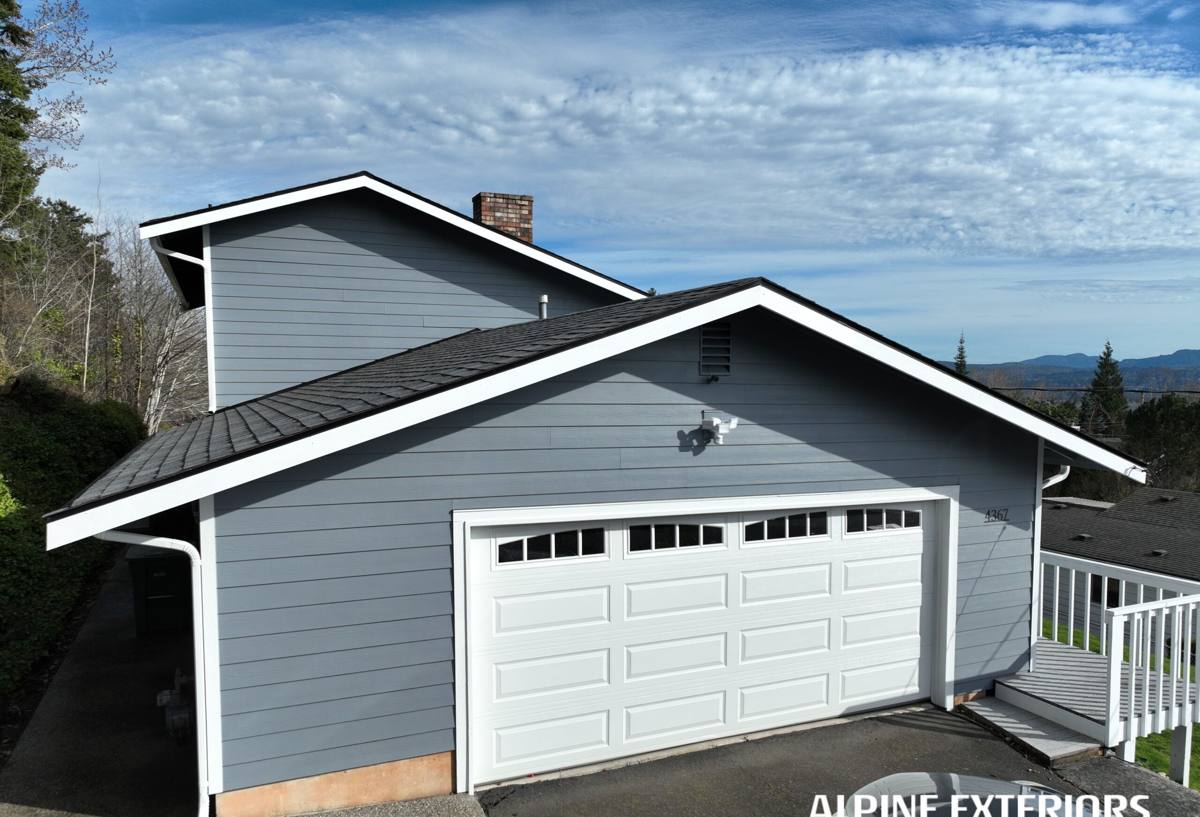
Where Roof Repairs Usually Start in This Area
Wind-Lifted or Missing Shingles
Gusty storms don't need to be a named hurricane to do damage. Straight-line winds and the leading edge of summer thunderstorms regularly lift shingle tabs, crack tab seals, or tear individual shingles loose. Once a seal is broken, that shingle is vulnerable every time wind picks up again, even on an otherwise calm day.
Flashing and Valley Leaks
Flashing around chimneys, skylights, sidewalls, and roof valleys is where most leaks actually originate — far more often than through the field of the shingles themselves. Florida's wind-driven rain has a way of finding the smallest gap in a flashing detail and pushing water sideways and upward, not just down.
Nail Pops and Sealant Failure
Constant heat cycling — roof surfaces here can swing from cool overnight temperatures to well over 150°F in direct summer sun — causes roofing nails to work loose and factory and field-applied sealants to dry out and crack years before they would in a milder climate. Small nail pops and hairline sealant cracks are easy to miss from the ground but are a common source of slow, hard-to-trace leaks.
Soffit, Fascia, and Decking Damage
Once water gets past the roofing surface, it typically shows up next in the soffit, fascia, or, in worse cases, the decking underneath. Salt air accelerates corrosion on exposed fasteners and metal drip edge, which can quietly undermine a repair if it isn't addressed at the same time.
What an Honest Roof Repair Actually Involves
A proper repair starts with a full inspection, not just a look at the spot where a stain showed up on the ceiling. Water travels. A leak that appears in one room can originate several feet away at a flashing detail, a valley, or a penetration. We check the surrounding shingles, the flashing, the decking (where accessible), and the ventilation in the area before we touch anything, because repairing the wrong spot means the same leak comes back after the next storm.
We also match materials as closely as possible — matching shingle profile and, where available, color, using the correct underlayment for the location (open valleys and low-slope transitions need different protection than open field), and installing flashing that meets current wind and moisture standards rather than just replicating whatever was there before, especially if the original detail was part of the problem.
Repair or Replace? What We Actually Look At
Not every roof problem needs a full replacement, and not every roof problem should be patched and left alone. The honest answer depends on a handful of specific factors, which we walk through with the homeowner before recommending either path.
| Factor | Repair Usually Makes Sense | Replacement Usually Makes More Sense |
|---|---|---|
| Roof age | Under roughly 12–15 years, in otherwise good condition | Approaching or past the shingle manufacturer's expected service life |
| Extent of damage | Isolated to one area, valley, or penetration | Multiple areas failing, or damage spread across several roof planes |
| Decking condition | Solid, no soft spots or rot found during inspection | Soft decking, rot, or repeated water intrusion in the same area |
| Shingle availability | Existing shingle profile/color can be reasonably matched | Shingle is discontinued or heavily faded, making patches visually obvious |
| Storm history | First occurrence, clear single cause identified | Recurring damage after multiple storm seasons |
When a roof is a genuine repair candidate, we say so plainly — there's no advantage to us in overselling a replacement a homeowner doesn't need yet. When the roof is past that point, we'll explain exactly why, in plain terms, so the decision makes sense.
Our Roof Repair Process
- Inspection. We examine the affected area and the roof as a whole, including flashing, valleys, penetrations, and visible decking, to identify the actual source of the problem.
- Diagnosis and written scope. We explain what we found, what's causing it, and what the repair will involve — before any work starts, not after.
- Repair. We remove damaged materials, address the underlying cause (not just the surface symptom), and install matching shingles, underlayment, and flashing as needed.
- Weatherproofing check. Every repair is checked for proper seal and water shedding before we consider the job finished, with particular attention to laps and transitions where wind-driven rain is most likely to intrude.
- Cleanup and walkthrough. We clear debris and nails from the property and walk the homeowner through what was done.
Materials and Methods We Rely On
For a climate like this one, material choice matters as much as workmanship. We use shingles rated for high-wind performance rather than builder-grade minimums, because a shingle repair is only as good as its ability to survive the next gust. In valleys and around penetrations, we favor self-adhering underlayment membranes over standard felt, since they seal around fastener penetrations and resist the wind-driven rain that regular felt can struggle with. Flashing is installed in corrosion-resistant metal, with attention to how it laps with the surrounding shingles rather than just caulked in place — caulk is a maintenance item, not a substitute for correct flashing technique, and in salt air it degrades faster than most homeowners expect.
We also pay attention to ventilation while we're on the roof. Poor attic ventilation accelerates shingle aging from the underside, which is easy to overlook if a crew is only focused on the surface repair.
Why Hiring a Crew That Already Works This Area Matters
A roofer who regularly works in and around Oldsmar and the Land O' Lakes area already understands the local permitting expectations, the wind-resistance standards that apply here, and the specific ways Gulf Coast weather attacks a roof over time. That familiarity shows up in small but important decisions — which flashing detail to trust, which underlayment to use in a valley, how much drip edge overhang actually holds up to wind-driven rain in this region.
It also matters for response time. After a summer storm rolls through, the roofers who already know the neighborhood and its common roof types can get to a leak faster and diagnose it more accurately than a crew working the area for the first time. That speed matters, because a small leak left unaddressed for even a few weeks in Florida's humidity can turn into a decking or interior moisture problem.
Signs Your Roof Needs Repair Attention Now
- Missing, cracked, curling, or lifted shingles anywhere on the roof
- Granules collecting in gutters or at downspout outlets
- Visible daylight or staining in the attic, especially around chimneys, vents, or skylights
- Ceiling stains or peeling paint on an interior wall near an exterior wall or roofline
- Soft or spongy spots when the roof is walked, or sagging visible from the ground
- Rusted, loose, or missing flashing around penetrations and valleys
- Debris or granule buildup in valleys after a storm
- Soffit or fascia showing water staining, discoloration, or soft wood
Any one of these on its own doesn't necessarily mean a major problem, but ignoring them tends to turn a straightforward repair into a much larger one, especially once decking or interior framing gets involved.
A Broad Sense of Cost
Roof repair costs vary widely based on the extent of damage, roof pitch and accessibility, and the materials involved. Most isolated repairs — a section of missing shingles, a flashing detail, a single leak source — run from a few hundred dollars to a couple thousand, with larger or multi-area repairs costing more. We won't give a firm number without seeing the roof, but we'll always explain what's driving the cost before any work begins.
If you're dealing with a leak, storm damage, or a roof that's just showing its age in the Land O' Lakes area, we're glad to take a look. A free, no-pressure estimate is the easiest way to find out exactly what's going on and what it would take to fix it — just fill out the form below.