 Oldsmar Siding
 Building a Deck That's Actually Made for Tampa Bay
A deck in Tampa doesn't live an easy life. It sits outside twelve months a year, soaking up UV that's stronger and more constant than almost anywhere else in the country, then gets hammered by wind-driven summer storms and the occasional hurricane-force gust that puts real lateral load on the structure. Add in the salt air that drifts inland off Tampa Bay and the humidity that never really lets wood or hardware fully dry out, and you've got a building project that punishes shortcuts fast. A deck built the way it might be in a drier, milder climate will show fastener corrosion, board cupping, and connection failures years before it should here.
That's the backdrop for every deck we build for homeowners in and around Tampa. The goal isn't just a deck that looks good on day one — it's a deck that's still solid, safe, and holding its finish five, ten, fifteen years out, having weathered several hurricane seasons along the way.
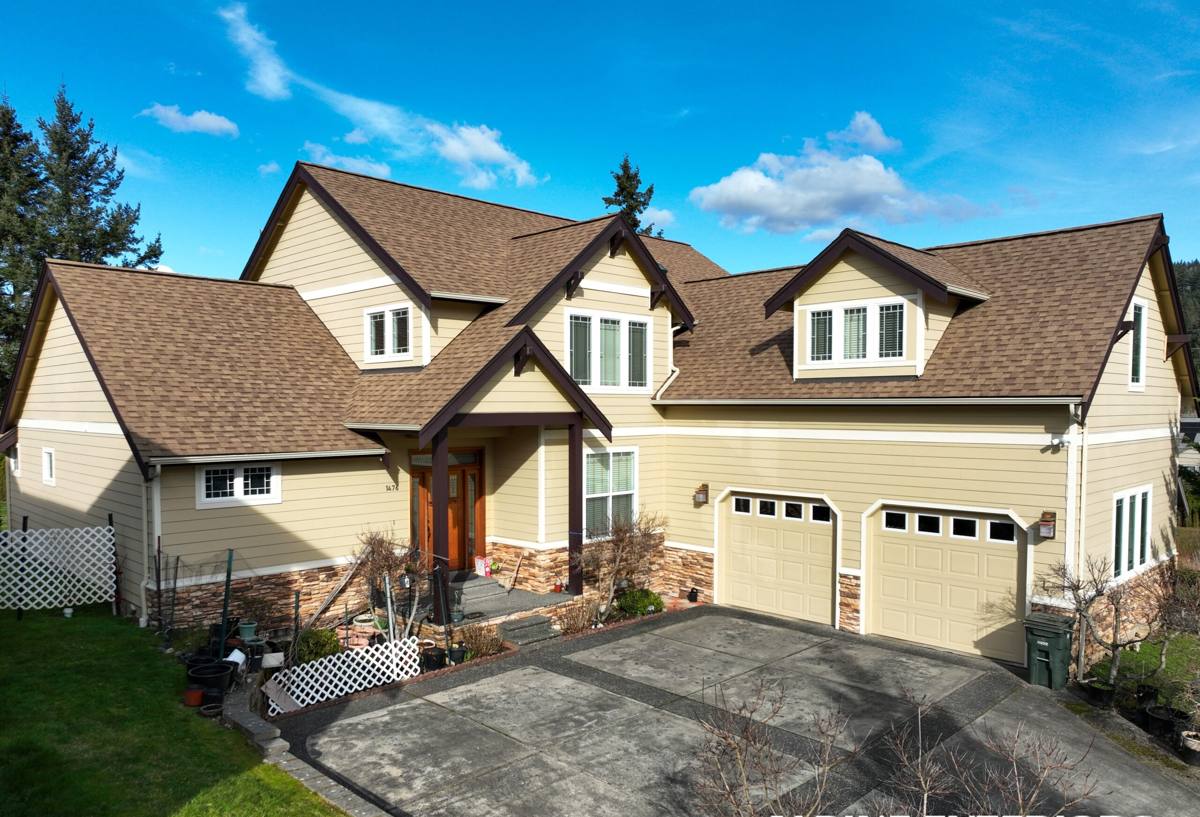
What Tampa-Area Decks Need to Hold Up
Before we talk about decking boards — the part homeowners usually picture first — it's worth being clear about what actually determines whether a deck lasts here. Three things matter more than the surface material:
Wind resistance
Decks are exposed structures, and in a hurricane-prone region like the Tampa Bay area, that means every connection — ledger to house, post to footing, joist to beam — has to be rated and fastened for uplift and lateral load, not just the weight of people standing on it. Undersized hardware is one of the most common failure points we find on older or poorly built decks in this area.
Moisture and rot management
Florida's humidity means wood framing rarely gets a true dry-out period. Proper spacing between boards, ventilation underneath the deck, and correctly flashed ledger connections all matter more here than they would in a dry climate, because trapped moisture doesn't evaporate — it just sits and works on the wood.
Corrosion resistance
Salt-laden air moving off Tampa Bay accelerates corrosion on fasteners, brackets, and any exposed metal hardware. Standard hot-dip galvanized hardware can hold up reasonably well, but stainless steel fasteners and coated structural connectors are the better long-term choice for anything near the coast or in an open, wind-exposed yard.
Choosing the Right Decking Material for This Climate
There's no single "best" decking material — there's a best material for a given budget, look, and maintenance appetite. Here's how the common options actually perform under Tampa's sun, humidity, and salt air:
| Material | How It Handles Tampa's Climate | Maintenance | Relative Cost |
|---|---|---|---|
| Pressure-treated pine | Good structural performance if properly sealed; UV and humidity will gray and check the surface without upkeep | Needs cleaning and sealing every 1-2 years | Lowest |
| Tropical hardwood (e.g., ipe) | Naturally dense and rot-resistant; handles UV and moisture well but can still check without oiling | Periodic oiling to maintain color and prevent surface checking | High |
| Capped composite | Strong UV and moisture resistance; won't rot, splinter, or absorb salt spray the way wood can | Occasional washing; no sealing or staining | Mid to high |
| Uncapped composite | Better than early composite generations but more prone to fading and moisture absorption than capped versions | More cleaning than capped composite; can stain and fade over time | Mid |
For most Tampa-area homeowners, the honest trade-off comes down to this: pressure-treated wood is the lowest upfront cost but the highest lifetime maintenance in a climate this harsh on wood. Capped composite costs more up front but largely removes the sealing-and-staining cycle, which matters a lot when a deck faces this much sun and humidity. Tropical hardwoods split the difference — beautiful and durable, but still a real material that wants periodic care, not a "install and forget" product.
The Structural Details That Matter More Than the Decking
Homeowners often focus on board material and color, but the framing underneath is what actually determines whether a deck survives a bad storm season. A correct build in this region includes:
- Ledger boards properly flashed and through-bolted (never just nailed) into structurally sound framing, not just siding or trim
- Joist hangers and structural connectors rated for the load and, ideally, corrosion-resistant given the salt air
- Footings sized and set to local soil and frost-line requirements, with post bases that keep wood off standing water
- Beam and joist spans calculated for the actual decking material and expected loads, not just "what's typical"
- Railing posts anchored well beyond what a screw-and-toenail connection can provide — this is one of the most common failure points on older decks we're asked to inspect or rebuild
None of this is visible once the deck is finished, which is exactly why it's the part worth asking a contractor about directly. A deck that looks identical to a neighbor's can be a completely different structure underneath.
Florida Building Code and Permitting for Tampa-Area Decks
Deck construction in Florida falls under the Florida Building Code, and most jurisdictions in the Tampa Bay area require a permit for any attached deck, and often for larger freestanding ones as well. Permitting isn't paperwork for its own sake — it triggers an inspection process that checks the things most likely to fail in a storm: footing depth, ledger attachment, and railing and guard construction.
What typically gets inspected
| Inspection Stage | What's Being Checked |
|---|---|
| Footing/foundation | Footing size, depth, and post base connections before concrete is poured |
| Framing | Ledger attachment, joist hangers, beam sizing, and post-to-beam connections |
| Final | Railing height and spacing, stair geometry, and overall structural completion |
Skipping permits might save time upfront, but it creates real problems later — unpermitted structures can complicate home sales, and an uninspected deck is one you're trusting blind, with no third party confirming the connections that matter in a hurricane are actually correct.
Our Process, Start to Finish
We keep the process straightforward because deck projects don't need to be complicated to be done right:
- On-site consultation: We look at the space, talk through how you'll actually use the deck, and discuss material options honestly — including their real maintenance trade-offs, not just their upfront price.
- Design and quote: You get a clear layout and a written estimate before anything is scheduled — no vague verbal ranges.
- Permitting: We handle the permit application and coordinate inspections with the local jurisdiction so you're not chasing paperwork.
- Build: Footings, framing, decking, and railings, built to the structural standards this climate actually demands — not the minimum that will pass a quick glance.
- Final walkthrough: We go over the finished deck together, including what maintenance (if any) the material you chose will need going forward.
Maintaining a Tampa Deck Once It's Built
Even a well-built deck needs some ongoing attention in this climate — how much depends heavily on the material you chose. A basic seasonal checklist for Tampa Bay homeowners:
- Sweep off debris and standing water regularly, especially after summer storms, so it can't sit and hold moisture against the boards
- Check fasteners and railing connections once or twice a year for early signs of corrosion or loosening
- Inspect the ledger board area and any spot where the deck meets the house for signs of water intrusion
- For wood or hardwood decking, plan on cleaning and resealing/oiling on the schedule appropriate to that material — skipping this is the single biggest reason wood decks fail early here
- For composite decking, an occasional wash is usually enough, but still check underneath periodically for debris buildup that traps moisture
Why Hiring a Crew That Already Works in Tampa Matters
A deck contractor who works regularly in the Tampa area already knows which local jurisdictions want what for permitting, what soil and drainage conditions look like around here, and which fastener and hardware choices actually hold up against this specific mix of sun, humidity, and salt air — instead of learning it on your project. That local experience shows up in decisions a homeowner never sees directly: the hardware spec, the ledger flashing detail, the footing depth chosen for the actual soil on site. Those are the choices that decide whether a deck is still tight and safe after its third or fourth hurricane season, not just its first.
Pinellas County's building requirements, combined with Tampa Bay's exposure to coastal storms, mean a deck here isn't a project to hand to whoever's available first. It's worth working with a crew that treats the structural details with the same seriousness as the finished look.
Get a Free, No-Pressure Estimate
If you're planning a new deck or replacing one that's showing its age, we're happy to come take a look, talk through material and design options honestly, and put together a clear written estimate — no pressure, no obligation. Use the form below to get started.