 Oldsmar Siding
 Land O' Lakes Sits Squarely in One of Florida's Toughest Siding Climates
Homes in the Land O' Lakes area near Oldsmar take a steady beating from four different directions at once: hurricane-force wind gusts during storm season, intense UV exposure nearly every day of the year, wind-driven rain that gets pushed sideways into wall assemblies, and salt-laden air drifting in off Tampa Bay and the Gulf. Any one of these on its own is manageable for most exterior products. All four, working on the same wall year after year, is what separates a siding job that looks good for two years from one that holds up for decades.
This is a local service page focused on one product, in one place: fiber cement siding for homes in Land O' Lakes, in Pinellas County. We're not going to give you a generic rundown of siding materials. We're going to walk through what this specific climate demands, what a correct fiber cement installation actually involves, and how our process works for homeowners in this area.
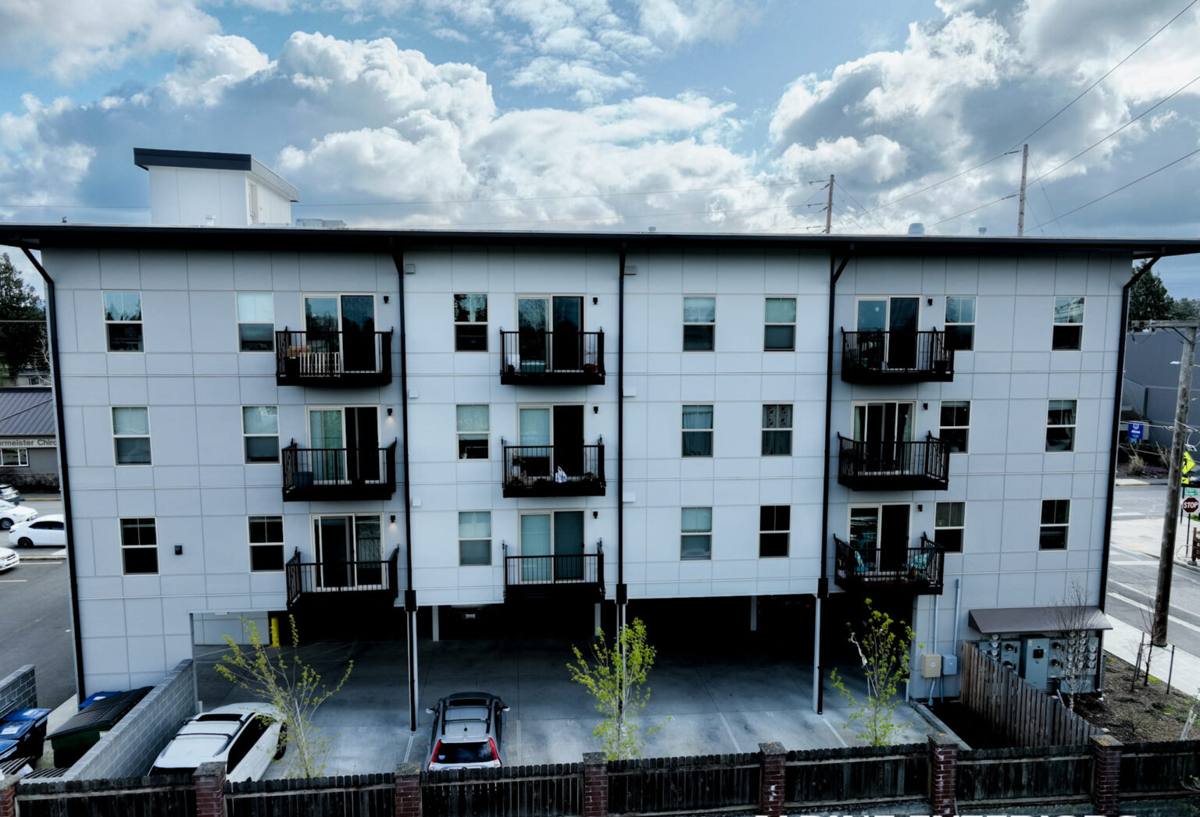
What Siding In This Neighborhood Actually Has to Do
Stand Up to Wind, Not Just Survive It
Pinellas County's wind-load requirements exist because they have to. Gusts strong enough to peel back loose panels or snap fasteners aren't a once-a-decade event here — they're a seasonal reality. Siding that isn't fastened correctly, or that relies on flexible material and adhesive strips instead of mechanical fastening into the substrate, is the siding that ends up in a neighbor's yard after the first serious blow.
Hold Its Color and Structure Under Constant UV
Central Florida sun is relentless. Painted wood and many composite products chalk, fade, or become brittle well ahead of schedule under this kind of year-round UV load. A material that's engineered to resist UV breakdown — not just painted to look good on install day — matters more here than it does in most of the country.
Resist Moisture and Salt Air Without Rotting or Corroding
Wind-driven rain finds every gap in a wall system, and salt air accelerates corrosion on fasteners, trim, and anything not rated for coastal exposure. Homes here need a siding system engineered for moisture cycling — swelling, drying, swelling again — without losing structural integrity or inviting rot behind the panel.
Why We Install Only James Hardie Fiber Cement
We standardized on James Hardie fiber cement siding, full stop. We don't install vinyl, LP SmartSide, Cemplank, Allura, or primed wood siding, and that's a deliberate professional decision, not a sales pitch. Fiber cement is a cement-and-cellulose composite that's non-combustible, dimensionally stable, and — when it's James Hardie specifically — factory-finished with their ColorPlus coating system rather than field-painted. That factory finish is baked on and cured under controlled conditions, which gives it meaningfully better UV and fade resistance than site-applied paint.
James Hardie also builds climate-specific product lines. Their HZ5 formulation is engineered for hot, humid, high-moisture regions like the Gulf Coast of Florida — it's not the same product sold in a dry climate. Combined with a strong transferable warranty and a track record that goes back decades when the product is installed to the manufacturer's specifications, that's why it's the only fiber cement we put on a home. We'd rather do fewer products well than offer every option and stand behind none of them equally.
What a Correct Fiber Cement Installation Actually Involves
Fiber cement is unforgiving of shortcuts. It performs exactly as well as it's installed, and no better. A correct installation in this climate includes:
- Proper starter strips and a drainage plane behind the siding, not direct-to-sheathing installation
- Correct fastener type, length, and spacing driven into structural framing, not just sheathing
- Manufacturer-specified clearances at grade, roof lines, and horizontal trim to keep water moving away from the wall
- Caulked and primed cut edges wherever a factory edge has been trimmed on site
- Flashing integrated at every window, door, and penetration — not caulk used as a substitute for flashing
- Panel joints staggered and backed correctly so they don't become a wicking point for moisture
- Corrosion-resistant fasteners and trim hardware appropriate for coastal salt exposure
Skip any one of these and you can still end up with siding that looks right for a while and fails early anyway — usually at the seams, the trim returns, or wherever water was allowed a path in.
Our Process for Land O' Lakes Fiber Cement Projects
1. On-Site Assessment
We walk the home, check the current wall condition, identify any moisture or rot already present behind the existing siding, and look at wind exposure, drainage, and trim conditions specific to that lot.
2. Removal and Substrate Check
Old siding comes off and we inspect the sheathing underneath before anything new goes up. Any water damage or compromised substrate gets addressed first — covering over a problem with new siding just delays and hides it.
3. Weather Barrier and Flashing
A correct drainage plane and flashing package go in at every penetration point before a single piece of Hardie board is installed. This step is invisible once the job is finished, and it's the single biggest factor in whether the wall stays dry for the next 30 years.
4. Hardie Panel Installation
Panels are installed to manufacturer fastening specifications, with correct clearances and staggered joints, using the HZ5 product line suited to this region's humidity and moisture profile.
5. Trim, Caulking, and Final Detailing
Corner boards, trim, and any field-cut edges are sealed and finished per spec. This is where a rushed job shows first, so it's the stage we spend the most deliberate time on.
6. Final Walkthrough
We review the completed work with the homeowner, point out anything they should know about the specific product and finish on their home, and go over what routine maintenance looks like.
What Affects the Cost of a Fiber Cement Project
Every home is different, but the same handful of factors drive most of the cost variation we see on fiber cement projects in this area:
| Factor | Why It Matters |
|---|---|
| Home size and wall complexity | More corners, gables, and dormers mean more cutting, trim, and labor time |
| Substrate condition | Rot or moisture damage found during removal has to be repaired before new siding goes on |
| Existing siding type | Some materials are more labor-intensive to remove and dispose of than others |
| Product line and profile | Lap width, texture, and factory finish options affect material cost |
| Trim and accessory scope | Corner boards, fascia, soffit, and window trim add material and labor beyond the field panels |
| Access and site conditions | Lot size, landscaping, and setbacks affect staging and crew efficiency |
We give straightforward, itemized estimates rather than a single vague number, so you can see exactly what's driving the price.
Maintenance: What Homeowners Actually Need to Do
One of the real advantages of factory-finished fiber cement is how little upkeep it needs compared to field-painted siding. It's not zero maintenance, though. Expect to:
- Rinse the exterior periodically to clear salt residue and pollen buildup
- Inspect and re-caulk trim joints and penetrations every few years, since caulk ages faster than the panel itself
- Keep gutters and downspouts clear so water isn't dumping directly onto siding or trim
- Watch for any soft spots at grade level, which usually signal a drainage issue rather than a siding failure
None of this is unusual for exterior maintenance in a coastal Florida climate — it's just less demanding than what field-painted wood or composite products typically require.
Why Hiring a Crew That Already Works in Land O' Lakes Matters
Wind-load requirements, permitting expectations, and inspection standards in Pinellas County aren't identical to every county in Florida, and a crew that works this area regularly already knows the local expectations instead of learning them on your project. Local experience also means we've seen how homes here actually age under this specific combination of wind, UV, and salt exposure — not a generic climate zone, but this one. That translates into better judgment on flashing details, trim selection, and where a home's specific exposure calls for extra attention.
It also means faster response if something needs a follow-up look after a storm season. A contractor working from outside the area is a lot less practical to reach for a warranty check or a quick inspection than one already working jobs down the street.
Ready to Talk About Your Home
If you're weighing a siding replacement in Land O' Lakes or anywhere else in the Oldsmar area, we're glad to take a look and give you a straightforward, no-pressure estimate — what your home needs, what it would involve, and what it would cost. Use the form below to get started.