 Oldsmar Siding
 Building a Deck That Actually Holds Up in Land O' Lakes
A deck in Land O' Lakes doesn't live an easy life. Between the intense year-round Florida sun, the wind-driven rain that comes with our summer storm pattern, and the humidity that never really lets up, outdoor structures here take a beating that most national deck-building guides don't account for. We build and repair decks for homes in this part of the Tampa Bay region, and the difference between a deck that looks good for two years and one that holds up for two decades almost always comes down to decisions made before the first board goes down — the framing, the fasteners, and the material choices, not just the finished look.
This page is specifically about custom deck construction for Land O' Lakes homeowners. If you're comparing materials, trying to figure out what a realistic budget looks like, or just want to know what separates a properly built deck from one that's going to give you problems in a few summers, this is written for exactly that.
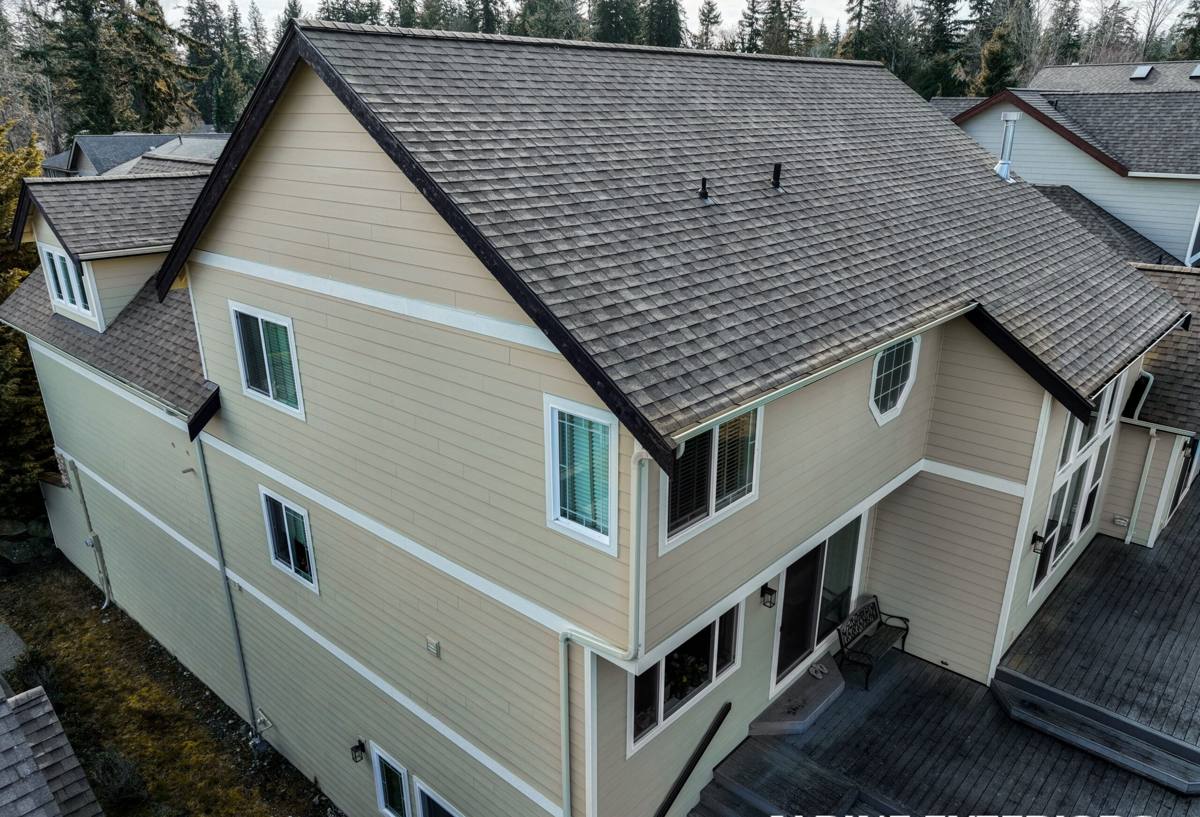
What Local Conditions Demand From a Deck
Sun and Heat
Direct Florida sun is hard on any exposed material. UV exposure breaks down the surface fibers of wood, fades stains and finishes faster than in milder climates, and causes lower-grade composite decking to chalk or discolor over time. A deck built without UV-stable finishes or UV-rated composite material will show its age quickly here, regardless of how well it was installed.
Humidity and Wind-Driven Rain
Humidity keeps moisture in wood longer than it would sit in a drier climate, which is exactly the environment rot, mold, and fastener corrosion need to take hold. Add wind-driven rain from seasonal storms, which pushes water sideways into joints, ledger connections, and under railings that would otherwise stay dry, and you have a structure that needs real moisture management — proper flashing, ventilation under the deck, and hardware rated for wet, corrosive exposure — not just good-looking boards on top.
Storm-Force Wind
This region sees hurricane-force wind events, and a deck attached to your home is part of your home's structural envelope during a storm. Railing posts, ledger board attachment, and joist hangers all need to be sized and fastened to handle uplift and lateral load, not just support foot traffic on a calm day.
Decking Material Comparison
There's no single "best" decking material — the right choice depends on your budget, how much upkeep you're willing to do, and how the deck will be used. Here's how the common options actually perform in a Land O' Lakes climate.
| Material | Upfront Cost | Maintenance | Heat & UV Behavior | Realistic Lifespan Here |
|---|---|---|---|---|
| Pressure-treated pine | Lowest | Re-sealing every 1-2 years | Fades and grays quickly without upkeep | 10-15 years with regular maintenance |
| Tropical hardwood (e.g. ipe) | High | Periodic oiling to maintain color | Naturally dense, handles heat and moisture well | 20-25+ years |
| Capped composite | Mid to high | Occasional washing, no sealing/staining | Cap layer resists fading and moisture absorption | 25-30 years |
| PVC decking | Highest | Lowest — no sealing, minimal washing | Fully synthetic, doesn't absorb moisture at all | 25-30+ years |
Uncapped, budget-tier composite decking is worth calling out on its own: early generations of composite had a reputation for fading, staining, and even mold growth in humid climates because the wood fiber in the mix was exposed to moisture. Modern capped composite and PVC products solve that with a protective outer layer, which is why we steer clients toward capped or PVC products for anything staying outdoors year-round in this climate — it's a maintenance and moisture-behavior decision, not a brand preference.
Framing: The Part Nobody Sees, and the Part That Matters Most
The decking boards get all the attention, but the framing underneath is what determines whether a deck is actually safe and long-lasting. In our climate, that means:
- Pressure-treated joists and beams rated for ground contact where applicable, even if the deck sits above grade
- Proper joist spacing for the decking material chosen — composite and PVC often require tighter spacing than solid wood
- Stainless steel or coated deck screws and structural fasteners rated for exterior, high-moisture use — standard interior-grade hardware corrodes fast here
- Joist hangers and structural connectors sized for wind uplift, not just vertical load
- A properly flashed ledger board connection where the deck attaches to the house, to stop water intrusion into the home's structure
A deck can look finished and still fail on the framing side. This is the part of the job that's easy to shortcut and hard to inspect once it's covered — which is exactly why it matters who's building it.
Railings and Hardware Built for Wind Exposure
Railings are a code and safety requirement, but in a storm-prone area they're also a structural component. Post attachment, baluster spacing, and railing height all have to meet local building code, and the hardware holding it all together needs to be corrosion-resistant — standard zinc-coated fasteners will rust and weaken well before a stainless or coated equivalent would. We size and fasten railing systems to handle real wind load, not just to pass a casual glance.
Our Process, Start to Finish
1. On-Site Estimate
We walk the site, talk through how you'll actually use the deck (entertaining, grilling, a quiet spot off a bedroom, pool access), and take measurements. This is also where we talk through material options honestly, including trade-offs in cost and upkeep.
2. Design and Material Selection
We put together a layout and material plan suited to sun exposure, drainage, and how the deck ties into your home. If part of the deck sits in heavy sun most of the day, that changes what we'd recommend versus a shaded section.
3. Permitting
New decks and most deck rebuilds require a building permit. We handle the permit submission and coordinate inspections so you don't have to navigate that process yourself.
4. Construction
Framing first, inspected before it's covered, then decking, railings, and any stairs or finishing details. We keep the site clean and communicate on timeline as we go.
5. Final Walkthrough
We walk the finished deck with you, cover any care recommendations specific to the material you chose, and make sure everything meets what we discussed at the estimate.
Permits and Local Code Considerations
Land O' Lakes sits in Pasco County, and like most of the Tampa Bay area, deck construction here is subject to Florida Building Code wind-load requirements along with county permitting and inspection. That means railing height and spacing, footing depth, and structural connections all have to meet specific standards — not just "look sturdy." Skipping the permit process might seem like a shortcut, but it creates real problems later: unpermitted structures can complicate a home sale, cause issues with insurance claims after storm damage, and in some cases have to be torn out and rebuilt to code. We pull permits as a standard part of the job, not an upsell.
Maintaining a Deck in This Climate
Whatever material you choose, a little regular attention goes a long way in a climate this demanding. A basic maintenance rhythm:
- Rinse off pollen, dirt, and organic buildup every few months — it holds moisture against the surface
- Check and re-seal or re-stain wood decking on the schedule the product calls for, typically every 1-2 years
- Inspect fasteners and railing connections annually for corrosion or loosening, especially after storm season
- Keep gutters and downspouts directing water away from the deck's footings and framing
- Trim back landscaping that keeps the underside of the deck shaded and damp longer than it needs to be
Questions Worth Asking Before You Hire
- Are you licensed and insured to build decks in this county?
- Will you pull the permit, or is that on me?
- What fastener and hardware grade do you use, and is it rated for coastal/humid exposure?
- Can you show me the framing before it's covered by decking?
- What's the realistic maintenance schedule for the material we're choosing?
Why It Matters Who Builds It
Deck-building looks simple from the outside — posts, joists, boards, railing — which is exactly why it's an area where corners get cut without a homeowner ever knowing until years later, usually in the form of soft spots, rust streaks, or a railing that flexes more than it should. A crew that regularly builds and repairs decks in this part of the Tampa Bay area has already seen how sun exposure, humidity, and storm wind play out on real structures here over time, and builds accordingly from the start — not as a fix after something fails.
If you're planning a new custom deck or need an honest look at repairing or replacing one, we're happy to come take a look. There's a free, no-pressure estimate form below — reach out and we'll walk through your options.