 Oldsmar Siding
 Why Land O' Lakes Homes Need Siding Built for This Climate
Homes in the Land O' Lakes area sit squarely in a part of Florida where the exterior of a house works hard every single day. Hurricane-force winds test how well siding is fastened down. Intense, nearly year-round UV breaks down pigments and resins in lesser materials. Wind-driven rain finds every gap in flashing and trim. And salt-laden air moving inland off the Gulf accelerates corrosion and finish breakdown on anything not engineered to resist it. None of this is unique to one street or subdivision — it's the reality for every home in this part of Pinellas and Pasco County, and it's exactly why we only install James Hardie fiber cement siding.
Siding that was designed for a mild, dry climate somewhere else simply doesn't hold up the same way here. James Hardie engineers specific product formulations for high-humidity, storm-exposed regions like ours, and that engineering is the difference between a siding job that looks good for a couple of seasons and one that still looks good in fifteen years.
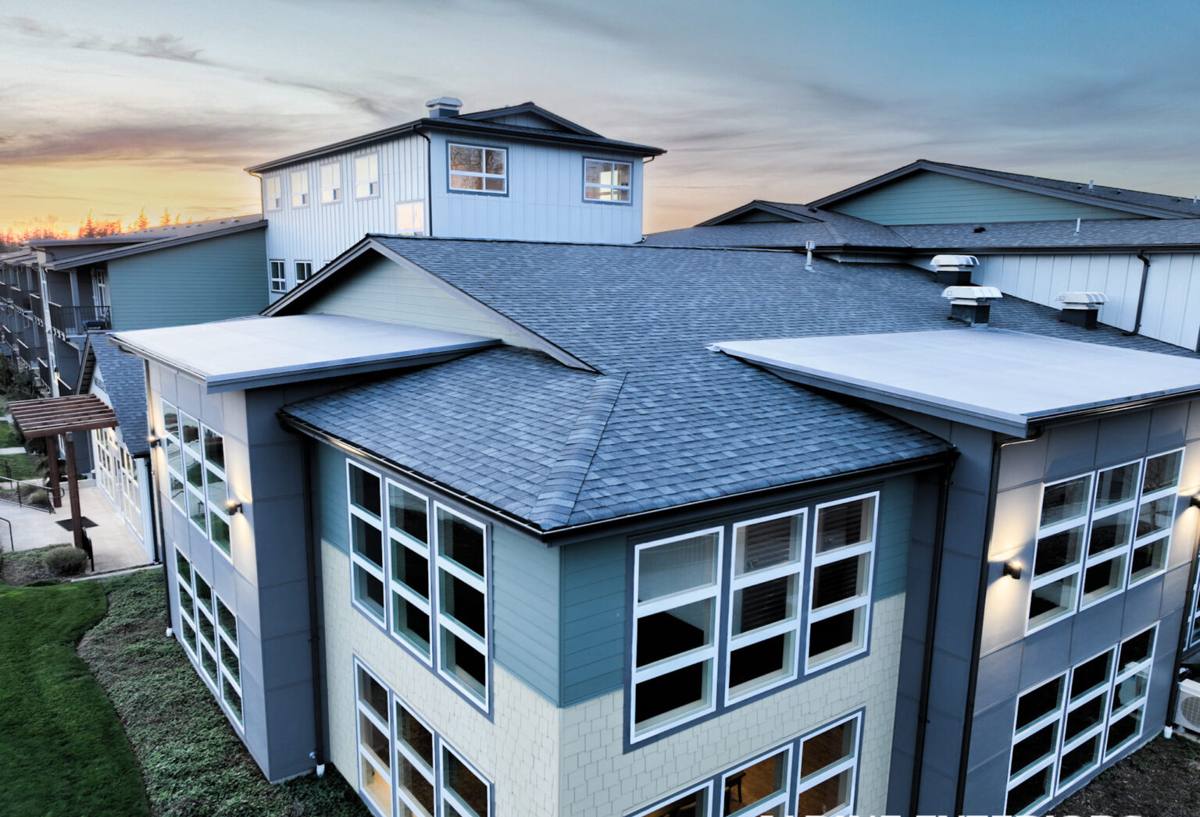
What James Hardie Siding Delivers That Other Materials Don't
Non-Combustible Fiber Cement
James Hardie siding is made primarily from cement, sand, and cellulose fiber. It doesn't ignite, warp from heat, or provide fuel to a fire the way some other exterior claddings can. For homeowners thinking about long-term risk — not just curb appeal — that's a meaningful advantage that vinyl and wood-based products can't match.
ColorPlus Factory Finish
Rather than relying on field-applied paint that starts breaking down as soon as it's exposed to Florida sun, James Hardie's ColorPlus finish is baked on in a controlled factory process. It resists fading and chipping far better than site-applied paint, which matters enormously in a climate that gets intense, direct UV exposure nearly every day of the year.
HZ5 Engineering for Our Climate Zone
James Hardie makes region-specific product lines, and homes in our part of Florida call for the HZ5 formulation — engineered specifically for high-humidity, high-moisture environments. It's manufactured to resist moisture-related damage in a way that a one-size-fits-all siding product cannot, which is a big part of why we don't substitute in a cheaper, generic fiber cement or a non-climate-rated alternative.
What a Correct James Hardie Installation Actually Involves
The material is only half the equation. Fiber cement siding is unforgiving of shortcuts, and most siding failures we get called out to inspect trace back to installation errors, not the product itself. A correct install follows James Hardie's published fastening, clearance, and flashing specifications to the letter — every time, not just when it's convenient.
- Proper starter strip and level first course, so every subsequent row lines up correctly
- Correct fastener type, spacing, and embedment depth for our wind exposure category
- Manufacturer-specified clearance from rooflines, decks, and grade to prevent moisture wicking
- Housewrap or weather-resistive barrier installed and lapped correctly before any siding goes up
- Flashing integrated at every window, door, and penetration — not just caulk covering a gap
- Factory-cut and field-cut edges properly sealed per James Hardie's guidelines
- Joints and seams treated with the correct sealant, not a generic caulk substitute
Why This Level of Detail Matters Here Specifically
In a region that sees wind-driven rain and periodic tropical systems, a siding installation with even a few of these details skipped can let water behind the cladding. Once moisture gets trapped against sheathing in our humidity, problems compound quickly. Doing it right the first time is far cheaper than fixing it after the fact.
Common Installation Mistakes We See — and Why They Fail Here
Because fiber cement has become popular, a lot of crews now install it without full manufacturer training. In a climate like ours, mistakes that might go unnoticed for years in a drier region show up much sooner.
| Mistake | Why It's a Problem in This Climate |
|---|---|
| Nailing too tight or into the wrong zone of the plank | Restricts natural expansion/contraction, leading to cracking as humidity swings |
| Skipping proper clearance at grade or roofline | Traps moisture against the board during our frequent heavy rain events |
| Using ordinary latex caulk at all joints instead of manufacturer-approved sealant | Breaks down faster under intense UV and repeated wet-dry cycling |
| Not lapping or taping the weather barrier correctly | Allows wind-driven rain to reach the sheathing during storms |
| Cutting boards without sealing exposed edges | Exposes raw fiber cement to moisture intrusion at the cut |
Our Process for Land O' Lakes Homeowners
We keep the process straightforward and transparent, from the first visit through final walkthrough.
1. On-Site Assessment
We inspect your current siding or sheathing condition, check for existing moisture damage, and evaluate wind exposure specific to your home's site and orientation.
2. Product and Profile Selection
We walk through James Hardie's HZ5 lines, plank profiles, and ColorPlus color options so you choose what fits your home's style and your budget — not what's easiest for us to install.
3. Prep and Weather Barrier Installation
Old material is removed where needed, sheathing is inspected and repaired if compromised, and a proper weather-resistive barrier is installed and correctly lapped before a single piece of siding goes up.
4. Installation to Manufacturer Spec
Our crews install to James Hardie's published fastening, clearance, and flashing requirements — the same requirements that keep the manufacturer's warranty valid.
5. Final Walkthrough
We review the completed work with you directly and confirm everything matches what was agreed on before we consider the job finished.
What Drives the Cost of a James Hardie Project
Every home is different, so we don't quote broad, generic pricing — but these are the main factors that move a project's cost up or down.
| Factor | Cost Impact |
|---|---|
| Full tear-off vs. installing over existing sheathing | Higher — tear-off adds labor but is often necessary if sheathing is damaged |
| Home size and number of stories | Higher — more square footage and access complexity increases labor time |
| Plank profile and trim detail (lap siding vs. board-and-batten vs. shingle-style accents) | Moderate — more intricate profiles and trim take more time to install correctly |
| Number of windows, doors, and penetrations | Moderate — each one needs proper flashing and detail work |
| Extent of existing moisture or sheathing damage | Variable — repairs found during tear-off are priced separately from the siding itself |
| Color selection (ColorPlus factory finish vs. field-painted) | Low — factory finish costs a bit more upfront but saves repainting costs long-term |
Maintenance and Longevity After Installation
One of the practical advantages of James Hardie siding, especially in a climate like ours, is how little ongoing maintenance it needs compared to wood-based or vinyl products. It won't rot, and it doesn't require repainting on the schedule that field-painted wood siding does. That said, a few basics keep it performing as designed:
- Rinse the exterior periodically to remove salt residue and airborne grime
- Inspect caulking at joints and trim annually, especially after storm season
- Address any impact damage promptly so moisture can't get behind the board
- Keep gutters and downspouts functioning so water isn't dumping directly onto siding
Installed correctly, James Hardie siding is built to hold its finish and structural integrity for decades — but that longevity depends entirely on the installation quality underneath it, which is why we're selective about how we do this work.
Why Hiring a Crew That Already Works in Land O' Lakes Matters
Siding installation isn't just about the product — it's about understanding the specific wind exposure, humidity load, and storm patterns of the area a home sits in. A crew that regularly works homes in and around Land O' Lakes and the broader Tampa Bay region already understands local wind-load expectations, typical sheathing conditions found in homes of this area's age and construction, and how to sequence a job around our rainy season instead of getting caught mid-installation by a storm. That local familiarity translates directly into fewer surprises and a tighter, more weather-tight installation.
It also matters when it comes to warranty support. James Hardie's transferable warranty is only as good as the installation behind it — a contractor who understands the manufacturer's requirements in detail, and who's accountable to homeowners in this specific area, is what stands behind that warranty in practice.
If you're weighing siding options for a home in the Land O' Lakes area, we're happy to walk your property, answer questions honestly, and provide a free, no-pressure estimate using the form below.