 Oldsmar Siding
 Feather Sound Homes Face a Specific Set of Exterior Problems
Feather Sound sits in a part of Pinellas County where the exterior of a house works harder than it does almost anywhere else in the country. Homes here catch sustained onshore wind off Tampa Bay, take direct sun for most of the year, and absorb salt-laden moisture in the air even when there's no storm in the forecast. None of that is dramatic on any single day. It's the accumulation, year after year, that separates siding systems that hold up from siding systems that quietly fail from the inside out.
We install James Hardie fiber cement siding exclusively, and we do it because it's the only siding system we're willing to put our name behind in this climate. This page is specifically about what that means for Feather Sound homes — not siding in general, but the product, the installation details, and the process that actually matter for houses in this part of Pinellas County.
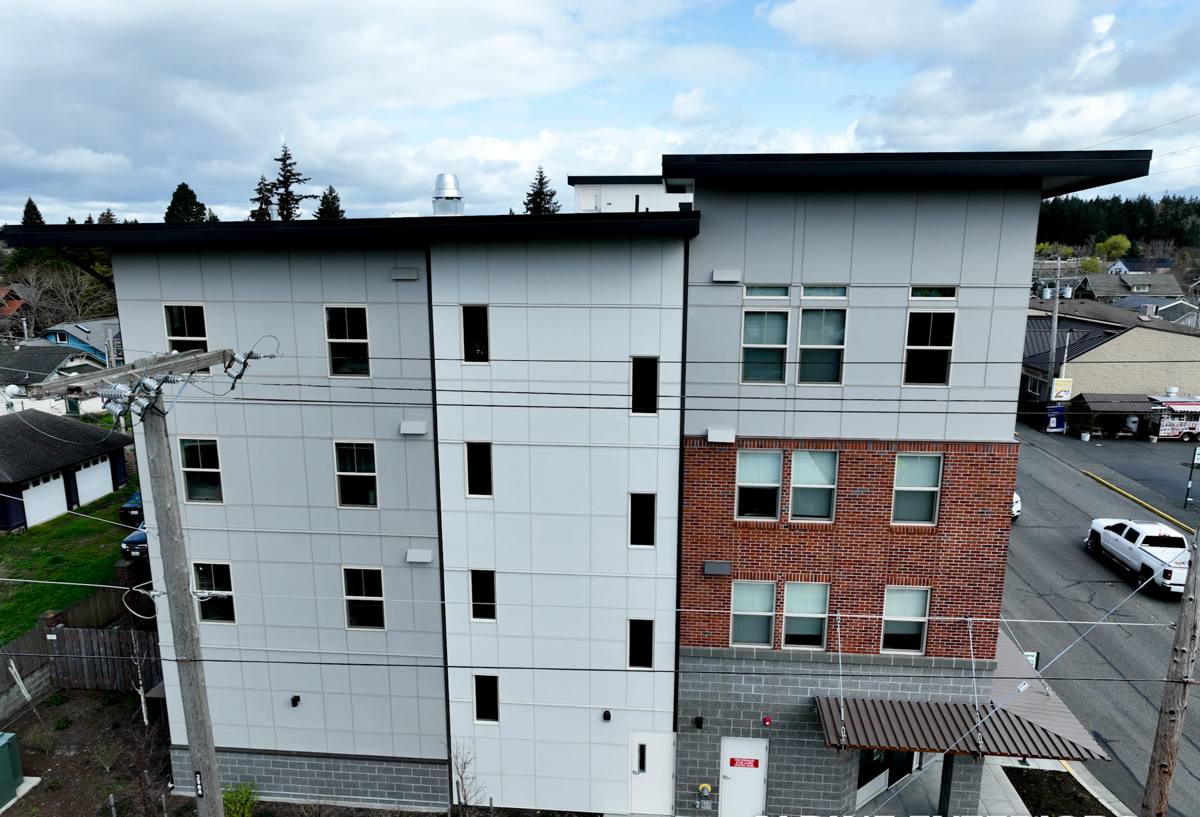
What Wind, UV, and Salt Air Actually Do to Siding
Hurricane-Force Wind
Wind doesn't just push on siding — it gets underneath it. Every gap, loose panel edge, or under-fastened piece becomes a place where wind pressure can pry material away from the wall. In a storm, that's the difference between siding that stays put and siding that peels off in sheets. The fix isn't a stronger material alone; it's correct fastening patterns, proper clearances, and flashing details that don't give wind anywhere to grab.
Year-Round UV
Florida sun doesn't take a season off. Constant UV exposure breaks down pigments and surface coatings over time, which is why so many painted exteriors in this area fade unevenly, chalk, or need repainting well ahead of schedule. A siding product's finish matters as much as the material underneath it.
Wind-Driven Rain and Salt Air
Rain that's being pushed sideways by wind finds every seam, lap, and penetration point in a wall system. Combine that with salt air, which accelerates corrosion of fasteners and metal flashing, and you get a slow-motion moisture problem that often isn't visible until it's already caused rot or damage behind the siding. Coastal-adjacent communities like Feather Sound see this play out more than inland neighborhoods do.
Why We Standardized on James Hardie for This Climate
James Hardie fiber cement is engineered specifically to resist the conditions above. It's non-combustible, it doesn't swell or rot the way wood-based products can when moisture gets behind them, and it holds a factory-applied ColorPlus finish that's baked on rather than field-painted, which matters enormously under constant Florida UV. Hardie also makes climate-specific HZ product lines, and for a bay-adjacent, high-wind area like Feather Sound, that engineering distinction is not a marketing detail — it changes how the product performs over a 20- or 30-year span.
We get asked why we don't also offer vinyl, LP SmartSide, Cemplank, Allura, or primed wood siding. The honest answer is that each of those products asks a homeowner to accept a trade-off we're not comfortable installing in this climate: vinyl can deform under sustained heat and doesn't hold up structurally in high wind the way fiber cement does; wood-based composite siding is more sensitive to sustained moisture exposure; and other fiber cement brands don't offer the same factory finish warranty or the climate-engineered product lines Hardie does. We'd rather install one product well than offer five and hope they all hold up equally.
Choosing the Right Hardie Line for a Feather Sound Home
James Hardie makes several distinct siding profiles, and the right one depends on the home's architecture and how much of the wall is exposed to direct weather.
| Hardie Product | Best For | What It Offers |
|---|---|---|
| HardiePlank Lap Siding | Most single-family homes | Traditional lap profile, widest color and texture selection |
| HardieShingle | Accent areas, gables | Staggered or straight shingle look without wood's moisture sensitivity |
| HardiePanel | Modern or vertical-style facades | Clean vertical lines, often paired with board-and-batten trim |
| HardieTrim | Corners, window and door surrounds | Matches the siding finish, resists the rot common with wood trim |
For a house exposed to direct bay wind and rain, we'll also talk through Hardie's engineered zone (HZ5) specification, which is built for the wind and moisture demands of markets like ours, versus standard HZ10 specifications used in milder climates. Getting this match right at the estimate stage avoids problems later.
What a Correct Installation Actually Involves
Fiber cement siding is only as good as its installation. Most siding failures we're called out to inspect in this area aren't material failures — they're installation shortcuts that eventually let wind or water in. A correct install includes:
- Manufacturer-specified fastener type, spacing, and penetration depth — not a generic nail schedule
- Proper clearance between the bottom of the siding and roof lines, decks, and grade to keep water from wicking upward
- Correctly lapped and sealed house wrap or weather-resistive barrier behind every panel
- Flashing at every window, door, and penetration, installed to shed water outward, not trap it
- Caulking only where Hardie's specifications call for it — over-caulking traps moisture just as badly as under-caulking
- Panel and joint layout planned to minimize seams on the most wind- and rain-exposed elevations
Every one of those details is invisible once the job is finished. That's exactly why they matter — nobody catches a bad flashing detail from the curb, but everybody eventually finds out if it was done wrong.
What We Often Find on Older or Poorly Installed Siding
When we're called to a Feather Sound home for an inspection or replacement estimate, a handful of issues show up repeatedly: fastener corrosion from salt air working through unsealed penetrations, soft or delaminating trim where wood products were used at corners, paint failure and chalking on field-painted siding that never had a factory finish, and water staining at the bottom courses where clearance from grade or roofing was never set correctly. None of these are unusual — they're the predictable result of this climate meeting an installation that didn't account for it. It's also why we don't treat siding replacement as a cosmetic upgrade only; it's a chance to correct whatever let moisture or wind in the first time.
Our Process for a Feather Sound Project
- On-site assessment — we look at current siding condition, wall assembly, moisture history, and wind exposure by elevation before recommending anything.
- Product and line selection — matching HardiePlank, HardieShingle, or HardiePanel, plus HZ specification, to the home's exposure and style.
- Written scope and estimate — clear on what's included: tear-off, house wrap, flashing, trim, fasteners, and finish.
- Installation to manufacturer spec — fastening, clearances, and flashing done to Hardie's published requirements, not shortcuts.
- Final walkthrough — checking seams, caulking, trim lines, and clearances before we call the job done.
Because we work this area regularly, we already know the wind and moisture patterns that matter for homes near the bay — we're not learning the local climate on your project.
What Affects the Cost of a Hardie Siding Project
| Factor | Why It Matters |
|---|---|
| Home size and wall complexity | More corners, gables, and dormers mean more trim work and labor |
| Current siding removal | Tear-off and disposal of existing material adds scope |
| Underlying wall condition | Rot or moisture damage found during tear-off needs repair before new siding goes on |
| Product line and profile | HardieShingle accents and custom trim cost more than straight HardiePlank runs |
| Color and finish choice | ColorPlus factory finishes vary in price by color selection |
| Wind zone specification | HZ5-rated installation detailing for bay-exposed elevations can affect labor scope |
We don't publish a flat price because these factors genuinely change the scope from house to house — a proper estimate requires seeing the home. What we can tell you upfront is that we quote in writing, with the product line and installation details spelled out, so there's no guessing what you're paying for.
Maintaining Hardie Siding in a Bay-Adjacent Climate
- Rinse siding periodically to clear salt residue, especially on elevations facing the water or prevailing wind
- Inspect caulking at trim and penetration points annually — replace where it's cracked or pulled away
- Keep irrigation heads and sprinklers from spraying directly on siding, which accelerates mineral buildup
- Trim landscaping back from siding to maintain airflow and reduce trapped moisture
- Watch for chalking or color change at the 15+ year mark, which may signal it's time to discuss ColorPlus refinishing options
- After major storms, check for loose panels, damaged trim, or lifted flashing rather than waiting for the next inspection cycle
Why a Crew That Already Works Feather Sound Matters
Siding installation quality depends on details that a generic crew, unfamiliar with wind-driven rain and salt air, can easily miss — because those failure modes simply don't show up the same way in drier, calmer climates. A crew that regularly installs Hardie in Pinellas County already builds fastener schedules, flashing details, and clearance standards around this specific set of conditions, instead of applying a one-size-fits-all approach and hoping it holds. That local repetition is what keeps a siding job from becoming a callback five years later.
If you're considering new siding for a Feather Sound home, we're happy to walk the exterior with you, point out anything we see that's already a concern, and put together a clear, written estimate for a correct James Hardie installation — no pressure, no obligation. Use the form below to request a free estimate.