 Oldsmar Siding
 Feather Sound Sits in a Tough Spot for Exterior Siding
Feather Sound sits along the water in the Tampa Bay area near Oldsmar, and that waterside location cuts both ways. It's a big part of why the neighborhood is desirable, and it's also why siding here works harder than siding a few miles inland. Homes close to the bay deal with a steady mix of humidity, salt-laden air, and wind exposure that doesn't let up with the seasons the way it might further north. When we talk with Feather Sound homeowners about siding, the conversation almost always starts with one of three problems: paint that's failed early, boards that are soft or delaminating at the bottom edge, or a general sense that the exterior looks tired years before it should.
None of that is unusual for Pinellas County. It's just physics. Wood-based and wood-adjacent siding products absorb moisture, and once that cycle of wetting and drying starts, it doesn't reverse itself — it accelerates. Add hurricane-season wind-driven rain that gets pushed sideways into every seam and joint, plus year-round UV that's more intense here than in most of the country, and you have an environment that separates well-built siding systems from ones that only look good on the day they're installed.
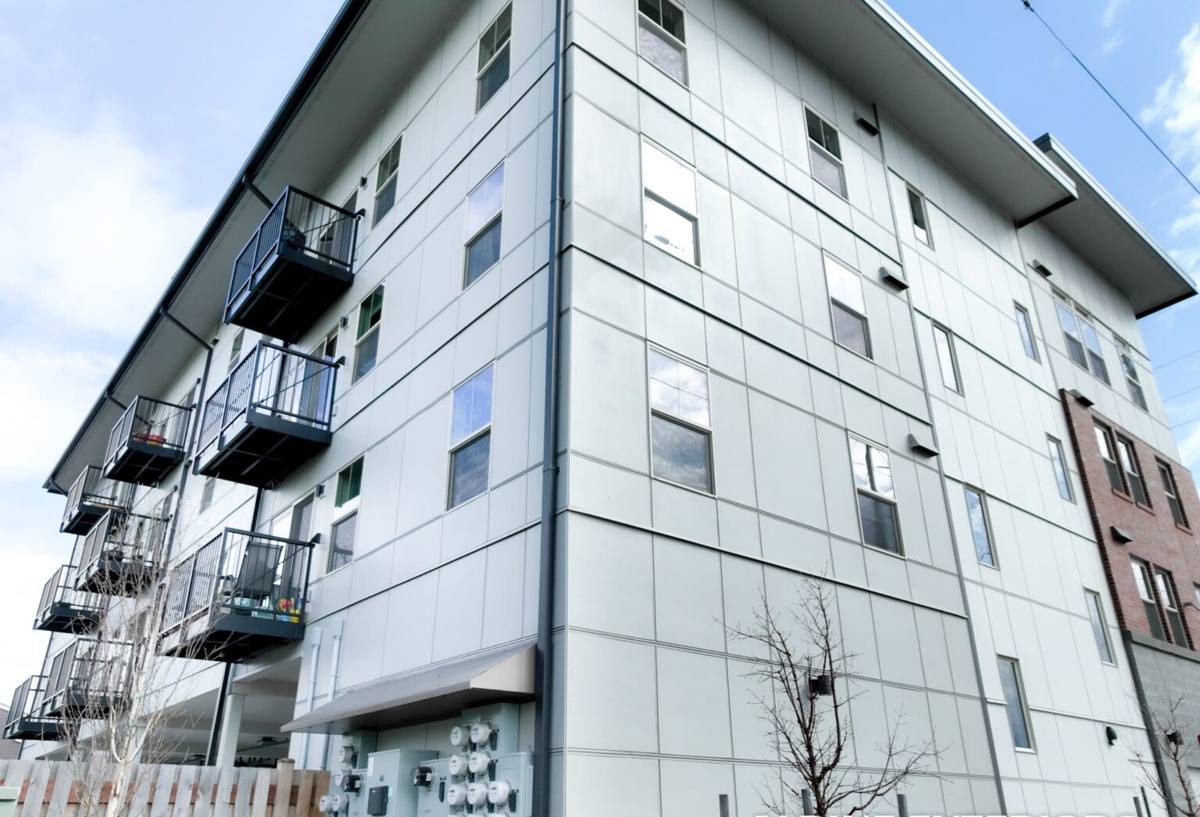
Why We Only Install James Hardie Fiber Cement
We standardized on James Hardie fiber cement siding for every home we work on, including in Feather Sound, and we don't install vinyl, LP SmartSide, primed wood, cedar, or other fiber cement brands like Allura or Cemplank. That's not a marketing position — it's a decision based on what holds up under repeated wet-dry cycling and coastal humidity without babysitting.
Fiber cement is made from cement, sand, and cellulose fibers, which means it doesn't rot, doesn't feed termites or wood-boring insects, and doesn't expand and contract with moisture the way wood-based products do. It's also non-combustible, which matters to insurers and to homeowners who want one less thing to worry about. James Hardie backs its siding with a strong, transferable limited warranty, and its ColorPlus factory-applied finish is engineered to resist fading and cracking far longer than field-applied paint. We've seen enough alternative products fail early in bay-adjacent conditions that we simply stopped installing them.
What "Engineered for Climate" Actually Means
James Hardie makes region-specific formulations rather than one product for the whole country. Homes in the Southeast, including everything we install in Pinellas County, use the HZ10 product line, which is formulated for hot, humid, high-moisture climates. Northern markets get the HZ5 formulation, built around freeze-thaw cycling instead. This distinction matters because it means the siding on a Feather Sound home isn't a generic product — it's built for exactly the conditions it has to survive: humidity, heat, and driving rain off the bay.
What Correct Fiber Cement Installation Involves
Fiber cement siding is only as good as its installation. A quality board installed with the wrong clearances, nailing pattern, or moisture barrier will fail early regardless of the brand on the label — and Feather Sound's exposure means installation mistakes show up faster here than they would in a drier, more sheltered inland neighborhood. A correct job includes:
- A weather-resistive barrier installed behind the siding, lapped correctly to shed water downward and outward
- Minimum ground clearance (typically 6 inches or more) so siding never sits in contact with soil, mulch, or standing water
- Proper fastener type, spacing, and depth — Hardie specifies blind or face nailing patterns, and over-driven or under-driven fasteners both cause problems
- Factory-cut and field-cut edges sealed per manufacturer spec, since raw cut edges are the most common entry point for moisture
- Correct joint treatment and caulking only where Hardie's installation guidelines actually call for it — over-caulking traps moisture just as badly as under-caulking
- Flashing at windows, doors, and any horizontal trim to direct water away from the wall assembly
- Expansion gaps sized correctly at butt joints and around penetrations
Every one of these details is inspectable, and a contractor who's done this correctly on other homes in the area should be able to walk you through each one without hesitation.
Our Process on a Feather Sound Home
Assessment and Estimate
We start by walking the exterior and identifying what's actually happening under the current siding — soft spots, prior water intrusion, trim condition, and how the existing weather barrier (or lack of one) is performing. Bayfront and near-water homes sometimes carry more hidden moisture damage than the surface suggests, so we look closely before quoting anything.
Prep and Removal
Old siding comes off, and we inspect sheathing underneath for rot or damage that needs to be addressed before anything new goes up. Covering up a compromised wall assembly with new siding just hides the problem and shortens the life of the new work.
Weather Barrier and Flashing
A new, correctly lapped weather-resistive barrier goes on, along with flashing at every penetration and horizontal transition. This layer does most of the real work of keeping wind-driven rain out of the wall — the siding itself is the visible layer, but the barrier underneath is what actually protects the structure.
Installation
HardiePlank, HardieShingle, or HardiePanel products go on per James Hardie's published installation specifications — clearances, fastening, and joint treatment included. We don't shortcut these steps to save labor time, because they're the difference between a 30-year installation and a 10-year one.
Final Detail and Walkthrough
Trim, caulking at specified joints only, and a final walkthrough so you understand what was done and why. We want you to be able to look at your own siding and know it was installed correctly, not just take our word for it.
Product Lines and Where They Fit
| Product | Best Use | What It Offers |
|---|---|---|
| HardiePlank Lap Siding | Most Feather Sound homes, traditional and modern styles | Classic horizontal lap look, wide color and texture range |
| HardieShingle | Accent areas, gables, coastal/cottage-style homes | Staggered or straight-edge shingle profile |
| HardiePanel | Modern builds, vertical board-and-batten looks | Large-format vertical panels |
| HardieTrim | Window, door, and corner trim on any of the above | Matches siding durability at high-wear edges |
Cost Factors for a Fiber Cement Project Near the Water
Every home is different, and any number here is a starting point for conversation, not a quote. Broadly, fiber cement siding installed in Florida tends to run in the range of roughly $9 to $16 per square foot installed, with the total shaped by these factors:
| Factor | Why It Matters |
|---|---|
| Condition of existing sheathing | Water-damaged sheathing found during removal needs repair before new siding goes on |
| Home size and wall complexity | More corners, gables, and trim details add labor time |
| Product line and profile choice | Shingle and panel profiles typically cost more per square foot than standard lap |
| ColorPlus vs. field-painted finish | Factory finish costs more up front but eliminates a repaint cycle for years |
| Access and site conditions | Waterfront lots, tight setbacks, or landscaping can affect staging and labor |
Living With Fiber Cement Siding in a Coastal Environment
Once correctly installed, Hardie fiber cement is genuinely low-maintenance compared to wood or vinyl, but "low-maintenance" doesn't mean "no attention needed" — especially this close to the bay. Salt air can leave a film on any exterior surface over time, and periodic rinsing with a garden hose helps keep it from building up. Caulked joints and trim should be checked yearly for cracking or separation, since caulk failure is one of the few maintenance items that's on the homeowner rather than the material itself. If you chose a ColorPlus finish, you're not on the hook for repainting on the same schedule you would be with field-applied paint — that finish is factory-baked for fade and wear resistance well beyond what a brush-applied coat achieves.
Why Local Experience in This Area Matters
A contractor who's worked on homes in and around Feather Sound and the broader Oldsmar area already understands the wind exposure, the humidity load, and the kind of moisture problems that show up in this specific stretch of Pinellas County. That's different from general Tampa Bay experience — bayfront and near-water lots behave differently than inland ones, and a crew that's seen it before will catch problems during tear-off that a less experienced crew might miss. It also means faster, more accurate estimates, because we're not guessing at how this climate treats a wall assembly — we're working from what we've already seen on homes nearby.
If you're weighing a siding replacement or repair in Feather Sound, we're happy to take a look and give you a straightforward, no-pressure estimate — no obligation, just an honest read on what your home actually needs.