 Oldsmar Siding
 Siding That Has to Work in Eastlake Woodlands' Climate, Not Just Look Good
Eastlake Woodlands sits inside Oldsmar, in Pinellas County, on a stretch of the Tampa Bay coastline that gets the full menu of what Florida weather can throw at a house exterior. Homes here deal with hurricane-force wind gusts during tropical systems, intense UV exposure nearly every day of the year, wind-driven rain that gets pushed sideways into wall assemblies, and a steady dose of salt air drifting in off the bay. Any one of those factors will shorten the life of the wrong siding material. Together, they make material choice one of the most consequential decisions a homeowner in this neighborhood makes.
This page is specifically about James Hardie fiber cement siding as it applies to Eastlake Woodlands homes — what the climate demands, what a correct installation actually involves, and why we install this product exclusively rather than offering a menu of options.
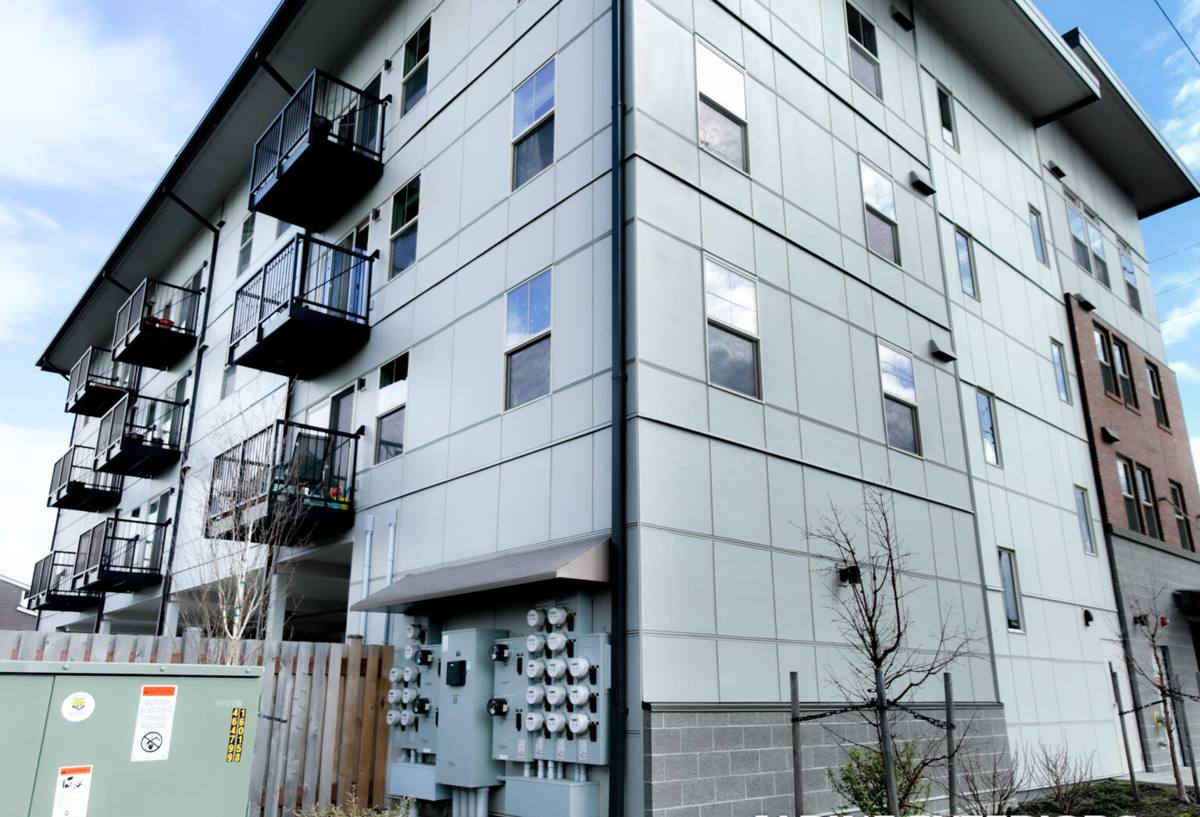
What Sun, Wind, and Salt Actually Do to Exterior Walls
It helps to understand the specific mechanisms at work before talking about the fix.
UV Exposure
Central Florida gets some of the most consistent, high-angle sun exposure in the continental United States. On siding materials with a painted or coated finish, UV breaks down pigment and surface resins over time, leading to fading, chalking, and eventually cracking as the material becomes brittle. Materials that rely on a thin factory coating or a job-site paint job show this wear faster than ones engineered for constant sun.
Wind-Driven Rain
Rain in a Florida thunderstorm rarely falls straight down. Gusty, wind-driven rain gets forced horizontally and even upward into seams, laps, and fastener penetrations. Siding systems that aren't detailed correctly — or that swell and warp when they take on moisture — let water track behind the cladding and into the wall assembly, where it causes rot, mold, and hidden structural damage long before anything looks wrong from the street.
Salt Air
Eastlake Woodlands isn't right on the Gulf, but it's close enough to Tampa Bay that airborne salt is a real factor, especially on homes higher up or more exposed to prevailing winds. Salt accelerates corrosion of metal fasteners and trim, and it can degrade certain coatings faster than inland exposure would.
Hurricane Wind Load
Pinellas County sits in a designated wind zone that requires exterior materials and fastening schedules to meet specific wind-load ratings. Siding that isn't installed to the correct fastener spacing and pattern for the local wind zone can fail under gusts well below what a hurricane can produce — not because the product itself is deficient, but because it wasn't installed to the standard it's rated for.
Why This Company Installs Only James Hardie
We don't offer vinyl, LP SmartSide, Cemplank, Allura, or wood siding, and that's a deliberate standard, not a limitation in what we're capable of installing. James Hardie fiber cement is engineered specifically to hold up against the four stressors above:
- Non-combustible core — fiber cement doesn't burn, melt, or soften in Florida's summer heat the way some polymer-based sidings can.
- ColorPlus factory finish — baked-on, UV-cured color that resists fading far better than field-applied paint, backed by its own finish warranty.
- HZ5 climate-engineered formulation — Hardie's HZ product line is formulated for hot, humid, high-moisture climates like ours, with better resistance to moisture-related swelling and cracking than standard formulations built for drier regions.
- Dimensional stability — fiber cement doesn't expand and contract with humidity swings the way wood-based or some engineered products do, which keeps joints tighter and paint lines cleaner over time.
- Strong transferable warranty — a real, honored warranty that stays with the home if it's sold, which matters in a neighborhood where homes do change hands.
We're not going to tell you every other product on the market is worthless — some of them have real strengths. What we will say is that after years of doing this work on Gulf Coast homes, we stopped installing anything else because we didn't want to keep watching lesser materials fail under exactly the conditions Eastlake Woodlands sees every summer.
How James Hardie Compares on the Factors That Matter Here
| Factor | James Hardie Fiber Cement | Vinyl Siding | Wood / LP-Style Engineered Wood |
|---|---|---|---|
| Hurricane wind rating | High, when installed to Hardie's fastening spec for the wind zone | Lower; can crack or blow off panels under gusts | Moderate; depends heavily on fastening and substrate condition |
| UV / color retention | Excellent with ColorPlus factory finish | Fades and chalks over time; color is molded-through but surface degrades | Requires repainting on a recurring schedule |
| Moisture / rot resistance | Non-organic core; HZ5 formulated for humid climates | Won't rot but can trap moisture behind panels | Vulnerable to swelling, delamination, and rot if moisture gets in |
| Fire resistance | Non-combustible | Can soften or melt near heat sources | Combustible |
| Typical maintenance | Occasional wash, repaint only when the homeowner chooses a new color | Wash; can become brittle and crack with age | Regular repainting/resealing to prevent moisture intrusion |
What a Correct James Hardie Installation Involves
The material is only half the equation. A large share of siding failures we get called out to inspect trace back to installation shortcuts, not the product itself. On an Eastlake Woodlands home, a correct James Hardie job includes:
Substrate and Moisture Barrier Prep
Removing the old cladding down to the sheathing, checking for existing rot or water damage, repairing anything compromised, and installing a code-compliant weather-resistant barrier before a single piece of siding goes up. Skipping this step is one of the most common shortcuts on rushed jobs, and it's the one most likely to cause hidden damage down the line.
Correct Flashing at Every Penetration
Windows, doors, hose bibs, light fixtures, and any other wall penetration need proper flashing so wind-driven rain can't track behind the siding at those points. This is detail work that takes time and can't be shortcut without creating a future leak point.
Fastening to Wind-Zone Spec
James Hardie publishes specific fastener types, spacing, and embedment requirements tied to local wind zones. Pinellas County's wind zone requirements mean the fastening schedule here is not the same as it would be for a home in a low-wind inland region. Following the manufacturer's spec for our zone is what allows the siding to perform in a hurricane, not just look good on a calm day.
Proper Clearances and Gapping
Hardie siding needs specific clearances from grade, roofing, and other trim elements, plus correct gapping at butt joints to allow for the material's minor seasonal movement. Getting these wrong leads to moisture wicking and premature paint failure at the joints.
Caulking and Paint Line Details
Factory-finished ColorPlus material still needs the field-cut edges sealed and touched up correctly, and any caulking used at joints needs to be a product compatible with the finish and rated for exterior, high-UV use.
Our Process for an Eastlake Woodlands Siding Project
Every home in the neighborhood is a little different — lot exposure, existing wall condition, roofline, and HOA aesthetic guidelines all factor in — but the process itself stays consistent:
- On-site inspection of the existing siding, wall sheathing, and any trouble spots (window returns, corners, areas near grade)
- A written estimate that spells out the Hardie product line, profile, and color, plus scope of tear-off and prep work
- Confirmation of any HOA architectural approval steps specific to Eastlake Woodlands, since color and profile choices in the community may need sign-off before work starts
- Permitting through Oldsmar/Pinellas County as required for the scope of work
- Tear-off, sheathing repair where needed, and weather barrier installation
- Installation to James Hardie's published fastening and clearance specs for our wind zone
- Final trim, caulking, and a walk-through before we call the job done
Maintenance After Installation
One of the practical advantages of James Hardie in a climate like this one is how little ongoing maintenance it asks for compared to the alternatives. A periodic rinse to clear off salt residue, pollen, and general grime is generally enough to keep it looking right. Because the ColorPlus finish is factory-applied and UV-cured, homeowners aren't stuck on a repainting cycle just to keep the color from chalking out — repainting becomes a choice if you want a different color, not a requirement to prevent the siding from degrading.
Why Local Experience in This Neighborhood Matters
Eastlake Woodlands has its own mix of home styles and, in many cases, HOA architectural guidelines that govern acceptable colors and profiles. A crew that has already worked in the neighborhood knows what tends to get approved without back-and-forth, understands how the local wind exposure varies from one part of the community to another, and isn't guessing at Pinellas County's permitting and inspection process for the first time on your house. That familiarity translates into fewer surprises, a smoother approval process, and a job that's built to the standard this specific stretch of Florida coastline actually requires.
If you're weighing a siding replacement or repair in Eastlake Woodlands, we're glad to walk your home, look at what's there now, and give you a straight assessment of what James Hardie siding would involve for your specific house — no pressure, no inflated claims, just an honest estimate.