 Oldsmar Siding
 When a Deck in Eastlake Woodlands Needs Replacing, Not Patching
Eastlake Woodlands is one of Oldsmar's more established, tree-shaded communities, and that mix of mature landscaping and decades-old construction creates a specific set of deck problems that don't always show up the way homeowners expect. A deck built here years ago was framed to a different code, with different hardware, and often without much thought given to how much shade, humidity, and storm exposure it would actually see over its lifetime. By the time a deck is showing real wear, the honest answer is frequently that it needs to be replaced rather than patched — and knowing which situation you're actually in is the first thing worth getting right.
This page is about full deck replacement specifically for homes in and around Eastlake Woodlands: what Pinellas County's climate does to a deck over time, what a correct replacement actually involves, and why a crew that already works this neighborhood catches things a crew learning it for the first time can miss.
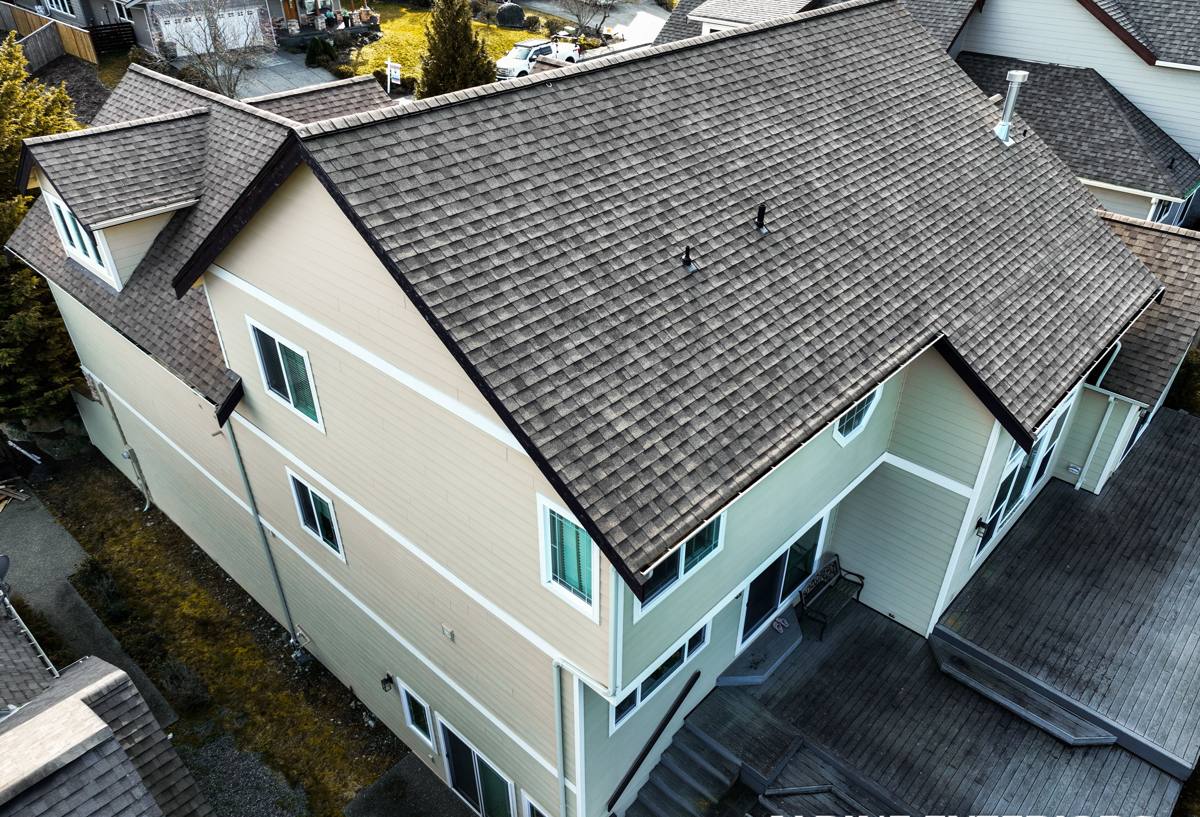
What This Climate Does to an Older Deck
Hurricane-Force Wind
Every deck in this area has to be built to hold up against hurricane-force wind, and that requirement runs through every connection in the structure — the ledger attachment to the house, the joist hangers, the post-to-footing connections, and the railing system. A deck built decades ago, before current wind load standards were in place, is often carrying loads it was never actually engineered for. Replacement is the point where that gets corrected, rather than repaired around.
Year-Round UV Exposure
Florida sun is intense for most of the year, and any part of a deck that gets direct exposure takes a steady beating from it — finishes break down, wood grays and checks, and composite or PVC surfaces can fade unevenly depending on how much shade a given board gets through the day. On a fully open deck, that damage is fairly uniform. On a deck with partial tree cover, which describes a lot of lots in this neighborhood, the wear pattern gets uneven instead, with some boards holding up far longer than others just a few feet away.
Wind-Driven Rain and Storm Moisture
Storm rain here doesn't fall straight down — wind pushes it under railings, along ledger connections, and into gaps that ordinary rain wouldn't reach. Over enough storm seasons, that moisture works its way into framing and fastener points that look fine from the surface. This is one of the main reasons a deck can look presentable right up until an inspection finds the substructure is compromised underneath.
Salt Air Off Tampa Bay and Old Tampa Bay
Oldsmar sits along the water, and salt-laden air moving off the bay settles on metal hardware continuously, not just during storms. Fasteners, joist hangers, and railing brackets corrode faster here than they would further inland, and that corrosion is happening below the surface long before a board actually feels loose. A deck that's due for replacement almost always has hardware that's further along in failure than the visible wood suggests.
Shade, Humidity, and Organic Buildup
Because much of Eastlake Woodlands has real tree canopy, decks here deal with something a barrier-island or fully sun-exposed deck doesn't deal with as much: shade that keeps moisture sitting on the surface longer, plus a steady accumulation of leaves, pollen, and organic debris in the gaps between boards. That combination feeds mold and algae growth, holds humidity against the wood or composite surface, and can clog drainage paths that are supposed to let water move through and off the structure. It's a quieter form of damage than storm wind, but over years it does just as much to shorten a deck's life.
Signs It's Time to Replace, Not Repair
Not every aging deck needs a full rebuild, but there's a point where patching individual problems stops making sense — either because the damage is too widespread, or because the original structure wasn't built to a standard worth preserving. Here's what usually tips the decision toward replacement:
- Soft or spongy decking in more than one isolated spot, suggesting the moisture problem is spread through the structure rather than localized
- Visible corrosion or rust staining at multiple joist hangers or fastener points, not just one or two
- A ledger board connection that shows movement, gapping, or water staining where the deck meets the house
- A deck built before current wind load and fastening standards were adopted, especially if it's never been re-evaluated against them
- Support posts or footings that have shifted, settled, or sit in standing water after rain
- Repeated repairs to the same area of the deck without the underlying cause ever getting fixed
- A desire to change the deck's footprint, material, or layout, which usually makes replacement more practical than repair anyway
| Situation | Repair Usually Makes Sense | Replacement Usually Makes Sense |
|---|---|---|
| Isolated soft board or two, rest of frame sound | Yes | Not yet |
| Corroded hardware scattered throughout the structure | Rarely — piecemeal fixes don't hold | Yes |
| Ledger connection showing gapping or rot | Only if caught very early | Usually — this is a safety-critical connection |
| Deck predates current wind load requirements | Possible short-term, not a long-term fix | Yes, if you want it built to current standards |
| Surface worn but framing solid | Yes — resurfacing over sound structure | Not necessary |
| Wanting a different size, material, or layout | No | Yes |
What a Correct Replacement Actually Involves
Full Tear-Out and Real Inspection Underneath
Replacement starts with removing the old decking, railing, and framing down to what's actually holding the structure up. That's the point where we can see the ledger connection, the footings, and the framing directly, rather than guessing from the surface. It's common to find that the substructure needs more attention than expected once it's exposed — which is exactly why a proper tear-out, not a partial one, matters before any new material goes down.
Building to Current Wind and Attachment Standards
A replacement is the opportunity to correct anything the original deck was missing against today's requirements — proper ledger flashing and lag or through-bolt attachment instead of nails, joist hangers rated for the actual load, footing depth and post connections sized for local wind exposure, and a railing system that's actually attached to structure rather than just to decking. This isn't an upsell; it's the difference between a deck that holds up through the next decade of storm seasons and one that needs attention again in a few years.
Hardware Chosen for Salt Air, Not Generic Stock
Every fastener, hanger, and bracket on a new deck here should be rated for coastal or salt-air exposure — stainless steel or an equivalent coated fastener, not standard-grade hardware that corrodes faster than the wood or decking around it. This is one of the cheapest things to get right at replacement time and one of the most expensive things to have gotten wrong.
Drainage and Airflow Underneath
On shaded lots especially, how water and air move under the deck matters as much as what's on top of it. Grading, gaps, and ventilation underneath the structure need to actually move moisture out rather than trap it, particularly where tree cover keeps the ground and the underside of the deck damp longer after rain.
Permitting Done Correctly
Deck replacement in Pinellas County requires a permit, and if your property is in a deed-restricted community with an architectural review process, that adds a step before permitting even starts. We handle both pieces as part of the job rather than leaving the homeowner to navigate them separately.
Choosing Materials for This Lot
Material choice matters more here than in a lot of markets, because sun exposure, shade, and moisture vary block to block and even lot to lot within the same neighborhood. There's no single right answer — the honest answer depends on how much sun and shade your specific deck actually gets, and how much maintenance you actually want to keep up with.
| Material | How It Handles This Climate | Maintenance |
|---|---|---|
| Pressure-treated wood | Affordable, but sun and humidity shorten the finish life; shaded areas are prone to mold and algae | Regular sealing or staining, more often here than in drier climates |
| Composite decking | Resists rot and insect damage well; some color fade under year-round sun, more even in full shade than full sun | Low — periodic cleaning, no sealing or staining |
| PVC decking | Handles moisture and humidity the best of the common options; performs well on shaded, damp lots | Low — occasional washing |
| Cedar or other natural wood | Attractive but sensitive to Florida's humidity and sun cycle without disciplined upkeep | Highest — regular sealing to prevent checking and graying |
We'll walk through the real trade-offs for your specific lot — how much shade it gets, how close it is to the water, how much upkeep you actually want to do — rather than steering everyone toward the same product.
Our Replacement Process
- On-site inspection of the existing deck, framing, and ledger connection, with a straight assessment of repair versus replacement
- Discussion of material options based on your lot's sun and shade exposure, budget, and maintenance preference
- Permit filing with Pinellas County, plus any HOA or architectural review submission your property requires
- Full tear-out of the old structure and inspection of what's underneath before any new framing is set
- Framing and attachment built to current wind load and connection standards, with coastal-rated hardware throughout
- Decking, railing, and finish work installed to the agreed material and layout
- Final walkthrough and inspection sign-off before the job is considered complete
Keeping a New Deck Performing in This Climate
- Clear leaves and organic debris from between boards regularly, especially on lots with more tree cover
- Rinse off salt residue and buildup periodically rather than letting it sit on hardware and surfaces
- Check railing posts and visible fasteners a couple of times a year, particularly after storm season
- Keep gutters and nearby drainage clear so runoff isn't directed onto or under the deck
- Trim back landscaping that's trapping moisture against the deck edge or blocking airflow underneath
- Reseal or refinish wood decking on a schedule that accounts for Florida's sun and humidity, which is shorter than most manufacturer guidance assumes for milder climates
Why Working This Neighborhood Regularly Matters
Eastlake Woodlands has a particular mix of conditions — mature tree cover, an established building stock, proximity to the bay, and in many cases an HOA or architectural review process that has to be worked into the permitting timeline. A crew that mostly builds decks on open, sunny lots elsewhere in the county can still do solid work, but they're often seeing this specific combination of shade, humidity, and older construction for the first time on your project. Working this neighborhood regularly means we already know what a ledger connection here tends to look like after years of wind-driven rain, what hardware actually holds up against salt air off the bay, and how to sequence permitting with an architectural review process without it stalling the job. That translates into a more accurate estimate up front and fewer surprises once the tear-out starts.
Get a Straight Answer on Your Deck
If your deck is showing its age, or you're just not sure whether it's a repair situation or a replacement situation, we're glad to come take a real look and tell you plainly what we find — including if the honest answer is that it's holding up fine for now. Reach out below for a free, no-pressure estimate.