 Oldsmar Siding
 Deck Building in Eastlake Woodlands
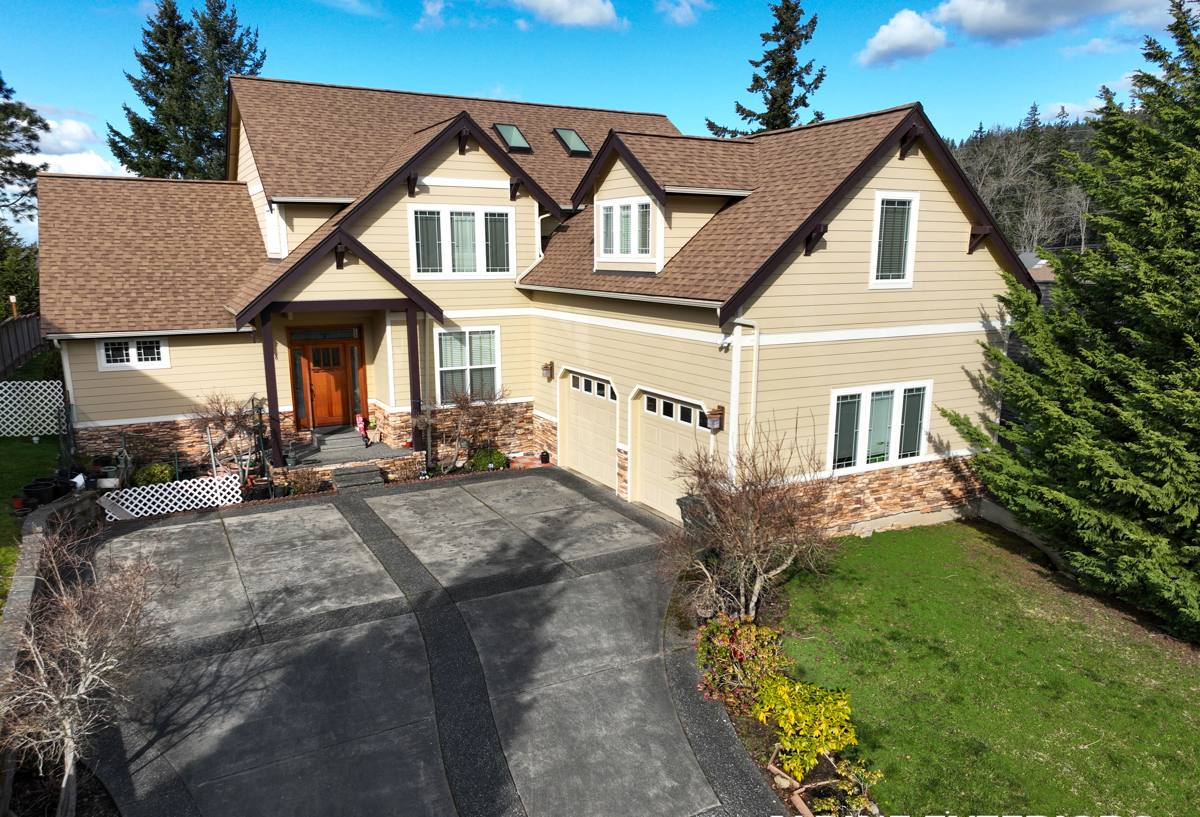
Eastlake Woodlands is one of the more established residential communities on the Oldsmar side of Pinellas County, with a mix of homes old enough to have their original decks reaching the end of useful life and newer homes where owners are adding outdoor living space for the first time. We build and rebuild decks in this neighborhood regularly, and the work here has its own logic. Lot sizes, tree cover, drainage patterns, and HOA expectations all shape what a deck should look like and how it should be built. A deck designed for a dry inland climate, dropped into a Gulf Coast neighborhood like this one without adjustment, will show problems within a few seasons.
This page covers what we actually do when we build a deck for a home in Eastlake Woodlands: the climate factors that drive our material and construction choices, how the process runs from first call to final walkthrough, and what we think homeowners should know before committing to a contractor or a product.
What Oldsmar's Climate Does to a Deck
Pinellas County sits on a peninsula, and that comes with a specific set of stresses on any structure that lives outdoors year-round. A deck in Eastlake Woodlands faces all of the following at once, not just one or two:
- Intense, near-constant UV exposure — sun breaks down wood fibers, fades finishes, and dries out sealants faster than in northern climates.
- Wind-driven rain — Florida rain rarely falls straight down; it drives sideways under railings and into ledger connections and fastener holes if those areas aren't detailed correctly.
- Hurricane-force wind loads — even a deck that never takes a direct hurricane hit needs framing and connections rated for regional wind exposure, because tropical storm-force gusts are a near-annual event here.
- Salt-laden air — Oldsmar isn't beachfront, but it's close enough to Tampa Bay that airborne salt accelerates corrosion on hardware that isn't rated for coastal exposure.
- Humidity and afternoon storms — wood that can't shed water and dry out between storms stays damp longer, which is what invites rot and fungal growth.
None of this is unique to Eastlake Woodlands specifically, but it's the baseline every deck in this part of Oldsmar has to be built against. The decks that fail early in this neighborhood almost always fail for one of these reasons — not because the homeowner did anything wrong, but because the original build didn't account for the environment it was going into.
Choosing a Decking Material for This Climate
There's no single "correct" decking material for every project — it depends on budget, how much upkeep the homeowner wants to do, and how the deck will be used. Here's how the common options actually perform in a Pinellas County backyard:
| Material | Upfront Cost | Maintenance | How It Handles This Climate |
|---|---|---|---|
| Pressure-treated pine | Lowest | Annual cleaning and re-sealing recommended | Affordable and strong, but UV and humidity will gray and check the surface without upkeep; fasteners must be corrosion-rated |
| Composite (capped) | Mid to upper | Occasional washing, no sealing or staining | Holds color better under constant sun than wood; capped boards resist moisture wicking at cut ends better than uncapped composite |
| PVC decking | Highest | Lowest — mostly rinsing | Doesn't absorb water at all, so it's the most forgiving option in humid, storm-prone conditions; can run hotter underfoot in direct sun |
| Tropical hardwood | High | Regular oiling to maintain appearance | Naturally dense and rot-resistant, but still needs UV protection and precise fastening to avoid splitting in heat |
We'll walk through these trade-offs honestly during the estimate rather than steering everyone toward the highest-margin product. If a homeowner wants real wood and understands the maintenance commitment, we build that correctly. If low upkeep matters more than upfront cost, composite or PVC makes more sense. Our job is to match the material to how the deck will actually be lived on and cared for, not to push one brand.
Why Board Choice Isn't the Whole Story
A quality composite deck built on undersized or poorly fastened framing will still fail early, and a pressure-treated deck built with proper flashing, corrosion-rated hardware, and correct spacing can last for decades. The decking surface is the part homeowners see and touch, but the framing underneath is what actually determines whether the deck survives storm season after storm season.
What a Correct Build Actually Involves
A deck that's going to hold up in this climate needs attention in a few specific places that are easy to shortcut and hard to inspect once the deck is finished:
Ledger Attachment and Flashing
Where the deck attaches to the house is the single most common failure point we find on older decks in this area. Wind-driven rain finds its way behind an improperly flashed ledger board and rots the rim joist or sheathing behind it — often invisibly, until the deck feels spongy or a board gives way. Correct flashing and proper lag or through-bolt connections at the ledger are non-negotiable.
Fasteners and Hardware
Standard interior-grade screws and joist hangers corrode fast in this air. We use fasteners and connectors rated for exterior and coastal exposure so the hardware doesn't become the weak point before the lumber or decking does.
Footings and Frost-Free Depth
Florida doesn't have frost heave concerns the way northern states do, but footing depth and size still need to match the load and the local soil conditions, plus meet Pinellas County code minimums for the span and height involved.
Airflow Underneath
Decks built low to the ground or over poorly draining soil trap moisture underneath, which shortens the life of the framing even if the visible boards look fine. Grading and ventilation gaps matter more here than in a drier climate.
Railing and Guard Attachment
Wind load on a railing system is real, and guard posts need to be attached in a way that resists lateral force, not just fastened for looks. This is also an area code officials check closely on inspection.
Permitting for Decks in Oldsmar
Most new decks and significant deck rebuilds in this area require a permit through the appropriate local building department, with inspections at the framing stage and again at final. We handle the permit process as part of the job rather than leaving it to the homeowner, and we build to the current wind-load and structural requirements that apply in Pinellas County — not to whatever the previous deck happened to meet when it was built years ago.
If Eastlake Woodlands has an HOA with its own architectural review process for exterior additions like a deck, we account for that in scheduling and design as well, so approvals don't stall the project after materials are already ordered.
Our Process
The process for a deck project in Eastlake Woodlands generally runs like this:
- On-site visit and measurements — we look at the existing structure (if there is one), the grade, drainage, and how the space is actually used.
- Honest material conversation — we go over the cost, maintenance, and durability trade-offs above based on the homeowner's priorities, not a sales script.
- Written estimate — a clear scope of work and price before anything is signed.
- Permitting — we pull the necessary permit and schedule required inspections.
- Demolition (if replacing an old deck) — including a check of the ledger area and any hidden rot before framing begins.
- Framing and inspection — built to current wind and load requirements, inspected before decking goes down.
- Decking, railing, and finishing — installed per manufacturer specs for whichever material was chosen.
- Final walkthrough — we go over care and maintenance expectations specific to the material installed.
Maintaining a Deck in This Climate
Even a well-built deck needs some ongoing attention in Oldsmar's climate. Here's a general checklist we give homeowners regardless of what material we install:
- Sweep off leaves, pollen, and debris regularly — trapped organic matter holds moisture against the surface.
- Check railing posts and stair connections for looseness once or twice a year, especially after a named storm passes through the area.
- Rinse salt residue off the surface periodically if the property is anywhere near open water or gets regular sea breeze.
- For wood decks, plan on cleaning and re-sealing on a regular cycle — waiting until the wood looks gray means the UV damage has already started.
- For composite or PVC decks, wash off mildew or pollen film with soap and water before it builds up.
- After any major storm, do a quick visual check of the ledger area and footings before assuming everything is fine.
Why It Matters That We Already Work in This Neighborhood
Building codes, wind-load requirements, and material behavior are consistent across Oldsmar, but the practical details of a job — typical lot layout, common grading and drainage patterns, what HOA review tends to expect, which crews are familiar with the area's permitting office — are things a contractor learns by actually working here repeatedly. A crew that already has projects in Eastlake Woodlands isn't guessing at how a job in this neighborhood will go; they've done it before and know what to check for up front rather than discovering it mid-project.
That familiarity translates into fewer surprises during permitting, a more accurate estimate up front, and a build that's suited to this specific patch of Pinellas County rather than a generic template.
If you're planning a new deck or need to replace one that's showing its age, we're happy to come take a look and put together a free, no-pressure estimate — just fill out the form below.