 Oldsmar Siding
 Roofing in East Lake: A Different Climate Problem Than Most Roofers Admit
East Lake sits inland from the Gulf just enough that homeowners sometimes assume their roofs get an easier ride than beachfront properties. In practice, the difference is smaller than people think. Pinellas County still sees the same tropical storm systems, the same wind-driven rain events, and nearly the same intense year-round UV load as anywhere else on this stretch of the Florida coast. Salt-laden air still moves inland on sea breezes and settles into metal fasteners, vent flashing, and exposed nail heads over time. A roof built for a milder climate — thinner materials, minimal underlayment, corner-cutting on flashing — shows its weaknesses here faster than it would in most of the country.
That combination of heat, UV, humidity, and wind is why we don't treat roof replacement as a one-size job. What holds up on a shaded, low-slope ranch roof in East Lake isn't automatically what a two-story home with more wind exposure needs. Getting it right starts with understanding what the roof is actually up against, not just swapping old shingles for new ones.
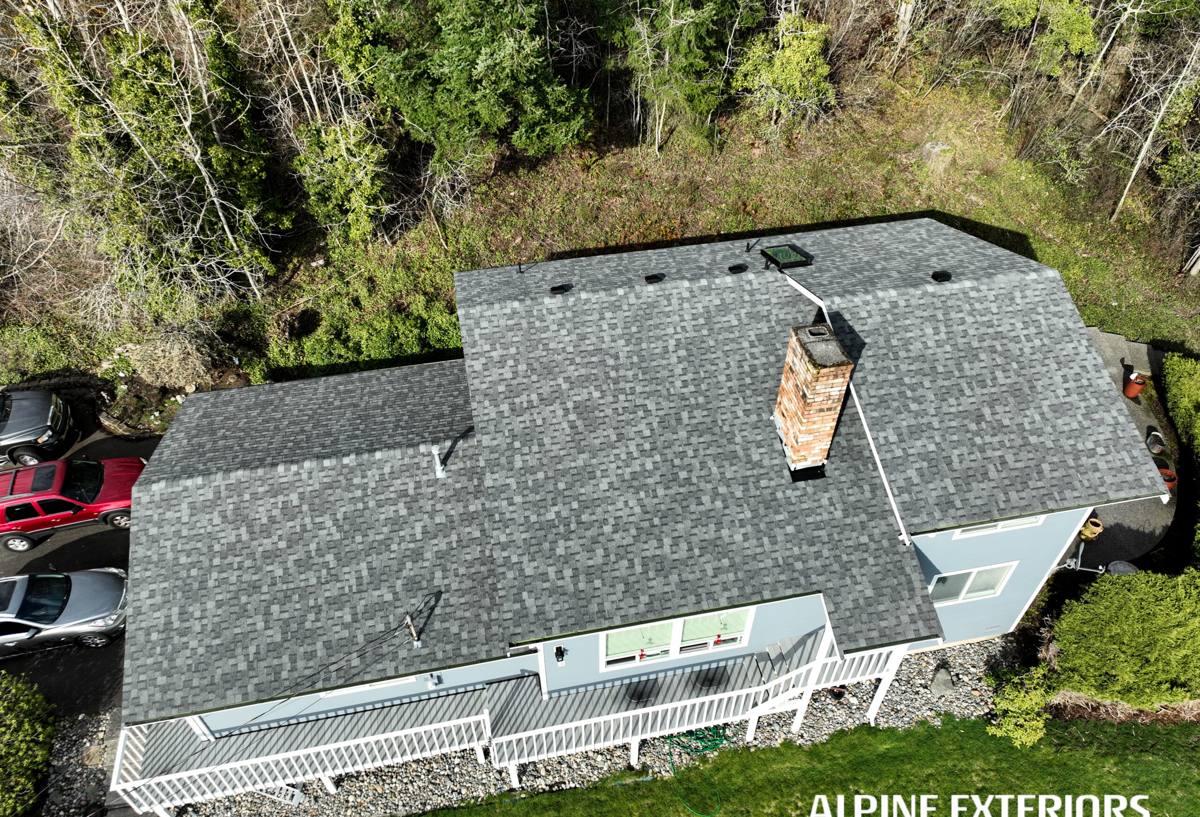
Signs an East Lake Roof Needs Replacement, Not Another Repair
Roof repairs make sense when the damage is isolated and the roof underneath is still sound. Replacement becomes the honest recommendation when the roofing system as a whole has aged out or been compromised. Common signs we look for on East Lake homes include:
- Granule loss heavy enough that shingles look patchy or the color has gone uneven — a sign UV exposure has broken down the shingle's protective coating
- Multiple repair patches from past storms, especially if they're spread across different roof planes rather than one localized area
- Soft spots or slight sagging in the decking, which usually means moisture has been getting past the shingles for a while
- Curling, cracking, or cupping shingles, particularly on south- and west-facing slopes that take the most direct sun
- Rusted, lifted, or missing flashing around chimneys, vents, and skylights — a frequent entry point for wind-driven rain
- A roof approaching or past the manufacturer's expected service life for its material and local climate exposure
If a roof is only a few years old and the damage is contained — a handful of lifted shingles after a storm, a single flashing leak — repair is usually the right call and we'll say so. Replacement gets recommended when the underlying materials are worn out, not just the visible layer.
What a Correct Roof Replacement Actually Involves
Full Tear-Off and Deck Inspection
We don't install new shingles over old ones, and we wouldn't recommend any contractor who does on a Gulf Coast home. A full tear-off lets us see the roof deck itself — the plywood or OSB sheathing underneath everything else. That's where rot, delamination, and old fastener damage actually live, and it's invisible from the ground or from a quick shingle-level inspection. Any damaged decking gets replaced before anything new goes down; skipping this step is one of the more common ways a "new roof" fails early.
Underlayment and Secondary Water Barrier
Underlayment is the roof's backup defense if wind ever drives water past the shingles themselves, which happens during heavy Gulf Coast storms more often than most homeowners realize. We use a synthetic or self-adhering underlayment appropriate to the roof's slope and material, with self-adhering peel-and-stick membrane at vulnerable areas like eaves, valleys, and around penetrations. This layer matters as much as the shingles do — it's just not something you see once the job is finished.
Flashing at Every Penetration
Chimneys, plumbing vents, skylights, and wall-to-roof transitions are where leaks actually start, far more often than in the open field of shingles. Correct flashing means new metal at every penetration, properly lapped with the underlayment and shingles so water sheds outward instead of finding a seam to work into. Reusing old flashing to save time is a shortcut that shows up as a leak within a year or two.
Fastening and Wind Resistance
Florida's building code sets minimum nailing patterns and fastener requirements specifically because wind uplift is a real risk in coastal counties like Pinellas. We follow manufacturer specifications for nail placement and count, not just code minimums, because under-fastened shingles are one of the most common causes of storm damage we see on roofs that are otherwise in decent shape.
Attic Ventilation
A roof replacement is also the right time to check that intake and exhaust ventilation are balanced. Poor attic ventilation traps heat and moisture, which shortens shingle life from underneath and can quietly drive up cooling costs in a climate where the attic already runs hot for most of the year.
Material Options and How They Hold Up Locally
There's no single "best" roofing material for East Lake — the right choice depends on the home's structure, budget, and how long the owner plans to stay in it. Here's how the common options compare for this climate:
| Material | Typical Lifespan Here | Wind & Storm Performance | Maintenance Considerations |
|---|---|---|---|
| Architectural asphalt shingle | 20-30 years | Good, when installed with full nailing pattern and proper underlayment | Periodic inspection for granule loss and flashing wear |
| 3-tab asphalt shingle | 15-20 years | Lower wind rating than architectural shingles | Shorter service life in intense UV exposure |
| Standing seam metal | 40-50+ years | Excellent wind uplift resistance when properly fastened | Higher upfront cost, minimal ongoing maintenance |
| Concrete or clay tile | 40-50+ years | Strong if underlayment and fastening are correct; individual tiles can crack from impact | Underlayment typically needs replacement before the tile itself does |
Whatever material a homeowner chooses, the underlayment, flashing, and fastening quality matter more to actual storm performance than the shingle brand printed on the wrapper. We'll walk through the honest trade-offs — upfront cost, expected lifespan, maintenance, and how each option handles this specific climate — before recommending anything.
How Our Process Works, Start to Finish
- Roof inspection and estimate. We assess the current roof, decking condition where visible, flashing points, and ventilation, then give a written estimate with material options.
- Material selection. We go over the trade-offs for your home specifically — slope, sun exposure, budget, and how long you plan to own the property.
- Permitting. Roof replacement requires a permit in Pinellas County. We handle the permit application and scheduling of required inspections.
- Tear-off and deck inspection. Old roofing comes off down to the deck, and any compromised sheathing is identified and replaced.
- Underlayment, flashing, and installation. The new roofing system goes down in the correct order, with attention to every penetration and transition point.
- Final inspection and cleanup. We walk the finished roof, confirm everything meets code and manufacturer specification, and clear the property of debris and nails using magnetic sweeps.
Permits, Wind Requirements, and Insurance Considerations
Roof replacement in Pinellas County requires a building permit and inspection, and the work has to meet Florida Building Code requirements for wind resistance — a reflection of how seriously the state takes hurricane-force wind exposure along this coastline. We pull permits as a standard part of every replacement; a roof installed without one can create real problems later, including denied insurance claims and complications when selling the home.
A new roof can also affect a homeowner's insurance situation. Many Florida insurers offer wind mitigation credits for roofs that meet current code-level fastening and construction standards, and a roof inspection report is often required to document what was actually installed. We can provide the documentation homeowners typically need to submit for these credits, though the insurance decision itself is between the homeowner and their carrier.
Why Hiring a Crew That Already Works in East Lake Matters
Roofing crews who work this specific part of Pinellas County regularly develop a practical sense of things that don't show up in a general specification sheet — how tree cover and afternoon storm patterns affect a given roof's wear, which flashing details tend to fail first on the area's common home styles, and what a realistic timeline looks like once you factor in Florida's summer storm schedule. That local familiarity doesn't replace good workmanship, but it does mean fewer surprises during the job and a more accurate estimate up front, because we're not guessing at conditions we've never worked in before.
It also means we're reachable after the job is done. A crew that plans to keep working in East Lake has every reason to make sure the roof performs the way it should, since a callback or a warranty issue is a short drive away, not a phone tag exercise with an out-of-area office.
Roof Replacement Checklist for East Lake Homeowners
Before signing a contract with any roofing company, it's worth confirming the basics:
- Full tear-off to the deck, not a layover installation
- Written scope specifying underlayment type and where self-adhering membrane will be used
- Flashing replacement (not reuse) at chimneys, vents, and skylights included in the scope
- Fastening pattern that meets or exceeds manufacturer and Florida Building Code requirements
- Attic ventilation reviewed as part of the job, not treated as a separate add-on
- Permit pulled and inspections scheduled by the contractor
- Active state contractor license and current liability and workers' compensation insurance
- Manufacturer warranty terms explained in writing, including what voids them
- Cleanup plan that includes a magnetic sweep for stray nails
After the Roof Goes On
A correctly installed roof still benefits from basic upkeep in this climate. Periodic inspections after major storms, keeping gutters clear so water isn't pooling at the roof edge, and trimming back overhanging branches all help a new roof reach its full expected lifespan. None of it is complicated, but skipping it is how a well-installed roof ends up with preventable problems years down the line.
If your East Lake-area roof is showing its age or storm damage, we're happy to take a look and walk you through honest options — no pressure, no upsell. Fill out the form below for a free estimate and we'll get back to you with a straightforward assessment of what your roof actually needs.