 Oldsmar Siding
 East Lake sits close enough to open water and the Gulf that its roofs absorb a version of Florida weather most inland homes never see: salt-laden air, near-constant summer UV, wind-driven rain that finds every weak seam, and the real possibility of hurricane-force gusts during storm season. A new roof out here isn't just a cosmetic upgrade — it's the single most important weatherproofing decision a homeowner will make. This page covers what a correct new roof installation actually involves for East Lake homes, what to look for in a contractor, and why local experience in this specific pocket of Pinellas County matters more than a generic statewide sales pitch.
Why East Lake Roofs Wear Differently
Roofs in East Lake don't fail the same way roofs fail in drier, inland climates. Four factors do most of the damage over time:
- UV exposure — Florida's sun bakes asphalt shingles and dries out sealants faster than in most of the country, accelerating granule loss and brittleness.
- Wind-driven rain — Storms here rarely fall straight down. Rain pushed sideways by wind finds gaps in flashing, ridge caps, and vent boots that a vertical rain would never reach.
- Salt air — Proximity to the Gulf and area waterways means airborne salt settles on metal fasteners, flashing, and vent components, speeding up corrosion even a few miles inland.
- Hurricane-force wind events — Every roof in this area needs to be installed to hold up under uplift pressure, not just shed water on a calm day.
None of this means East Lake homes need exotic materials. It means every layer of the roofing system — deck, underlayment, flashing, fasteners, and covering — has to be installed correctly, because in this climate, shortcuts show up as leaks and lifted shingles years earlier than they would elsewhere.
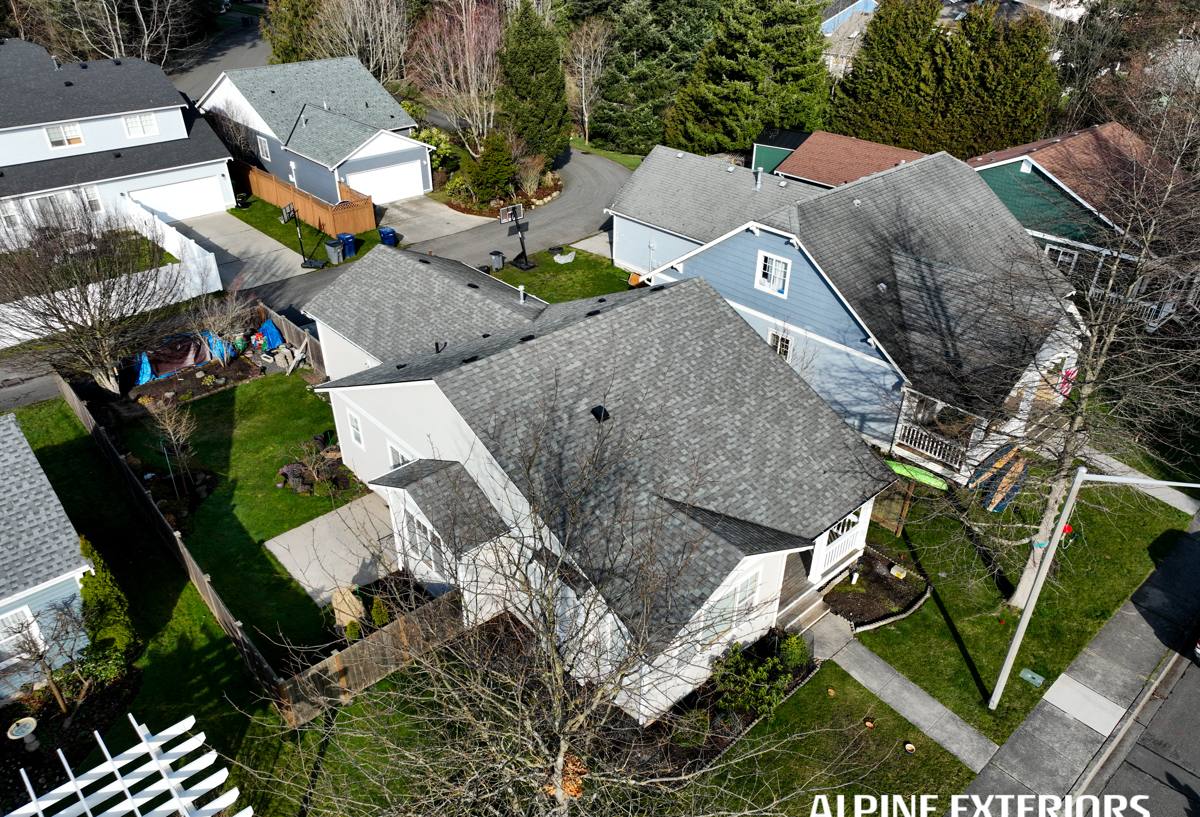
Signs a Roof Needs Replacement, Not Another Repair
Not every roofing problem calls for a full tear-off. But there's a point where patching stops being a solution and starts being a way to delay an inevitable, more expensive fix. Common signs it's time for a new roof rather than another repair:
- Shingles are curling, cupping, or losing granules across large sections rather than one isolated spot
- The roof is nearing or past its expected service life for its material type
- Multiple past repairs haven't stopped recurring leaks in different locations
- Visible sagging in the roofline, which can point to deck or structural issues underneath
- Daylight visible through the attic decking, or consistent moisture staining on interior ceilings
- Storm damage widespread enough that insurance and cost math favor full replacement over patchwork repair
An honest contractor will tell you when a repair is genuinely the right call. We'd rather do a smaller job now and earn the bigger one later than push a replacement a home doesn't need yet.
What a Correct New Roof Installation Actually Involves
A new roof is only as good as the layers nobody sees once it's finished. Rushing any of the following is where most premature roof failures start.
Deck Inspection and Repair
Once the old roofing material is stripped off, the plywood or OSB decking underneath gets inspected board by board. Any wood that's soft, delaminated, or water-stained gets replaced before anything new goes down. Installing a new roof over a compromised deck is one of the most common corners cut in this trade, and it undermines everything installed on top of it.
Underlayment and Water Barrier
In a climate with this much wind-driven rain, the underlayment is doing more work than people realize. A synthetic or self-adhering water barrier under the roofing material is the backup line of defense if wind ever drives water past the surface layer — which, over the life of a roof in this area, it will at some point.
Flashing at Every Penetration
Chimneys, vent pipes, skylights, and roof-to-wall transitions are where the overwhelming majority of roof leaks originate — not in the open field of shingles. Correctly formed and sealed metal flashing at every one of these points is non-negotiable, and it's also the detail most likely to get rushed on a fast, low-bid job.
Fastening for Wind Uplift
How a roof is fastened matters as much as what it's covered with. Nailing patterns, fastener count, and fastener placement all affect how well a roof resists uplift in high wind. This is also where salt-air corrosion resistance in fastener and flashing material choice pays off over the life of the roof.
Attic Ventilation
Proper intake and exhaust ventilation keeps attic temperatures and moisture in check. Get it wrong and you shorten shingle life from the underside through trapped heat, and increase the risk of moisture damage that has nothing to do with the roof surface itself.
Roofing Material Options: How They Compare Here
There's no single "best" roofing material for every East Lake home — it depends on budget, roof pitch, HOA rules where they apply, and how long the homeowner plans to stay in the house. Here's an honest comparison for this climate specifically:
| Material | Typical Lifespan | Wind & Storm Performance | Salt Air / Coastal Notes | Relative Upfront Cost |
|---|---|---|---|---|
| Architectural asphalt shingle | 20–30 years | Good, when rated and installed for local wind zones | Performs well with proper fastener and flashing selection | $ |
| 3-tab asphalt shingle | 15–20 years | Lower wind resistance than architectural shingles | Same coastal considerations as architectural, shorter service life | $ |
| Standing seam metal | 40–50+ years | Excellent uplift resistance when properly installed | Requires corrosion-resistant fasteners and coatings near salt air | $$$ |
| Concrete or clay tile | 40–50+ years | Very good, but individual tiles can dislodge in extreme wind if not properly secured | Handles salt exposure well; underlayment quality is critical | $$$ |
Whatever material a homeowner chooses, the installation quality underneath it matters more than the brand name on top of it. We'll walk through the honest trade-offs for your roof's pitch, structure, and budget rather than steering everyone toward the same product.
Wind Ratings, Codes, and Permitting
Pinellas County sits in a wind-borne debris region under the Florida Building Code, which means new roof installations here have to meet specific wind uplift and fastening standards — not the same baseline requirements used in less storm-exposed parts of the country. A correctly permitted roof replacement includes:
- A permit pulled with the local building department before work begins
- Installation methods and materials matching the wind rating required for the area
- Mid-job and final inspections tied to the permit
- Documentation you'll want on hand for insurance and any future wind mitigation inspection
Skipping permitting might save a few days on a project timeline, but it leaves a homeowner without an inspected paper trail — something that matters a great deal at claim time or resale.
Our Installation Process
A new roof installation on an East Lake home generally follows this sequence:
- On-site inspection and estimate. We look at the existing roof, deck condition where visible, ventilation, and any problem areas before quoting anything.
- Material selection. We go over the honest pros, cons, and cost differences for the materials that fit the home's structure and the homeowner's budget.
- Permitting. We pull the required permit before any tear-off begins.
- Tear-off and deck inspection. Old material comes off completely, and the deck is inspected and repaired as needed — not covered over.
- Underlayment and flashing installation. The water barrier and flashing at every penetration go in before the visible roofing material.
- Roofing material installation. Installed to the manufacturer's specifications and the wind-rating requirements for this area.
- Ventilation check. Intake and exhaust ventilation are confirmed adequate for the attic space.
- Final inspection and cleanup. The job is inspected against permit requirements, and the property — including magnetic sweep for stray nails — is cleaned before we consider the job done.
Why a Crew That Already Works in East Lake Matters
Roofing knowledge that only exists in general terms — "Florida gets hurricanes, use hurricane straps" — isn't the same as knowing how homes in this specific part of Oldsmar and Pinellas County are actually built and how they actually age. A crew that regularly works in and around East Lake has a working sense of the roof pitches, common deck conditions, and ventilation setups typical to homes built in this area over different decades, along with familiarity with the local permitting process and inspection expectations. That translates into fewer surprises mid-project, more accurate estimates up front, and faster response if a storm rolls through and a homeowner needs someone who already knows the neighborhood — not a crew driving in from the other side of the county for the first time.
Caring for a New Roof After Installation
A correctly installed roof still benefits from basic upkeep, especially in a climate this demanding. A simple maintenance checklist for East Lake homeowners:
- Have the roof visually inspected after any major storm, even if there's no obvious interior leak
- Keep gutters and downspouts clear so water isn't backing up under roof edges
- Trim back overhanging tree limbs that can abrade shingles or drop debris in wind
- Watch for granule buildup in gutters, a sign of accelerating shingle wear
- Address any small leak or soft spot immediately rather than waiting for it to spread
- Keep permit and inspection documentation on file for insurance and resale purposes
None of this replaces professional inspection, but it catches small issues before they become full replacement conversations.
Get a Free, No-Pressure Estimate
If your East Lake home's roof is showing its age, took storm damage, or you're just trying to plan ahead before it becomes an emergency, we're happy to take a look and give you a straight answer — repair or replace, and why. Use the form below to request a free estimate with no pressure and no obligation.