 Oldsmar Siding
 Dunedin's Climate Puts Real Stress on Exterior Siding
Dunedin sits on the Gulf side of Pinellas County, just down the road from Oldsmar and the rest of the Tampa Bay area, and that location matters when you're choosing exterior siding. Homes here take a combination of punishment that inland Florida properties simply don't see as often: hurricane-force wind gusts during storm season, wind-driven rain that gets forced sideways into wall assemblies, near-constant UV exposure that fades and breaks down weaker materials, and salt-laden air moving off the Gulf and Tampa Bay that accelerates corrosion and material fatigue year-round.
None of this is unique to any one street or subdivision in Dunedin — it's the baseline reality for anywone living on this stretch of the Pinellas peninsula. Siding that isn't engineered for it doesn't necessarily fail overnight. It fails slowly: a little more fading each summer, a little more moisture intrusion at the seams each rainy season, a little more warping or cracking after each named storm, until a homeowner is looking at a full replacement years earlier than they should have to.
That's the lens we bring to every siding installation we quote in this area. The goal isn't just to make a house look good on installation day — it's to put a system on the wall that's still doing its job fifteen and twenty years from now.
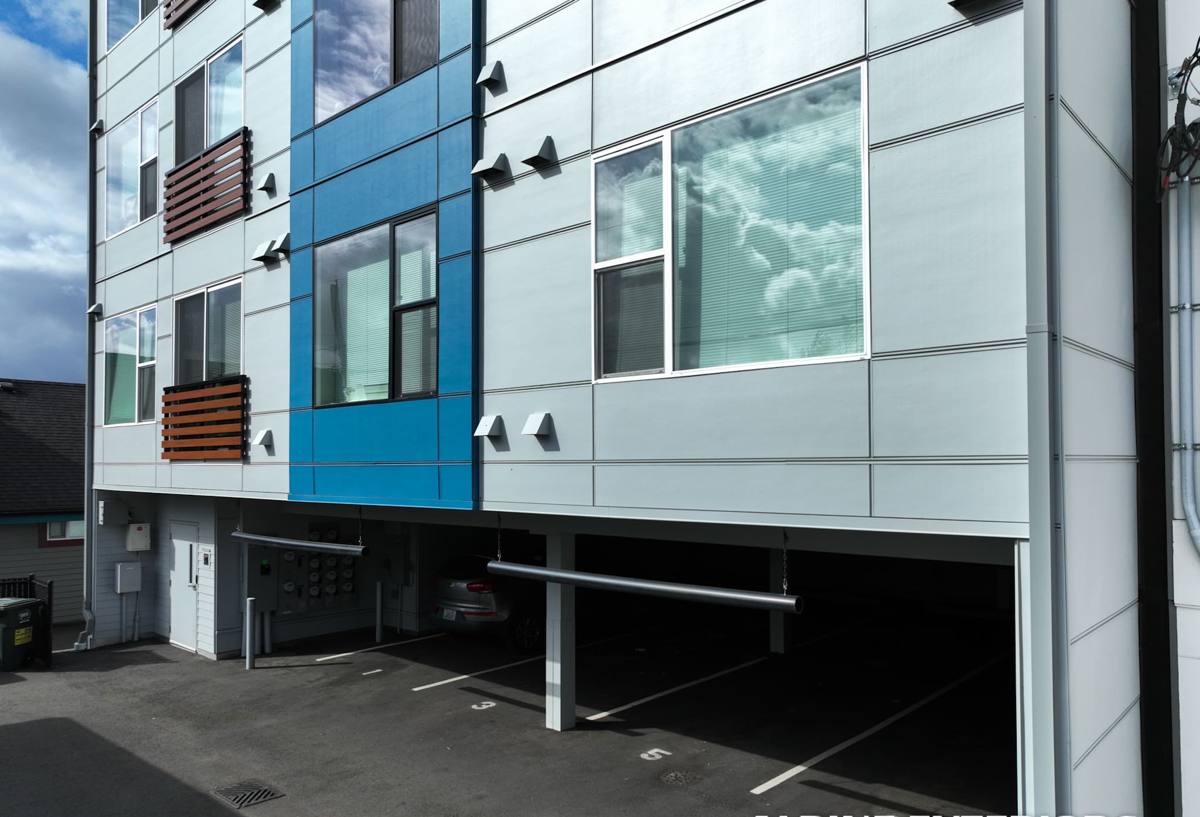
What "Correct" Siding Installation Means in Pinellas County
Siding installation has a reputation for looking simple from the ground — panels go up, seams get covered, done. In practice, the difference between siding that performs for decades and siding that causes problems within a few years almost never comes down to the product itself. It comes down to installation detail.
Manufacturer Installation Instructions Aren't Optional Here
Every fiber cement product ships with a manufacturer installation manual that specifies fastener type and spacing, minimum clearance from grade, roof lines, and other penetrations, and how panels should be gapped and caulked. In a coastal wind zone like Pinellas County, deviating from those specs isn't a cosmetic shortcut — it's the difference between siding that holds through a tropical storm and siding that peels off in sheets. We install to the manufacturer's written specification every time, not to "how we've always done it."
Flashing, Water Management, and Wind Resistance
Most siding failures we get called out to inspect aren't siding failures at all — they're flashing and water-management failures that show up as damage to the siding. Windows, doors, roof-to-wall transitions, and any point where two different materials meet need proper flashing and a drainage plane behind the siding so that any water that does get past the surface has somewhere to go besides your wall sheathing. Wind-driven rain, which is a near-annual event on this side of the county, will find any gap that's been left unsealed or under-flashed. Getting this right is unglamorous work that nobody sees once the siding is up — but it's the work that determines whether your walls stay dry.
Why We Install Only James Hardie Fiber Cement Siding
We made a deliberate decision to install exclusively James Hardie fiber cement siding, and we don't install vinyl, LP SmartSide, or other fiber cement alternatives. That's not a marketing position — it's a standard we hold ourselves to because of what this climate does to exterior materials over time.
Fiber cement is non-combustible, which matters in a state where wildfire and lightning-strike risk are real, and it holds its shape and dimension in a way that vinyl and wood-based composite products don't when they're cycling through Florida's daily swings between intense heat and heavy humidity. James Hardie's HZ5 product line is specifically engineered for high-humidity, storm-exposed climates like ours, and their ColorPlus factory-applied finish is baked on under controlled conditions rather than field-painted, which gives it far better fade and chip resistance against the UV load Pinellas County sees essentially year-round. Hardie also backs its products with a strong, transferable limited warranty, which carries real weight if you sell the home down the road.
None of that means every other product on the market is bad. It means that after weighing installation sensitivity, long-term moisture behavior, and how each product actually performs against Gulf Coast conditions over fifteen-plus years, Hardie is what we're willing to put our name behind.
Signs a Dunedin-Area Home Needs New Siding
Homeowners often wait too long to address siding issues because early warning signs look cosmetic rather than structural. In a wind- and moisture-heavy climate, small issues compound faster than they would elsewhere. Watch for:
- Visible warping, buckling, or panels that no longer sit flat against the wall
- Soft or spongy spots when you press on the siding, which usually points to moisture behind it
- Cracking or splitting, especially near corners, seams, or fastener points
- Paint or finish that's chalking, peeling, or fading unevenly across sun-exposed walls
- Persistent staining or streaking that doesn't wash off, which can indicate trapped moisture
- Rising energy bills with no other explanation, which can mean your wall assembly is no longer insulating or sealing the way it should
- Visible gaps, missing caulk, or daylight around window and door trim
Any one of these on its own might just need a repair. Several at once, or damage that keeps recurring in the same spot after storms, usually means it's time to talk about full replacement rather than another patch.
Our Siding Installation Process
We run the same disciplined process on every job, whether it's a single-wall repair-driven replacement or a full re-side:
- On-site assessment. We walk the exterior, check for underlying moisture or sheathing damage, and evaluate flashing at every penetration before quoting anything.
- Written estimate and product selection. You get a clear scope of work, product and color selection from Hardie's line, and a straightforward price — no vague allowances.
- Tear-off and substrate inspection. Old siding comes off and we inspect the sheathing underneath for rot or water damage before anything new goes up. Problems found here get addressed, not covered over.
- Weather barrier and flashing installation. A proper drainage plane and correctly lapped flashing go in at every window, door, and roofline before a single piece of siding is hung.
- Siding installation to manufacturer spec. Fastener pattern, gapping, and clearances follow James Hardie's published installation requirements for our wind zone.
- Trim, caulking, and final detailing. Seams, corners, and transitions get sealed correctly the first time, since these are the points most exposed to wind-driven rain.
- Final walkthrough. We go over the finished job with you before calling it complete.
What Affects the Cost of a Siding Installation Project
Every home is different, so we don't quote off square footage alone — but these are the main factors that move the price up or down on a typical Dunedin-area project:
| Factor | Why It Matters |
|---|---|
| Home size and wall complexity | More corners, gables, and dormers mean more cutting, trim work, and labor time |
| Condition of the existing sheathing | Rot or water damage found during tear-off has to be repaired before new siding goes up |
| Siding profile and texture | Lap siding, shingle-style, and panel systems differ in material and labor cost |
| Color and finish selection | Factory-finished ColorPlus options vs. field-painted Hardie products affect both cost and long-term maintenance |
| Trim and accessory scope | Fascia, soffit, and window/door trim replaced alongside siding add to the project but improve the whole envelope |
| Access and site conditions | Landscaping, fencing, or limited access around the home can affect labor time |
We'll walk through each of these with you during the estimate so there are no surprises once work starts.
Why a Crew That Already Works Dunedin Matters
Siding installation isn't a generic skill you either have or don't — it's a skill that gets sharper with repetition in a specific climate. A crew that regularly works Pinellas County homes has already seen how wind-driven rain behaves against particular roof pitches, how salt air affects fastener choice over time, and which flashing details actually hold up through a full hurricane season rather than just looking right on installation day. That local repetition is worth more than a generic national installation checklist.
It also matters for accountability. A crew that's still doing work in Dunedin and Oldsmar next year, and the year after that, has every reason to install it right the first time, because a callback or a warranty issue is a local reputation problem, not an anonymous complaint. We'd rather spend the extra time on flashing and fastener detail up front than field a leak call two years down the line.
Caring for Your New Siding After Installation
James Hardie fiber cement is low-maintenance compared to the alternatives, but "low-maintenance" doesn't mean "no maintenance," especially in a climate this demanding. A little routine attention keeps it performing the way it's designed to:
- Rinse the exterior periodically to clear salt residue and airborne grime before it builds up
- Inspect caulking at trim, windows, and seams annually, and touch up any that's cracked or pulled away
- Trim back landscaping and irrigation heads that spray directly onto the siding or keep it damp
- Walk the exterior after major storms and note any impact damage, loose trim, or gaps for follow-up
- Avoid pressure-washing at close range or high pressure, which can force water behind panels or damage the finish
If you're ever unsure whether something you're seeing is normal wear or an early warning sign, it's worth a quick look from someone who installs this material for a living rather than waiting it out.
Get a Local, No-Pressure Estimate
If you're weighing a siding replacement for a home in Dunedin, Oldsmar, or elsewhere in Pinellas County, we're happy to take a look and give you a straightforward assessment — no pressure, no inflated scare tactics, just an honest read on your home's exterior and what it would take to do the job right. Use the form below to request a free estimate.