 Oldsmar Siding
 Building Decks for Dunedin's Gulf Coast Conditions
Dunedin sits right on the Pinellas County coastline, and any deck built here has to stand up to weather that's tougher than what a builder inland deals with. Hurricane-force winds during storm season, intense year-round UV that breaks down finishes and fades color, wind-driven rain that finds every gap in a poorly flashed ledger board, and salt air that speeds up corrosion in fasteners and hardware all add up over the life of a structure. Our Oldsmar-based crew builds custom decks around those realities, not around a generic spec sheet pulled from a climate that doesn't match this one.
A deck that would hold up fine in a drier, calmer part of the country can fail early here if it's built with the wrong fasteners, shallow footings, or careless flashing. This page focuses specifically on custom deck construction for Dunedin properties — what a correctly built deck needs in this environment, how our process works, and why hiring a crew that already builds decks in this exact area matters more here than it might somewhere else.
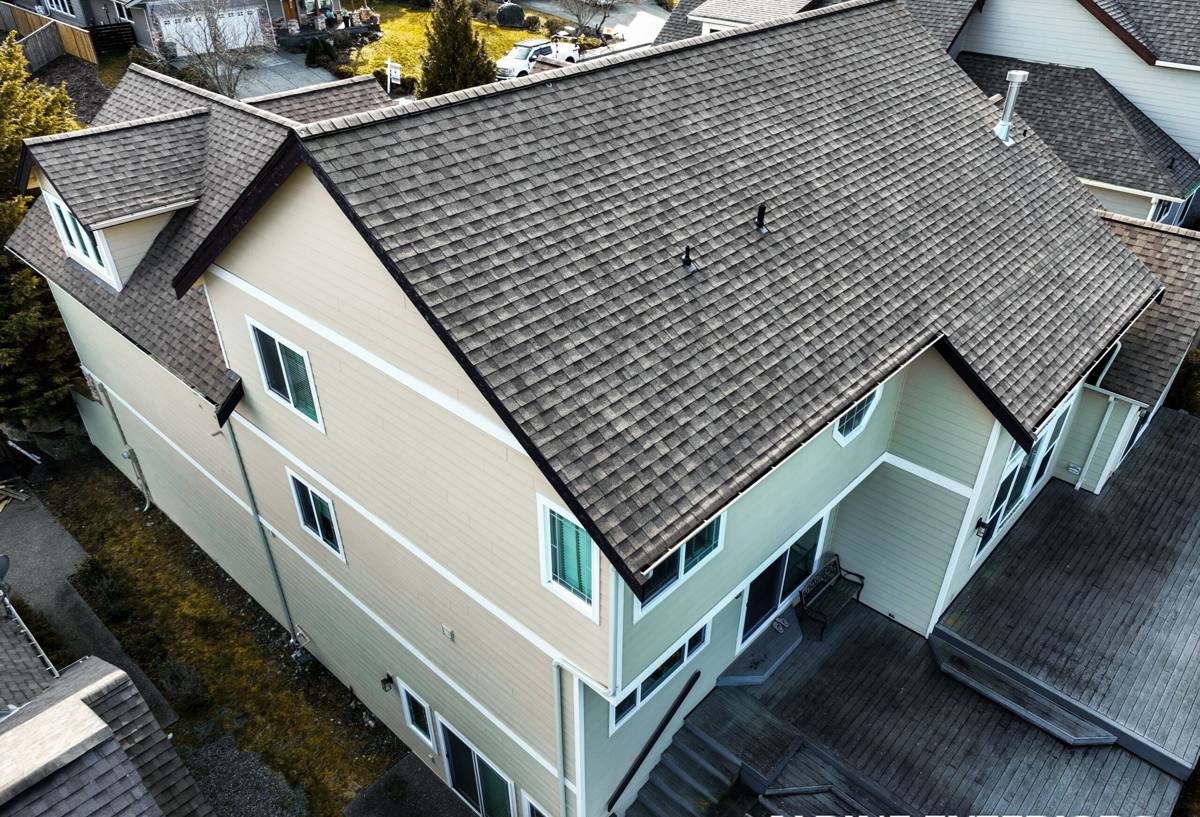
What Coastal Conditions Actually Do to a Deck
Wind Load
Dunedin can see sustained tropical-storm and hurricane-force winds, and an elevated deck acts like a sail if it isn't engineered for uplift and lateral load. Railings, stair stringers, and the connection between the deck frame and the house are usually where an undersized deck fails first — not the decking boards themselves.
UV and Heat
Florida sun is relentless on exposed decking almost every day of the year. Wood dries out, checks, and grays faster here than in milder climates, and even UV-stabilized composite boards will fade some over time. Dark colors and low-quality finishes take the worst of it.
Salt Air and Corrosion
Being close to the Gulf means airborne salt reaches homes well inland of the immediate waterfront, and it's hard on anything metal. Standard zinc-coated screws and generic hangers corrode faster near the coast, which is why fastener choice on a Dunedin deck isn't a minor detail — it's one of the first things that determines how long the structure lasts.
Wind-Driven Rain and Moisture
Storms here rarely fall straight down. Wind-driven rain gets pushed sideways into ledger connections, under poorly sealed flashing, and into end-grain cuts that weren't sealed before installation. Left unaddressed, that moisture rots framing from the inside long before it shows up on the surface.
Choosing the Right Decking Material for This Environment
There's no single "best" decking material for every Dunedin home — the right choice depends on budget, how much upkeep you're willing to do, and how exposed the deck is to sun and salt spray. Here's how the common options actually compare in this climate:
| Material | How it holds up here | Maintenance | Typical lifespan |
|---|---|---|---|
| Pressure-treated pine | Affordable, but checks and grays quickly under constant UV; needs sealing to resist wind-driven rain | Re-sealing every 1-2 years | 10-15 years with upkeep |
| Composite decking | Resists rot and doesn't need sealing; quality boards handle UV and humidity well | Periodic washing, no sealing or staining | 20-25+ years |
| PVC/capped decking | Fully sealed surface, best resistance to moisture and salt exposure; slightly more expensive upfront | Low — occasional cleaning | 25+ years |
| Tropical hardwoods | Naturally dense and rot-resistant, but still needs oiling to prevent graying and checking in this sun | Annual oiling recommended | 20-30 years with upkeep |
For most Dunedin homeowners weighing upfront cost against long-term maintenance, composite or capped PVC decking makes sense given how hard the sun and salt air are on painted or stained surfaces here. That said, some homeowners still prefer the look and feel of real wood and are willing to keep up with the sealing schedule — that's a legitimate choice as long as you go in with realistic expectations about upkeep.
Why We're Careful With Certain Wood Products
Some lower-grade treated lumber and thin composite boards are more sensitive to installation technique and moisture cycling than their marketing suggests — gaps at fastener points, inconsistent spacing, or skipped end-sealing show up as cupping or fastener pull-through within a few seasons in this climate. Our standard is to follow manufacturer spacing and fastening specs exactly and to seal every cut end before it goes down, regardless of which material a homeowner chooses.
Structural Details That Matter Most on a Dunedin Deck
- Footing depth: Footings sized and set to local frost-free but high-water-table conditions, not a shortcut minimum
- Ledger attachment: Properly flashed and lag-bolted or through-bolted connections at the house, not just nailed
- Fasteners and hardware: Stainless steel or coated fasteners and connectors rated for coastal exposure
- Post-to-beam connections: Mechanical hardware sized for uplift, not just gravity load
- Railing anchoring: Railings built to resist lateral wind load, since they're the first thing tested in a storm
- Joist spacing: Tightened up under composite and PVC decking per manufacturer requirements to prevent long-term sag
None of this is exotic — it's just the difference between a deck built to a minimum code pass and one built to actually hold up through a decade of Gulf Coast summers and storm seasons.
Design Choices That Fit How Dunedin Homes Actually Get Used
Shade and Comfort
A deck that bakes in full afternoon sun for most of the year doesn't get used as much as one with some shade built in — a pergola, a partial roof, or thoughtful orientation relative to the house can make a real difference in how often the space actually gets used May through September.
Screening and Bugs
Coastal Florida properties deal with mosquitoes and no-see-ums, especially near dusk. Some homeowners build screening into part of the deck or plan for a future screen enclosure from the start so the framing and footprint can support it later without a rebuild.
Elevation and Drainage
Low-lying yards and properties near water need decks designed with proper drainage and, where relevant, elevation that accounts for local flood considerations. Water needs somewhere to go — under, around, or through the deck — rather than pooling against the house.
Multi-Level and Connected Layouts
Many Dunedin lots are modest in size, so a deck that steps down to a paver patio or wraps around an existing pool cage often makes better use of the yard than a single flat platform.
Our Deck-Building Process
- On-site consultation: We look at the house, the yard, drainage patterns, and how you actually want to use the space before recommending anything.
- Design and material selection: We walk through material options honestly, including trade-offs in cost, maintenance, and lifespan for your specific site.
- Permitting: We handle the permit application and inspection scheduling required for the build.
- Site prep and footings: Footings are dug and set to the depth and spacing the design and local requirements call for.
- Framing: Ledger, beams, posts, and joists go in with corrosion-resistant hardware throughout.
- Decking and railing installation: Boards and railings are installed to manufacturer spec, with all cut ends sealed.
- Final inspection and walkthrough: We pass required inspections and walk the finished deck with you before calling the job done.
Maintenance Realities for a Deck in This Climate
Whatever material you choose, a few habits go a long way toward getting the lifespan the material is capable of in a coastal climate like Dunedin's:
- Rinse off salt residue and debris periodically, especially after storms
- Check railing and post connections annually for looseness or corrosion
- Re-seal or re-stain wood decking on the schedule the product actually requires, not just when it looks bad
- Keep gutters and downspouts clear so runoff isn't dumping extra water onto or near the deck structure
- Clear leaves and organic debris from between boards so moisture doesn't sit trapped against the surface
- Have fastener and hardware condition checked every few years, since coastal corrosion isn't always visible from the top side
What Drives the Cost of a Custom Deck
Every deck is priced around the specifics of the site and design, but a few factors consistently move the number more than others:
| Factor | Why it matters |
|---|---|
| Size and footprint | Square footage is the baseline driver of material and labor cost |
| Decking material | Pressure-treated lumber costs less upfront than composite or PVC, but the gap narrows over time once maintenance is factored in |
| Elevation and structure | A ground-level platform costs far less than an elevated multi-level deck with stairs and heavier footings |
| Railing style | Cable, glass, and custom railing systems cost more than standard baluster railing |
| Site access and prep | Difficult access, existing landscaping, or grading needs can add labor time |
| Add-ons | Built-in seating, pergolas, lighting, and screening all add to the base cost |
Broadly speaking, a modest ground-level deck sits at the lower end of the range, while a large elevated multi-level deck with premium decking and custom railing lands well toward the higher end. We give straight, itemized numbers during the estimate rather than a vague ballpark, because the honest answer really does depend on the specifics of your property.
Why a Local Crew That Already Works Dunedin Matters
Building decks in Pinellas County means building to the wind, moisture, and permitting realities of this specific area — not applying a national-average spec and hoping it holds. A crew based in Oldsmar that regularly works in Dunedin already knows the local permitting process, has a track record with the fastener and hardware choices that hold up against salt air here, and understands how yards in this area actually drain during heavy summer rain. That familiarity shows up in fewer surprises during the build and a deck that's actually designed for the conditions it will sit in for the next twenty-plus years, not just the day it's finished.
If you're considering a custom deck for your Dunedin property, we're glad to walk your site, talk through material and design options honestly, and put together a clear, no-pressure estimate using the form below.