 Oldsmar Siding
 Deck Repair Built for Countryside's Climate
Countryside sits inland enough to feel like it's tucked away from the water, but Pinellas County doesn't give any deck a free pass. The same salt-laden air that ages homes closer to Tampa Bay still drifts through Countryside's neighborhood streets, and the sun overhead does not care how far you are from the coast. Add in the wind-driven rain that comes with almost every summer storm and the occasional hurricane-force gust, and a deck here is working hard every single day just to hold its shape.
Most of the deck repair calls we get in this part of Oldsmar are not dramatic. They're slow problems — a soft spot near the stairs, a railing that wiggles more than it used to, fasteners that have started to weep rust stains into the boards. By the time it's obvious, the underlying structure has usually been losing strength for a while. Our job is to catch that early, fix what's actually wrong, and leave the deck stronger than a quick patch job would.
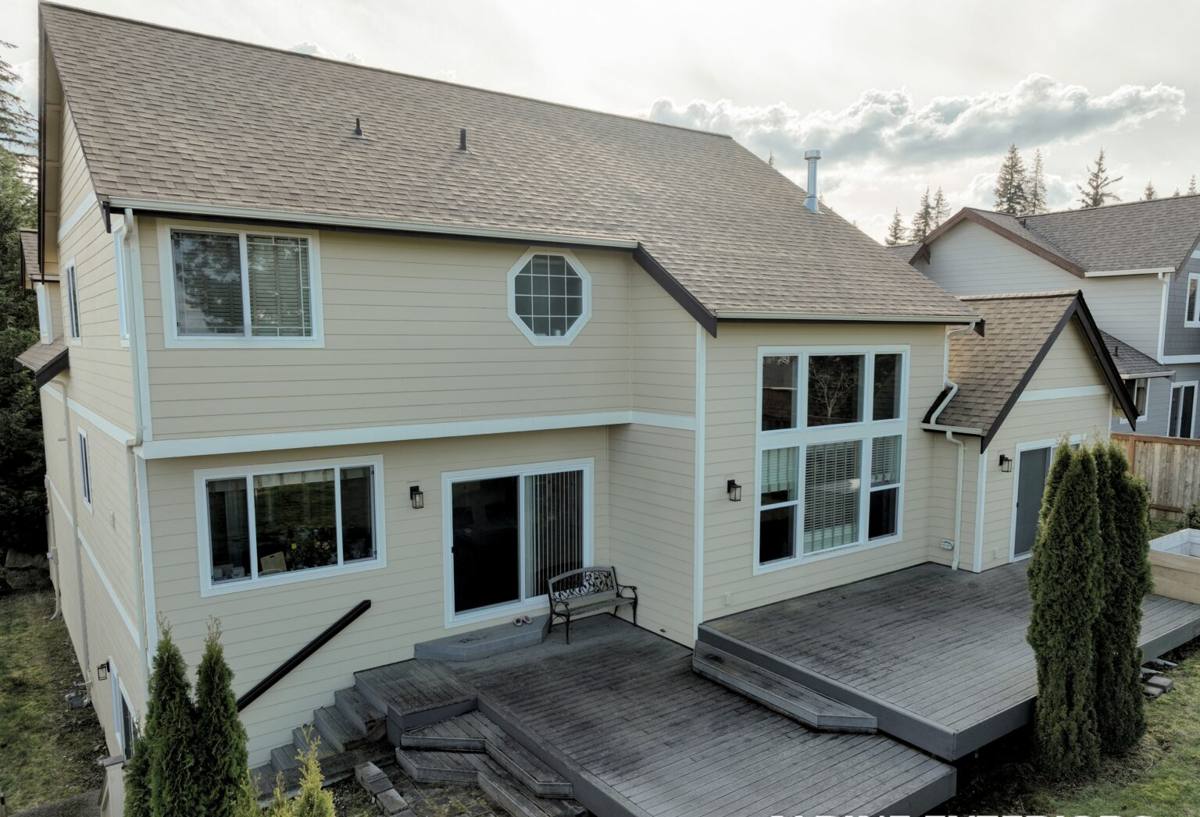
What Countryside Decks Are Up Against
A deck built and used the same way in a drier, cooler climate simply doesn't face what a Florida deck faces year-round.
Heat and UV
Florida sun breaks down wood fibers and degrades the surface finish on composite decking faster than most manufacturers' literature likes to admit. UV exposure dries out natural oils in wood, making it brittle and prone to splitting, and it fades and chalks composite surfaces over time.
Wind-Driven Rain
Rain that falls straight down is manageable. Rain that gets driven sideways by wind finds its way into places a deck was never designed to stay wet — under railing caps, behind fascia boards, into the end grain of joists where a saw cut once exposed raw wood.
Salt Air and Humidity
Even away from the immediate waterfront, Pinellas County's humidity and salt content in the air accelerate corrosion on fasteners, brackets, and any exposed metal hardware. Corroded fasteners are one of the most common hidden failure points we find during inspections.
Hurricane-Force Wind Loads
Beyond the everyday wear, decks in this area need to hold up under real storm loads — lateral wind pressure on railings, uplift on stair stringers, and the stress of debris impact. A deck that's already weakened by rot or corrosion has far less margin left for that kind of event.
Signs a Countryside Deck Needs Repair, Not Just a Cleaning
A pressure wash and a fresh coat of stain can make a tired deck look better without fixing what's actually wrong underneath. Here's what tells us it's a repair issue:
- Boards that flex, bounce, or feel spongy when you walk across them
- Railings or posts that move more than a slight wiggle when pushed
- Visible gaps opening up between the deck and the house at the ledger board
- Rust streaking below screws, nails, or joist hangers
- Soft or discolored wood, especially near ground contact or under planters
- Stair stringers that feel uneven or have visible cracking
- Composite boards that have started to swell, delaminate, or show surface flaking
- Any spot where standing water collects after a normal rain
Any one of these on its own might be minor. Several together usually mean the deck has been quietly losing structural integrity for longer than it looks.
Where Deck Failures Actually Start
Most people assume deck problems start with the decking boards themselves, since that's what you see and walk on. In our experience, the real trouble almost always starts underneath or behind what's visible.
The Ledger Board
This is the board that attaches the deck to the house, and it's the single most important connection on the entire structure. Flashing that was installed poorly — or not at all — lets water run behind the ledger and into the house's rim joist. This is one of the more serious repairs we see, because it can affect the home itself, not just the deck.
Joists and Framing
Cut ends, notches for wiring or plumbing, and any spot where the factory-applied protective treatment was compromised during original construction are where rot typically takes hold first, well before the top of the board shows any sign of trouble.
Fasteners and Hardware
Under-spec fasteners, or fasteners that were never rated for treated lumber's chemical makeup, corrode faster than the wood around them fails. A deck can look sound while its hardware is quietly giving up.
Railings and Guard Posts
Railing posts are only as strong as what they're bolted to. A post that was face-mounted with a few lag screws into a rim joist is a common shortcut we find, and it's rarely strong enough to meet a real wind or impact load.
Wood vs. Composite: Repair Considerations
Countryside has a mix of older wood decks and newer composite installations, and the repair approach differs quite a bit between the two.
| Factor | Wood Decking | Composite Decking |
|---|---|---|
| Common failure mode | Rot, splitting, checking from UV | Swelling at cut ends, surface delamination, fading |
| Repair approach | Board-by-board replacement is usually straightforward | Matching color/texture to weathered boards can be difficult; discontinued lines complicate matching |
| Hidden structure risk | Framing often shares the same wood species and ages similarly | Framing is usually still wood, so it can be hiding problems the surface doesn't show |
| Maintenance after repair | Needs periodic sealing or staining to protect the repair | Low maintenance, but cut edges on repaired sections need proper capping or sealing |
| Typical repair cost driver | Labor for board removal and refastening | Material cost and availability of matching boards |
Neither material is maintenance-free in this climate. Wood needs attention on a schedule; composite needs less attention but isn't invincible, especially at cut edges and fastener points where water can still get in.
Our Deck Repair Process
1. Full Structural Inspection
We start underneath the deck, not on top of it. That means checking the ledger connection and flashing, probing joists and beams for soft spots, and inspecting every railing post connection. We test fasteners, not just eyeball them.
2. Honest Scope of Work
We tell you what actually needs to be replaced versus what can be reinforced. If a section of decking looks rough but the framing underneath is solid, we say so. If the framing is compromised, we explain why patching the surface alone won't hold.
3. Repair or Replacement
Depending on what we find, this might mean sistering a weakened joist, replacing a section of ledger board and correcting the flashing detail, swapping out corroded hardware for stainless or coated fasteners rated for treated lumber, or replacing individual deck boards and railing sections.
4. Finishing and Protection
Any exposed cut ends get properly sealed. Wood surfaces get the appropriate finish for UV and moisture protection. We check that water can actually drain off the deck instead of pooling anywhere we just repaired.
What Deck Repair Typically Costs — and Why
Every deck is different, but a few factors consistently drive the price of a repair up or down.
| Cost Factor | Why It Matters |
|---|---|
| Extent of hidden rot or corrosion | Surface repairs are cheaper than framing replacement discovered mid-project |
| Ledger board and flashing condition | This connection touches the house structure, so doing it right takes more time and care |
| Material match (especially composite) | Sourcing matching boards for older composite decking can add cost and lead time |
| Deck height and access | Second-story or hard-to-access decks take longer to inspect and repair safely |
| Railing code compliance | Bringing older railing systems up to current guard and baluster spacing standards may add scope |
We give a firm, itemized estimate after the inspection — not a guess based on square footage alone. A deck that looks like a simple board swap can turn into a framing repair once we're underneath it, and we'd rather tell you that up front than discover it halfway through.
Why a Crew That Already Works Countryside Matters
Deck repair isn't just carpentry — it's judging how a specific structure has aged under Florida's specific conditions. A crew that regularly works this part of Pinellas County has already seen how the local mix of heat, humidity, salt air, and storm exposure tends to age decks of a given age and construction style. That familiarity shows up in faster, more accurate inspections and repair plans that account for what's likely to fail next, not just what's already failed.
It also matters for practical reasons: knowing which permitting and inspection steps apply locally, understanding typical HOA guidelines in Oldsmar-area neighborhoods, and being available for follow-up if something needs adjustment after the first hard rain or storm season.
A Simple Pre-Estimate Checklist
Before we come out, a quick walk-around can help you describe what you're seeing and speed up the conversation:
- Note any spots where the deck feels soft, bouncy, or uneven underfoot
- Check railings and posts for any wobble when you push on them firmly
- Look for rust staining below screws or around metal brackets
- Check where the deck meets the house for gaps, staining, or soft trim
- Note whether water pools anywhere after rain instead of draining off
- Check stair stringers and treads for cracking or give
None of this requires special tools — just a walk around the deck with an eye for anything that's changed recently.
Get an Honest Look at Your Deck
If your Countryside deck is showing any of the signs above, it's worth getting a real inspection rather than guessing. We'll walk the structure, tell you plainly what's wrong and what isn't, and put together a clear estimate with no pressure to do more than what the deck actually needs. Use the form below to request your free estimate.