 Oldsmar Siding
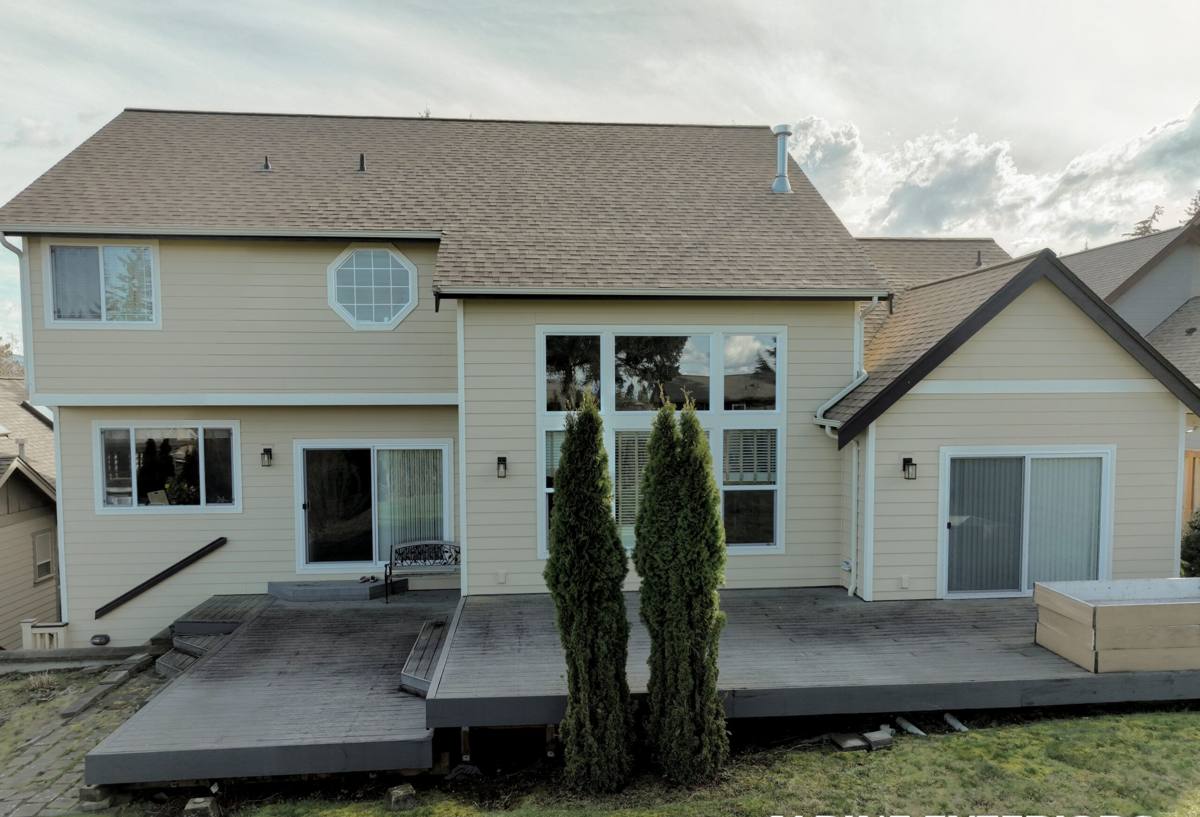
 Building Decks for Forest Lakes Homes
Forest Lakes is one of Oldsmar's established residential communities, and a lot of the homes here were built with backyards that were never really finished off — a slab patio, a stretch of grass, maybe an old wood deck that's seen better days. A well-built deck changes how a family actually uses that space, and in Pinellas County that means building it to handle a very different set of conditions than a deck in, say, Ohio or Colorado.
We build and replace decks throughout Oldsmar, and Forest Lakes is a neighborhood we know well — the lot sizes, the mix of home styles, and the way Tampa Bay weather treats an outdoor structure over the years. This page covers what actually matters when you're putting a deck in the ground here, not generic deck-building advice pulled from a national site.
What Gulf Coast Weather Does to a Deck
Oldsmar sits close enough to Tampa Bay that salt-laden air is a real factor, even a few miles inland. Combine that with the other stresses Florida throws at outdoor structures, and you get a shortlist of things every Forest Lakes deck has to survive:
- Hurricane-force wind loads — structural connections, not just the decking surface, are what keep a deck attached to the house and standing through a storm season.
- Intense, year-round UV — Florida sun breaks down cheap composite fillers and dries out untreated wood faster than almost anywhere else in the country.
- Wind-driven rain — rain here doesn't fall straight down; it gets pushed sideways into ledger boards, fastener heads, and any gap where water can collect.
- Salt air — accelerates corrosion on fasteners, joist hangers, and any hardware that isn't rated for coastal exposure.
- Humidity and daily thermal cycling — wood and composite boards expand and contract constantly, which is what causes gaps, cupping, and loose screws over time if the install wasn't done with that movement in mind.
None of this means a deck in Forest Lakes can't last decades. It means the materials and fasteners have to be chosen for this climate specifically, and the build has to account for water and wind from day one — not as an afterthought.
The Ledger Board: Where Most Deck Failures Start
The single most important — and most commonly rushed — part of any deck attached to a house is the ledger board connection. This is the board that ties the deck to the structure of your home, and it's also the number one spot where wind-driven rain finds its way behind siding and into framing if it isn't flashed correctly.
What a correct ledger installation includes
- Proper flashing that directs water away from the house, not into it
- Corrosion-resistant, coastal-rated lag bolts or through-bolts — not construction screws
- A gap or flashing detail that lets any moisture that does get behind the ledger drain and dry out
- Attachment into solid framing, verified before the board goes up, not assumed
We've seen decks in this area fail at the ledger long before the decking surface itself showed any wear — usually because the original install skipped flashing or used the wrong fasteners to save time. It's the part of the job nobody sees once it's finished, which is exactly why it has to be done right the first time.
Framing and Fasteners Built for Coastal Exposure
Below the decking boards, the framing does the real structural work — and it's the part of the deck most exposed to standing moisture, since water runs off the top surface and lands directly on the joists and beams underneath.
For Forest Lakes builds, that means:
- Pressure-treated lumber rated for ground contact where posts meet the soil
- Stainless steel or hot-dip galvanized fasteners and joist hangers rated for coastal/salt-air exposure — standard zinc-coated hardware corrodes faster here
- Joist spacing and beam sizing engineered for Florida wind uplift requirements, not just the minimum span tables
- Post footings sized and set to local frost-free depth and soil conditions, with proper concrete encasement
This is also where permitting matters. Pinellas County and the City of Oldsmar require permits for most deck construction, and the plans need to reflect current Florida Building Code wind-load standards for this zone. A permitted, inspected deck isn't just a legal formality — it's a second set of eyes confirming the structure will actually hold up.
Choosing a Decking Surface for This Climate
The surface material is the part homeowners think about most, and it's worth getting right, since it's what you'll walk on barefoot and look at every day.
| Material | How It Handles Sun & Humidity | Maintenance | Typical Lifespan Here |
|---|---|---|---|
| Pressure-treated wood | Needs regular sealing to resist UV fading and moisture cycling | Annual cleaning and re-sealing recommended | 10-15 years with upkeep |
| Composite decking | Resists moisture well; quality varies by brand for UV fade resistance | Periodic washing; no sealing or staining | 20-25+ years |
| Tropical hardwoods (e.g. ipe) | Naturally dense and rot-resistant, but can check/crack in extreme UV without oiling | Periodic oiling to maintain color and prevent checking | 25+ years |
We don't push one material on every homeowner. Wood costs less up front but asks for real upkeep in this sun. Composite costs more initially but shrugs off humidity and UV with far less maintenance, which is why it's become the default choice for a lot of Forest Lakes families who want to actually use their deck instead of maintaining it. The right call depends on your budget, how much upkeep you want to do, and how the deck sits relative to sun exposure and tree cover on your specific lot.
A note on lower-grade composite products
Not all composite decking is built the same. Some budget composite boards use fillers and cap layers that don't hold up as well under constant Gulf Coast UV exposure — they can fade unevenly or degrade faster than the manufacturer's marketing suggests. Our standard is to install boards with UV-stable formulations and manufacturer warranties that specifically cover Florida-level sun exposure, and we'll walk you through exactly what that warranty does and doesn't cover before you commit.
Our Deck Building Process in Forest Lakes
- On-site consultation — we walk the property, talk through how you'll use the space, and take note of sun exposure, drainage, and access to the house.
- Design and material selection — sizing, layout, railing style, and decking material chosen based on your budget and maintenance preference.
- Permitting — we handle the permit application and engineering documentation required by Oldsmar and Pinellas County.
- Site prep and footings — post locations laid out and footings poured to proper depth and code spec.
- Framing — ledger, beams, and joists installed with coastal-rated hardware and correct flashing.
- Decking and railing installation — surface boards and railing system installed per manufacturer spacing guidelines to account for thermal movement.
- Final inspection and walkthrough — county inspection scheduled, then a walkthrough with you before we call the job done.
Why Local Experience in Oldsmar Matters
A crew that only occasionally works in this area has to relearn the local permitting process, the flood zone and wind zone requirements, and which materials actually hold up here every single time. A crew that regularly works Forest Lakes and the surrounding Oldsmar neighborhoods already knows:
- What Pinellas County and City of Oldsmar inspectors look for on deck permits
- Which fastener and hardware grades are worth the extra cost in this salt-air environment
- How local soil and drainage patterns affect footing placement
- What decking products genuinely perform well under year-round Florida sun versus what just looks good in a showroom
That familiarity translates into fewer surprises during permitting, fewer callbacks after the first hard rain, and a deck that's actually built for the conditions it will sit in for the next two or three decades.
Maintaining Your Deck After It's Built
Whatever material you choose, a little regular attention goes a long way in this climate:
- Rinse off salt residue, pollen, and debris every few weeks, especially after storms
- Check fastener heads and railing connections annually for corrosion or looseness
- Reseal or re-oil wood decking on the schedule the product calls for — don't wait until it looks bad
- Keep gutters and downspouts near the deck clear so water isn't dumping directly onto framing or footings
- Trim back vegetation that's shading the deck constantly and keeping it damp
If you're planning a new deck in Forest Lakes or replacing one that's past its prime, we're happy to take a look and give you an honest read on what your space and budget can support. Fill out the form below for a free, no-pressure estimate.