 Oldsmar Siding
 Windows Built for What Westchase Actually Deals With
Homes in and around Westchase sit close enough to the Gulf that the weather isn't an abstract concern — it's a design requirement. Hurricane-force wind events, sun that beats down nearly every day of the year, wind-driven rain that finds any gap in a window's seal, and a steady drift of salt air off the coast all work on a window's frame, glass, and hardware at the same time. A window that was fine for a mild climate somewhere else often starts failing here within a handful of years: seals let go, frames warp, hardware corrodes, and UV chews through vinyl and finishes faster than most homeowners expect.
"Custom" windows aren't a luxury upsell in this context — they're windows sized, engineered, and glazed to fit your specific openings and your specific exposure, rather than whatever stock size happens to be on a shelf. For Westchase homes, that usually means addressing three things at once: wind resistance, heat/UV control, and moisture management, without one solution creating a problem in another area.
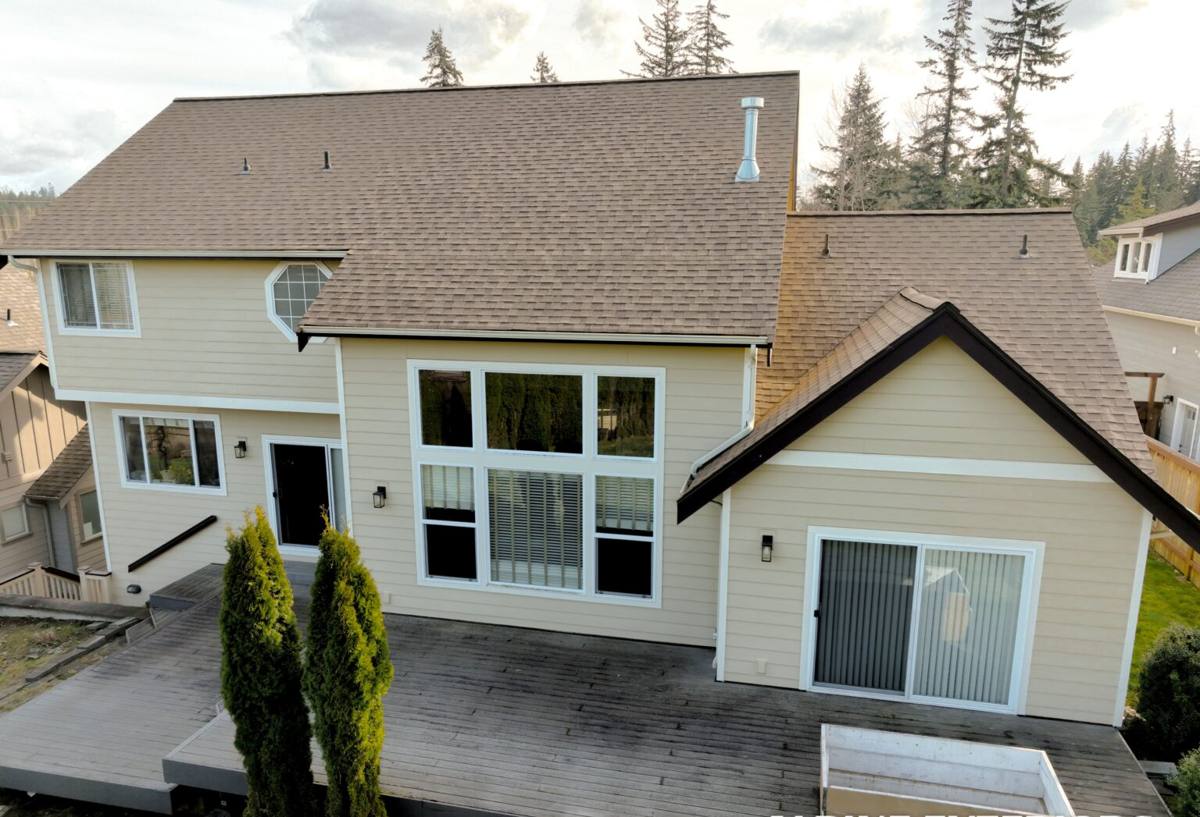
What "Custom" Actually Means Here
A lot of window sales pitches use the word "custom" loosely. In practice, a genuinely custom window job involves a few specific things:
Exact Opening Measurements
Older homes and additions in this area rarely have perfectly square, standard-size openings. A custom order is built to your actual rough opening — not the nearest catalog size with shims and extra caulk to make up the difference. Gaps filled with foam and trim instead of a true fit are where wind-driven rain finds its way in during a storm.
Glazing Matched to Sun Exposure
A west-facing wall of windows in full Florida sun needs different glass performance than a shaded north-facing room. Custom orders let us spec different low-E coatings or tint levels by elevation instead of putting one generic glass package on the whole house.
Frame Material Chosen for the Application
Not every frame material belongs on every wall. Impact-rated vinyl works well in most standard openings; larger openings or areas with heavier structural loads sometimes call for reinforced vinyl, aluminum, or composite framing. We size the material to the opening, not the other way around.
Signs Your Current Windows Aren't Holding Up
Most homeowners don't replace windows on a schedule — they replace them when something starts going wrong. Here's what that usually looks like in this climate:
- Fogging or a permanent haze between panes — the seal has failed and the insulating gas has escaped
- Frames that feel soft, chalky, or are visibly warping, especially on south- and west-facing walls
- Water staining or a musty smell near the sill after heavy rain, even with the window fully closed
- Hardware — locks, cranks, hinges — that's stiff, corroded, or has stopped working smoothly
- A noticeable rise in cooling bills without any other change in usage
- Drafts or a rattling sound during windy conditions
- Difficulty opening or closing, which often means the frame has shifted out of square
Any one of these on its own might just need a repair. Several at once, especially on an older window, usually means the unit has reached the end of what it can reasonably be patched.
Frame and Glass Options, Compared Honestly
There's no single "best" window for every home — it depends on the opening, the budget, and how much maintenance you want to take on. Here's how the common options stack up for a coastal Florida application:
| Option | Wind/Impact Performance | Maintenance | Typical Fit |
|---|---|---|---|
| Impact-rated vinyl | Strong, meets most residential requirements | Low — no painting, resists salt corrosion | Most standard window and door openings |
| Reinforced/heavy vinyl | Higher capacity for larger openings | Low | Larger picture windows, wider spans |
| Aluminum | Very strong, narrow sightlines | Moderate — can pit or corrode near salt air without proper finish | Large openings, modern architectural styles |
| Wood or wood-clad | Depends on cladding and installation | Higher — needs regular sealing/finish upkeep | Homes prioritizing a traditional interior look |
For most Westchase-area homes, impact-rated vinyl hits the best balance of storm performance, low upkeep, and cost. We'll walk through where a different material genuinely makes sense for your specific openings rather than defaulting to one product line for every job.
Glass Considerations
Beyond frame material, the glass package matters just as much for comfort. Low-E coatings reduce how much heat transfers through the glass, which matters on almost every elevation of a Florida home. Laminated glass — glass with an interlayer bonded between two panes — is what actually provides impact resistance; it stays intact even when the outer surface cracks, which is what keeps wind and water out during a storm event.
How the Process Works
- On-site assessment. We look at your existing windows, note which are original, which have been replaced, and how each opening is holding up.
- Measurement and product selection. Every opening gets measured individually. We go over frame material, glass package, and finish options based on that window's sun exposure and location on the house.
- Order and lead time. Custom units are built to spec, so lead times run longer than off-the-shelf stock — we'll give you a realistic timeline up front, not an optimistic one.
- Removal and installation. Old units come out, openings are checked for hidden rot or moisture damage before the new window goes in, and each unit is set, shimmed true, and sealed properly — not just caulked over.
- Final check. We test operation, confirm seals, and walk the job with you before we call it done.
Permits, Wind Ratings, and Local Code
Window replacement in this part of Florida isn't a grab-a-box-from-the-store project. Depending on your specific wind zone and the scope of the job, replacements typically require a permit and have to meet applicable wind-load and impact requirements for the area. We handle that process — pulling the permit, making sure the product we're installing carries the right approval for your location, and scheduling inspection — so you're not left figuring out code requirements on your own. Skipping this step, or having someone install product that isn't rated for your zone, can create real problems at resale or with insurance down the line.
What Actually Drives the Cost
Every job is different, but the same handful of factors drive most of the price difference between one window job and another:
| Factor | Why It Matters |
|---|---|
| Opening size and quantity | Larger and more numerous openings mean more material and labor |
| Frame material | Vinyl, reinforced vinyl, aluminum, and wood carry different material costs |
| Glass package | Impact-rated laminated glass and specialty low-E coatings add cost over basic glazing |
| Structural condition | Rot, water damage, or an out-of-square opening found during removal adds repair work |
| Access and site conditions | Second-story or hard-to-reach openings take more time and equipment |
| Permit and inspection scope | Larger jobs or full-house replacements involve more coordination |
We don't quote a job until we've actually measured the openings and seen the condition behind the trim — a number based on square footage alone almost never survives contact with the actual house.
Keeping New Windows Performing
Custom windows are a long-term investment, and a little upkeep goes a long way toward protecting it in this climate:
- Rinse frames and tracks periodically to clear salt residue, especially on homes closer to the water
- Check and lubricate hardware — locks, cranks, rollers — once or twice a year
- Inspect exterior caulk lines annually and reseal if you see cracking or separation
- Clear debris from weep holes so water can drain out of the frame as designed
- Have seals and glazing checked after any major storm, even if nothing looks obviously damaged
Why It Matters to Hire a Crew That Already Works This Area
Window installation quality comes down to details that don't show up in a brochure: how the opening is prepped, how the unit is shimmed and sealed, and whether the flashing actually directs water where it's supposed to go instead of into the wall cavity. A crew that regularly works Westchase and the greater Oldsmar and Pinellas County area already knows the kind of construction common to homes here, the wind and code requirements that apply, and the failure patterns — like sill rot or degraded old sealant — that show up again and again once trim comes off. That familiarity means fewer surprises mid-project and a better chance the finished install actually performs the way it's supposed to during the next storm season, not just on the day it's installed.
If your windows are showing their age or you're planning ahead for the next storm season, we're happy to take a look and give you a straightforward, no-pressure estimate — just fill out the form below.