 Oldsmar Siding
 Custom Windows in Tampa Bay Golf and Country Club: What "Custom" Really Means
Tampa Bay Golf and Country Club sits inland from the coast but still well within reach of everything Pinellas County weather throws around: sustained summer humidity, punishing UV exposure nearly year-round, wind-driven rain during storm season, and salt-laden air that travels further than most homeowners expect. Homes in this community span several decades of construction styles, which means window openings are rarely a uniform, off-the-shelf size. "Custom windows" here isn't a marketing term — it's a practical necessity for a neighborhood where original openings, stucco returns, and trim details vary from block to block.
This page is specifically about custom window work in this one community, not a general overview of window replacement. If you're weighing whether to repair, replace, or reconfigure windows on a home in this area, the details below reflect what actually matters for this climate and this type of housing stock.
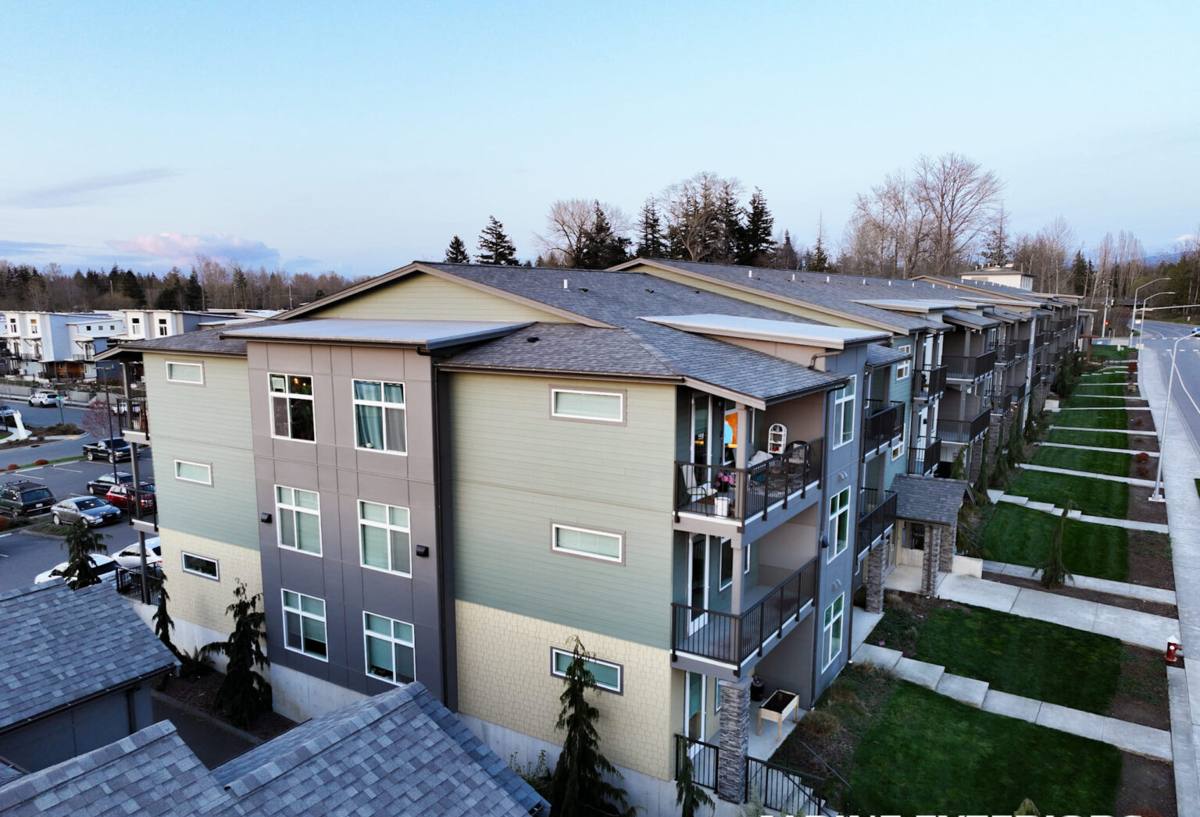
Why Standard Windows Often Don't Fit
Non-Standard Openings
Many homes built in earlier decades used framing dimensions that don't match today's standardized window sizes. When a contractor tries to force a stock-size unit into an opening that's an inch or two off in either direction, the result is usually excessive shimming, uneven caulk lines, or worse — a modified opening that compromises the structural nailing flange or weakens the surrounding wall assembly. Custom-sized units are manufactured to the exact opening, which keeps the installation clean and keeps the water-management details intact.
Architectural Shapes
Arched transoms, picture windows paired with operable flankers, and bay or bow configurations are common in this community's larger and mid-tier homes. These shapes require custom fabrication rather than a catalog part number, and they demand more precise flashing work because water has more places to find a way in around curves and mulled joints.
Stucco and Trim Considerations
Florida stucco exteriors add another layer of complexity. A custom window replacement often means cutting back stucco to the correct reveal, re-flashing properly, and patching to match texture — not just popping a new window into an old hole and caulking the edges.
The Climate Factors That Drive Every Decision
Four conditions shape nearly every recommendation we make for windows in this part of Pinellas County:
- Hurricane-force wind: Even homes outside the highest-risk coastal strip need windows and glazing rated to handle high wind pressure and, in many cases, wind-borne debris impact.
- Year-round UV: Constant sun exposure degrades vinyl, breaks down seals, and fades interior finishes faster than in most other parts of the country.
- Wind-driven rain: Storms here don't just drop rain — they push it sideways under pressure, which means flashing and drainage details matter as much as the window unit itself.
- Salt air: Even at an inland distance from open water, airborne salt accelerates corrosion on hardware, fasteners, and lower-grade metal components.
Any custom window package for this community needs to answer to all four, not just the one that happens to be top of mind that year.
Impact-Rated Glass vs. Protective Shutters
Florida Building Code requires that window openings in wind-borne debris regions either use impact-rated glazing or have an approved protective covering (shutters or panels) ready to deploy. Both routes satisfy code, but they behave very differently day to day.
| Factor | Impact-Rated Windows | Standard Windows + Shutters |
|---|---|---|
| Daily living | No action needed before a storm | Shutters must be installed/deployed each time |
| Noise and UV | Laminated glass reduces both noticeably | Standard glass; no added benefit day-to-day |
| Upfront cost | Higher per opening | Lower window cost, added shutter cost |
| Long-term maintenance | Fewer moving parts to maintain | Shutter tracks/hardware need periodic upkeep |
| Storm prep time | None required | Time-consuming if a storm approaches quickly |
Neither option is objectively wrong for every homeowner — it depends on budget, how the home is used, and how much storm-prep effort you want to take on each season. We'll walk through both honestly rather than push whichever carries a bigger margin.
Frame Material Options
For custom sizing, we typically work with vinyl or aluminum frames, each with real trade-offs in this climate:
| Material | UV/Heat Performance | Salt Air Resistance | Best Fit |
|---|---|---|---|
| Vinyl | Good with quality UV-stabilized formulations; lower-grade vinyl can chalk or warp over time | Naturally corrosion-resistant | Most standard and moderately custom openings |
| Aluminum | Very stable dimensionally in heat; doesn't warp | Requires quality coatings/hardware to resist corrosion long-term | Larger spans, architectural shapes, impact configurations |
We size the frame material recommendation to the opening, not the other way around — a large custom picture window and a small bathroom replacement don't always call for the same material.
Our Process for Custom Window Projects
1. On-Site Assessment
We measure every opening individually rather than assuming uniformity across the house. We also check the condition of the surrounding framing, stucco, and existing flashing, since a custom window job frequently uncovers issues that were hidden behind the old unit.
2. Product Selection
We go over frame material, glass package (including impact-rated laminated options), and configuration based on your budget, the opening's exposure, and how the room is used. There's no single "right" answer for every window on a house — a west-facing wall dealing with afternoon sun has different priorities than a shaded side yard opening.
3. Manufacturing Lead Time
Because these units are built to custom dimensions rather than pulled from stock, lead times run longer than a standard replacement. We'll give you a realistic timeline up front rather than a vague estimate, so you can plan around it.
4. Removal and Installation
Old units are removed carefully to protect surrounding stucco and interior finishes. New units are set plumb and level, mechanically fastened per the manufacturer's and code's requirements, and shimmed correctly — not wedged in to "make it work."
5. Flashing and Sealing
This is where a lot of window failures actually originate, and it's rarely the glass or frame that's at fault. Proper flashing integration with the wall's water-resistive barrier, correct sealant selection, and attention to weep paths are what keep wind-driven rain out over the long run. We treat this step as equal in importance to the window unit itself.
6. Final Inspection and Cleanup
We check operation, sealant lines, and hardware, and make sure the surrounding area is left clean — including stucco patch areas if applicable.
Maintenance That Actually Matters Here
Custom windows are a bigger investment than stock units, so protecting that investment is worth a few minutes a year:
- Rinse frames and hardware periodically to clear salt residue, especially on aluminum components.
- Inspect exterior sealant lines annually for cracking or separation, particularly after storm season.
- Lubricate locks, hinges, and rollers on operable units to prevent salt-air corrosion from seizing moving parts.
- Check weep holes at the bottom of the frame to make sure they're clear of debris so water can drain as designed.
- Watch for chalking or discoloration on lower-grade vinyl, which can signal UV breakdown starting to set in.
Why Local Experience in This Community Matters
A contractor who has actually worked on homes in Tampa Bay Golf and Country Club understands the range of construction eras and opening sizes in the neighborhood before they ever pull a tape measure. That translates into more accurate initial estimates, fewer surprises once demolition starts, and a better sense of which product lines hold up honestly in this specific combination of heat, humidity, and salt exposure — versus what looks good on a spec sheet but underperforms in the field. It also means familiarity with the permitting expectations Pinellas County applies to window replacement, so the paperwork side doesn't stall the project.
Questions to Ask Before You Sign a Contract
- Is the quote based on actual measurements of my openings, or a rough estimate?
- What wind rating and impact rating does this specific product carry, and is that documentation available?
- Will you handle the permit, and is that cost included in the quote?
- How will you flash and seal the opening — not just what glass or frame you're installing?
- What's the realistic lead time given current manufacturing schedules?
- What's covered under warranty, and is it the manufacturer's warranty, the installer's, or both?
If a contractor can't answer these clearly, that's worth noting before you commit.
If you're considering custom windows for a home in Tampa Bay Golf and Country Club, we're happy to come take a look, measure your openings, and talk through honest options for your budget and exposure — no pressure, no obligation. The estimate form below is a quick way to get that conversation started.