 Oldsmar Siding
 Building a Deck That Actually Holds Up in Largo
A deck in Largo has to earn its keep every day of the year, not just on the nice afternoons. Pinellas County sun bakes exposed wood and fades composite boards. Wind-driven rain off the Gulf finds its way behind ledger boards and under poorly flashed rim joists. Salt-laden air corrodes cheap fasteners and hardware faster than most homeowners expect. And when a named storm rolls through, a deck's framing and attachment to the house are tested for real. A deck built to a generic national spec often struggles here within a few seasons. One built for this climate, correctly fastened and flashed, can last decades with normal upkeep.
We work on homes throughout the Oldsmar and Largo area regularly, which means we're not guessing at what local soil, drainage, and wind exposure demand — we see the results of good and bad deck-building on a weekly basis.
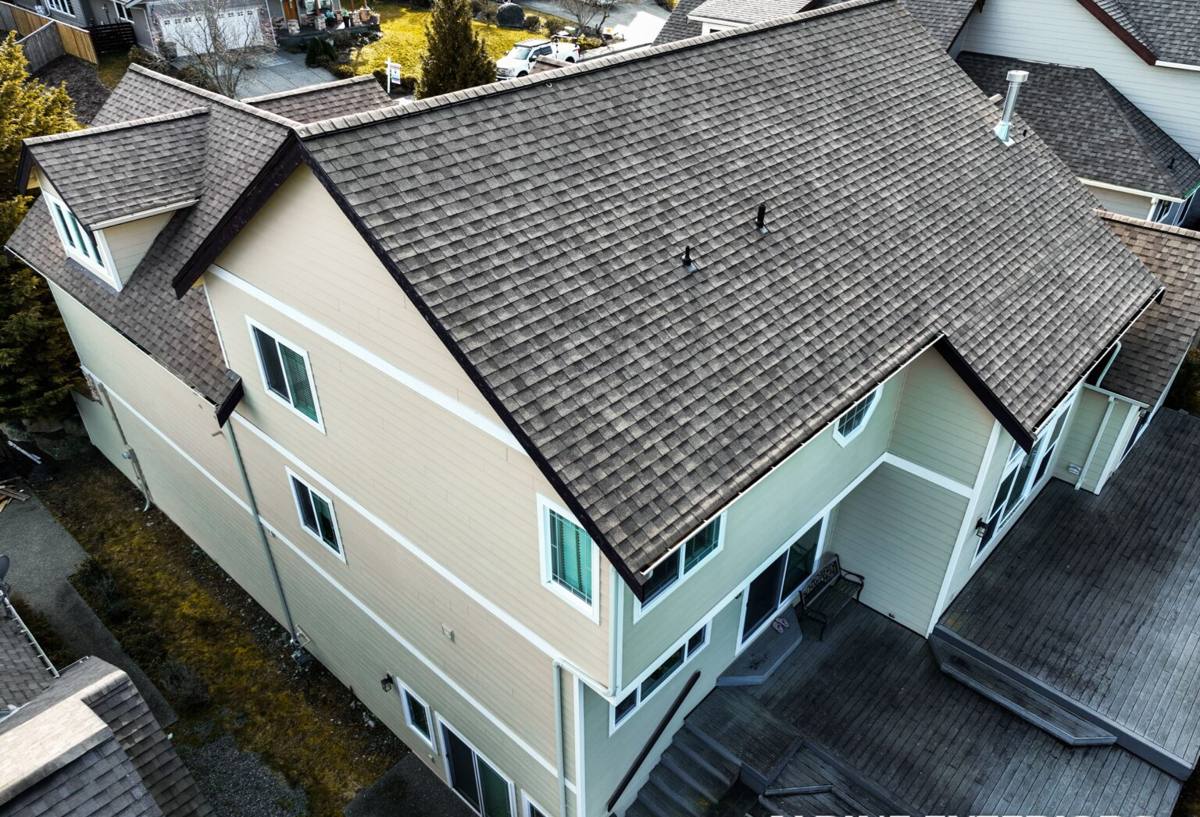
What Largo's Climate Actually Does to a Deck
UV and Heat
Central Florida sun is intense and nearly year-round. Untreated or poorly sealed wood grays, splits, and checks faster than it would up north. Composite decking varies a lot by product line in how well its color and surface hold up under sustained UV — cheaper capped-composite products can fade unevenly, especially where furniture or planters create shade patterns.
Wind-Driven Rain
Rain here rarely falls straight down. During storms it drives sideways and works its way into any gap in flashing, especially where a deck ledger board meets the house. If that connection isn't flashed correctly, water gets behind the siding or into the rim joist, and you get rot and mold you can't see until it's a structural problem.
Salt Air
Largo isn't beachfront, but it's close enough to the Gulf and Tampa Bay that salt-laden air still accelerates corrosion on unprotected metal. Standard zinc-coated fasteners and generic hardware corrode and stain faster in this environment than they would inland. It shows up first as rust streaks on decking and rail posts, then as weakened connections.
Wind Load
Florida Building Code wind requirements apply to deck framing and railing just like they do to the rest of the house. Ledger attachment, joist hangers, post bases, and guard rail posts all need to be sized and fastened to resist uplift and lateral load, not just support someone's body weight standing still.
Getting the Ledger and Framing Right
The ledger board — the piece that bolts the deck to the house — is the single most common point of failure we see on older or poorly built decks in this area. It has to be properly flashed with a water-shedding detail (not just caulk, which fails over time), lag-bolted or through-bolted per code rather than just nailed, and set at the correct height relative to the interior floor and any door thresholds.
Framing decisions that matter in this climate:
- Pressure-treated joists and beams rated for ground contact where they're close to grade or exposed to standing water
- Stainless steel or heavy hot-dip galvanized (not standard zinc) structural screws and joist hangers to resist salt-air corrosion
- Proper joist hanger nailing — every hole filled with the correct fastener, not just a couple of nails to hold it in place
- Post bases set on footings sized for Pinellas County soil and local wind uplift requirements, not a one-size-fits-all footing
- Beam and joist spans calculated for the actual decking material and spacing chosen, since composite and PVC often have different span limits than wood
Choosing Decking Material for This Climate
There's no single "best" decking material — there's a best fit for your budget, sun exposure, and how much upkeep you want to do. Here's how the common options actually perform in a Largo yard:
| Material | UV/Heat Behavior | Salt Air Behavior | Maintenance |
|---|---|---|---|
| Pressure-treated wood | Grays and can check without regular sealing | Fasteners need corrosion-resistant coating | Sealing/staining every 1-2 years |
| Capped composite | Good color retention on quality lines; heat can build up underfoot | Board material unaffected; hardware still needs to be corrosion-rated | Occasional washing, no sealing |
| PVC decking | Excellent UV stability, stays cooler on lighter colors | Fully inert to salt exposure | Lowest maintenance, higher upfront cost |
| Tropical hardwood | Naturally dense and stable, but still grays without oiling | Needs stainless fasteners to match the wood's lifespan | Oiling every year or two to maintain color |
Whatever decking you choose, the fasteners and hidden hardware matter as much as the boards themselves. We don't cut corners on hardware grade to save a few dollars, because that's exactly what fails first in salt air — often years before the decking itself shows any wear.
Railing, Stairs, and Code Compliance
Guard rails and stairs aren't optional design flourishes — they're code-driven safety components, and they take the brunt of wind load on an elevated deck. Correct practice includes:
- Guard rail height meeting Florida Building Code (typically 36" for residential, higher for some configurations)
- Baluster spacing that meets the 4-inch sphere rule so a small child can't pass through
- Post attachment engineered to resist lateral load, not just toe-screwed into the rim joist
- Stair stringers sized for the actual rise and run, not a generic pre-cut stringer that doesn't match your deck height
- Handrails on stairs with more than a few risers, graspable and properly terminated
A deck that looks finished but skips these details can pass a casual glance and still fail an inspection, or worse, fail structurally under load during a gathering or a storm.
Elevated Decks and Drainage
Decks built higher off grade need attention to what happens underneath — standing water, poor grading, or blocked airflow under the deck accelerates rot in framing even when the visible boards look fine. Where it makes sense, we grade and vent the space beneath an elevated deck so moisture doesn't just sit there after every Florida downpour.
Permits and Inspections in Pinellas County
Most new decks and significant deck rebuilds require a permit and inspection in Pinellas County, and for good reason — the ledger attachment, footings, and railing are exactly the components that cause injuries or storm damage when done wrong. We pull the required permits, schedule inspections at the right stages (footings before backfill, framing before decking, final on completion), and build to pass — not to squeak by.
Our Process for a Largo Deck Project
- On-site assessment — we look at your home's structure at the ledger location, existing grade, sun/shade exposure, and how you actually plan to use the space
- Design and material selection — sizing, layout, decking material, and railing style based on your budget and maintenance preference
- Permitting — we handle the paperwork and engineering documentation Pinellas County requires
- Framing — ledger flashing, corrosion-resistant hardware, and footings sized for local soil and wind requirements
- Decking, railing, and stairs — installed per manufacturer spec and code, including fastening patterns that matter for wind uplift
- Final walkthrough and inspection — we don't consider the job done until it passes inspection and you've walked it with us
Why Local Experience Matters for This Project
Deck-building isn't uniform across the country, and treating a Largo project like it's happening in a dry, low-wind climate is how decks end up with rotted ledgers and rusted hardware inside five years. A crew that regularly works in Oldsmar and the surrounding Largo area already knows which fastener grades hold up, which footing depths satisfy local soil conditions, and which flashing details actually keep wind-driven rain out. That familiarity shows up in the parts of the deck you won't see once it's finished — and those are the parts that determine whether it's still solid in fifteen years.
A Practical Checklist Before You Hire Anyone
- Do they pull permits and schedule inspections, or suggest skipping that step?
- Do they specify stainless or heavy hot-dip galvanized fasteners, or just "standard" hardware?
- Can they explain how the ledger board will be flashed against your specific siding?
- Do they size footings and framing for your actual soil and wind exposure, or use a generic plan?
- Are railing height and baluster spacing built to current Florida Building Code?
- Do they offer a clear material comparison instead of pushing one product regardless of your needs?
If you're planning a new deck or replacing one that's showing its age in the Largo area, we're happy to take a look and give you honest options for your budget and how you'll use the space. Reach out for a free, no-pressure estimate using the form below.