 Oldsmar Siding
 Building a Custom Deck for Eastlake Woodlands
Eastlake Woodlands is one of Oldsmar's established golf course communities, with mature tree canopy, ponds worked into the layout, and homes that back up to fairways, greens, or water on a good number of lots. That setting is part of what makes the neighborhood desirable, and it's also exactly what a custom deck built here needs to be designed around — not just a generic deck plan dropped onto any lot in Pinellas County.
A deck is a structure that lives outside year-round with no roof over it, and in this part of Florida that means it takes the full brunt of whatever the season brings: hurricane-force wind during storm season, intense UV for most of the calendar year, wind-driven rain, and the humid, salt-tinged air that settles over Tampa Bay communities even a few miles back from open water. This page covers what a custom deck actually needs to hold up in Eastlake Woodlands, what a correct build involves, and why hiring a crew that already works this specific community matters.
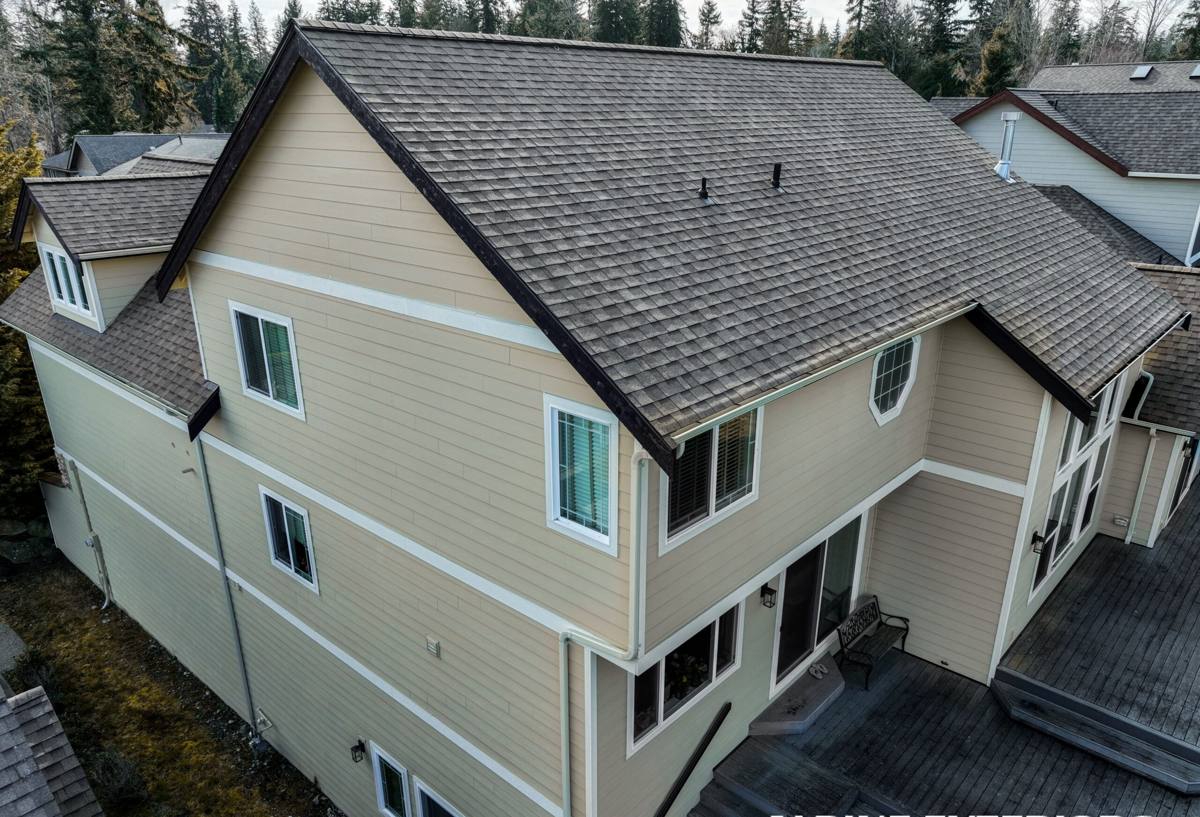
What This Climate Does to a Deck
Hurricane-Force Wind
Wind load isn't a theoretical concern for a deck in Oldsmar — it's a real design condition that shows up in the framing size, the fastening schedule, and how a railing system is attached to its posts. A deck that's undersized or under-fastened for wind won't necessarily show it on a calm day; it shows up the first time a storm actually tests it, in a loosened railing post or worse.
Intense, Year-Round UV
Florida sun is strong for most of the calendar year, not just in summer, and a deck sits directly under it with no wall or roofline to break it up. UV breaks down unstabilized plastics and finishes, fades color unevenly, and drives surface temperature up on darker decking — something worth thinking about on a deck kids or bare feet will actually use.
Wind-Driven Rain
Storms here don't drop straight down. Wind pushes rain sideways, up under railings, and into ledger connections and board gaps that were sized for calm weather instead of a real storm. A deck that sheds water fine on an ordinary afternoon can still trap moisture the moment wind gets involved, and in this part of Florida wind is involved often enough that it has to be part of the design, not an afterthought.
Salt Air Off Tampa Bay
Oldsmar sits along the upper reaches of Tampa Bay, and even a lot that isn't waterfront still gets a steady dose of humid, salt-tinged Gulf Coast air moving through. That air accelerates corrosion in exposed metal — fasteners, brackets, post hardware, railing connectors — well before it's visible on the surface. A fastener that's quietly losing holding strength is a bigger problem on a structure people walk and stand on than it would be almost anywhere else on the house.
Life on a Golf Course Lot: What's Different Here
Eastlake Woodlands has a few site conditions that come up more often here than on a typical Oldsmar lot, and they're worth working through before a design gets finalized.
Fairway- and Pond-Facing Lots
A lot that backs to a fairway or a pond usually means the deck is meant to be looked at and used, not just tucked against the back of the house, which changes railing choices — an open view versus a more private screen — as well as orientation and how much of the deck sits in shade versus open sun through the day. It's also worth thinking through where the deck sits relative to golf play, since a deck positioned close to an active fairway line is a different design conversation than one set further back on the lot.
Mature Tree Canopy
Established landscaping and mature trees are part of what makes a neighborhood like this one feel settled, but heavy canopy also means more shade, more leaf and pollen debris working into board gaps, and root systems that sometimes factor into where footings can go. A deck under heavy tree cover holds moisture longer between rains than one in open sun, which changes which decking materials make the most sense for that specific spot on the lot.
HOA and Architectural Review
Communities like Eastlake Woodlands generally have an HOA and architectural review process that exterior additions like a deck need to go through before construction, on top of standard Pinellas County permitting. That's a normal part of building here, not a red flag, but it does mean the design and approval process has an extra step compared to a neighborhood without deed restrictions, and it's worth having a contractor who plans for both from the start rather than treating HOA review as an afterthought.
Choosing the Right Decking Material for This Climate
Homeowners in Eastlake Woodlands generally choose between three categories of decking: wood, capped composite, and cellular PVC. Each handles Oldsmar's sun, humidity, and storm exposure differently.
Wood
Pressure-treated lumber and cedar are the traditional choice and can look great when new, but both need regular sealing or staining to hold up against sustained humidity, and both are more vulnerable to fastener corrosion in salt-tinged air over time. Left unmaintained even a season or two in this climate, wood is usually the first material to show graying, checking, and soft spots.
Capped Composite
Capped composite boards have a plastic shell around a wood-fiber composite core, which resists moisture absorption, staining, and UV fade significantly better than uncapped composite or wood. In a high-UV, high-humidity environment like this one, that cap layer is doing real work — it's the difference between a board that needs occasional washing and one that needs ongoing sealing to hold its color and integrity.
Cellular PVC
PVC decking contains no wood fiber at all, so it doesn't absorb moisture the way even capped composite can at cut edges or fastener holes, and some lines run noticeably cooler underfoot in direct sun. It typically costs more than composite and can flex more under heavy point loads, but for a deck that gets long hours of direct Florida sun or sits close to a pond, some homeowners find the added cost worth the extra moisture and heat performance.
| Material | Sun & Heat Handling | Wind & Storm Durability | Upkeep |
|---|---|---|---|
| Cellular PVC | Excellent — resists moisture and fade, many lines run cooler underfoot | Strong when properly framed and fastened | Occasional washing |
| Capped composite | Strong — cap layer resists UV fade and staining | Strong when properly framed and fastened | Occasional washing |
| Uncapped composite | Moderate — more prone to fading and moisture absorption over time | Adequate, but the material itself degrades faster | Periodic cleaning |
| Cedar | Moderate — needs sealing to resist checking and graying | Adequate if framed to wind-load spec | Regular oiling or sealing |
| Pressure-treated wood | Weak against sustained UV and humidity without upkeep | Adequate if framed to wind-load spec | Regular sealing or staining |
What a Correctly Built Deck Involves Here
The decking surface gets most of the attention, but in Oldsmar's climate, the framing, fasteners, and connection details underneath are what actually determine how long the deck lasts through hurricane season after hurricane season. A build done right here includes:
- Framing material sized and rated for Florida wind-load requirements, not a generic span table applied without checking it against local code
- Stainless steel or coastal-grade corrosion-resistant fasteners throughout, not standard hardware that starts corroding in salt-tinged air within a few seasons
- Hidden fastener systems on the deck surface where the product allows, reducing exposed metal and giving a cleaner walking surface
- Correct board gapping for drainage and material movement, so wind-driven rain can actually drain and dry instead of sitting between boards
- Proper ledger board flashing where the deck ties into the house, since that connection is one of the most common places wind-driven moisture gets in on a poorly built deck
- Joist spacing matched to the specific decking product's span rating rather than a generic framing layout
- Railing and post attachment sized for actual local wind requirements, not the minimum that happens to pass a quick inspection
- Grading and airflow underneath the deck so moisture and humidity don't sit against the framing between storms
Skip any one of those and the deck usually still looks fine on day one. The problems show up a storm season or two later, as a soft joist, a railing post that's started to loosen, or fastener corrosion staining the boards around it.
How Our Process Works
We start with a site visit to look at what's actually there — existing structure condition if it's a replacement, how the lot sits relative to the fairway, pond, or tree line, sun exposure through the day, and any HOA design guidelines the community has in place. From there we talk through decking material options that fit the budget and how the space will actually get used, whether that's a quiet spot to watch the course or a larger deck built for entertaining.
Permitting for a deck in Oldsmar goes through Pinellas County and follows Florida Building Code wind-load and structural requirements, and in a deed-restricted community like Eastlake Woodlands it also means putting the design through the HOA's architectural review before work starts. We handle both as part of the job rather than leaving the homeowner to sort out two separate approval processes on their own. Once approved, the build follows the sequence above — substructure and framing first, sized and fastened for real wind exposure, then the decking surface, railing, and any stairs or trim work. We finish with a walkthrough covering what the specific material you chose actually needs going forward, which for most modern decking is minimal, but not nothing.
What Your Deck Still Needs From You
Even a well-built deck in the right material needs some routine attention in this climate to get its full lifespan. A short list worth keeping in mind:
- Rinse or wash the deck surface periodically to clear pollen, leaf debris, and salt-tinged residue before it works into the surface or cap layer
- Keep gaps between boards clear of leaves and debris, especially under heavy tree canopy, so water and airflow can move through the way the design intends
- Check railing posts and hardware once a year for early corrosion or loosening, ideally heading into hurricane season
- Trim back overhanging branches that hold moisture against the deck or block sun and airflow across the surface
- Address any soft framing or standing water underneath right away — that's a structural issue, not a cosmetic one, and it doesn't improve with time
Why It Matters That We Already Work Eastlake Woodlands
A crew that mostly builds decks elsewhere in Pinellas County can still put one together competently, but a job in Eastlake Woodlands has variables that don't come up as often on a standard lot — HOA architectural review to plan around, wind-load and fastener requirements tied to Oldsmar's storm exposure, and site conditions shaped by mature trees, ponds, and fairway sightlines. Working this community regularly means we're not learning those requirements on your project. We know what the HOA review process expects from a submission, which decking lines actually hold up against this area's combination of sun, humidity, and storm wind, and which fastener grades and framing details are worth the extra time rather than an upsell.
That familiarity also shows up in the smaller judgment calls — how to orient a deck for the view and the wind a particular lot actually has, or being straightforward about what a deck here realistically needs to last versus what's just an extra line item.
Get a Straight Answer About Your Deck
Whether you're replacing a tired deck, building new, or want an honest read on what a custom deck would take on your Eastlake Woodlands property, we're happy to walk the site with you and lay out the options plainly. Reach out below for a free, no-pressure estimate.