 Oldsmar Siding
 Fiber Cement Siding Built for Countryside's Corner of Pinellas County
Countryside sits in the thick of Pinellas County's exterior weather problems — the same intense sun, salt-laden air, and storm exposure that every home along this stretch of the Tampa Bay area has to deal with. Siding here isn't just a cosmetic choice. It's the layer standing between your framing and a climate that works against it every single day of the year. This page covers one thing specifically: what fiber cement siding needs to look like, and be installed like, to actually hold up on a home in this neighborhood.
We install James Hardie fiber cement exclusively, and this isn't a generic overview of the product. It's a look at what local conditions demand, what a correct installation actually involves, and why a crew that already works in this area brings something a traveling or out-of-market contractor can't.
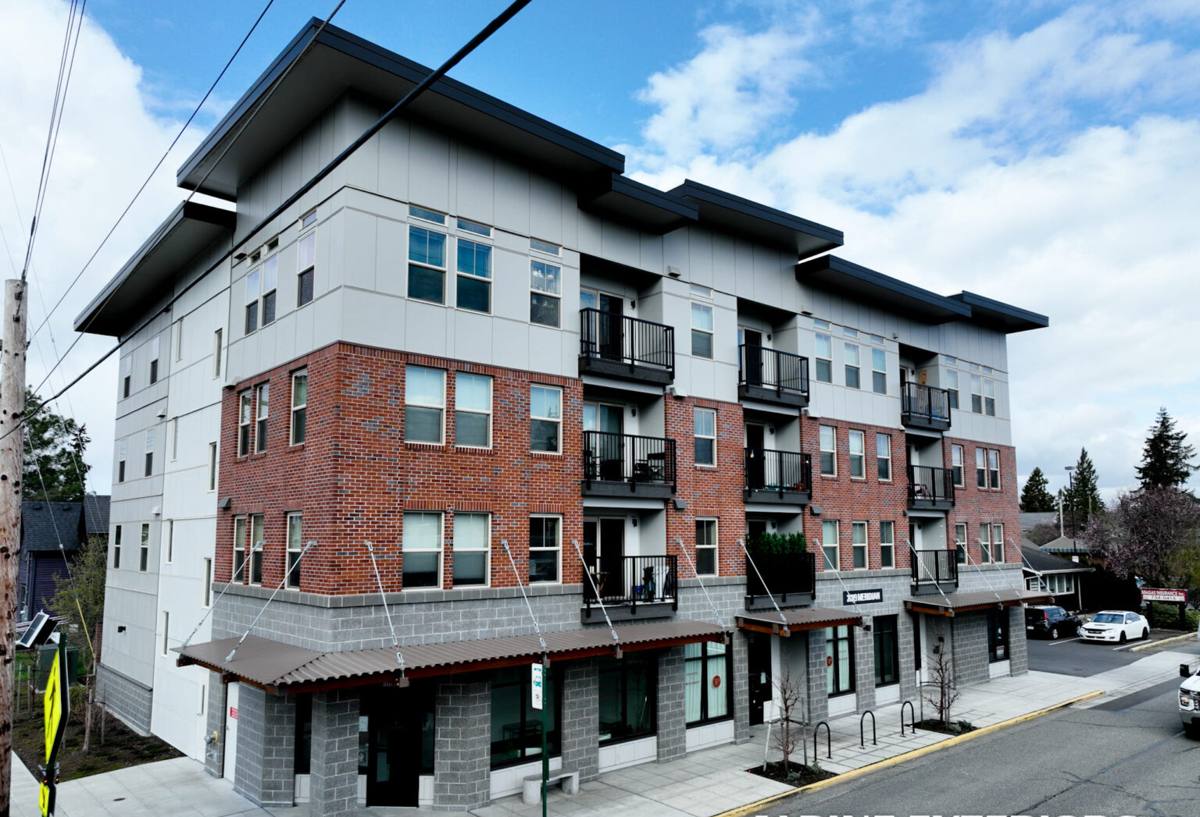
What Year-Round Florida Weather Does to Exterior Siding
Before talking about the right material, it helps to understand exactly what's attacking your siding. Homes in Countryside face a combination of stresses that few other regions in the country deal with all at once.
Heat and UV Exposure
Direct sun in this part of Florida is close to constant for much of the year. UV breaks down pigments and softens certain plastics and coatings over time, which is why siding that looks great on day one can fade, chalk, or warp within a few years if it wasn't engineered for this kind of exposure. Surfaces facing south and west take the worst of it.
Wind-Driven Rain
Florida rain rarely falls straight down. During storms it's pushed sideways by wind, which means it gets forced up under laps, into seams, and behind trim in ways a light drizzle never would. Siding systems that rely on caulk alone, rather than proper flashing and drainage, tend to let water in exactly where it's hardest to notice.
Salt Air and Humidity
Countryside isn't right on the coastline, but it's still close enough to Tampa Bay that salt-laden air reaches inland on a regular basis. Combined with Florida's humidity, that salt content accelerates corrosion on fasteners and metal components and adds another layer of wear to anything not built to handle it.
Hurricane-Force Wind Loads
Pinellas County sits in a wind zone that requires siding assemblies rated for high wind pressures, not just standard fastening. Uplift during tropical storms and hurricanes is the single biggest reason improperly installed siding fails — not because the material itself was bad, but because the fastening pattern or nailing schedule didn't match what the wind zone actually requires.
Why Fiber Cement Outperforms the Alternatives Here
We get asked fairly often why we don't offer vinyl, LP SmartSide, or other engineered wood options alongside Hardie. The honest answer is that in a climate like this one, those materials come with trade-offs we're not willing to put our name behind.
Vinyl softens and can distort in sustained high heat, and it has real limits on how much wind pressure it can resist regardless of how well it's installed. Engineered wood products depend heavily on an intact factory coating to keep moisture out — once that coating is compromised at a cut edge or fastener point, the wood substrate underneath is vulnerable to swelling and deterioration, especially in a humid climate where things don't dry out quickly. Fiber cement doesn't have that vulnerability because there's no wood fiber substrate to begin with; it's cement, sand, and cellulose fiber, which means moisture doesn't cause it to rot or swell the way it can with wood-based products.
| Factor | Fiber Cement (James Hardie) | Vinyl | Engineered Wood (LP-style) |
|---|---|---|---|
| Wind resistance | Engineered ratings for high wind zones | Limited by panel flex and fastening | Depends on substrate and installation |
| Heat/UV stability | Stable; factory finish resists fading | Can soften or distort in extreme heat | Coating can chalk; substrate unaffected by UV directly |
| Moisture behavior | Non-combustible cement base, doesn't rot | Doesn't rot but can trap moisture behind panels | Wood substrate vulnerable if coating is breached |
| Salt air durability | Good with proper fastener selection | Generally durable but can become brittle over time | Requires vigilant coating maintenance |
| Typical lifespan | Multiple decades when installed to spec | Long-lived but appearance can degrade sooner | Shorter if moisture management fails |
None of this means the alternatives are junk products — they have their place. It means that for the specific combination of heat, wind, rain, and salt air that Countryside homes deal with, fiber cement gives us the best odds of the siding still doing its job correctly fifteen or twenty years from now.
What a Correct Fiber Cement Installation Involves
Fiber cement siding is only as good as the installation underneath it. Most of the failures we see on older homes trace back to shortcuts taken during the original install, not the material itself.
Moisture Barrier and Flashing First
Before a single piece of siding goes up, the wall needs a continuous weather-resistant barrier, and every window, door, and penetration needs proper flashing so water is directed out and away from the structure rather than trapped behind the cladding. This is the step that determines whether wind-driven rain stays outside the wall assembly or works its way in.
Fastening for Wind Zone
Fastener spacing and type aren't a matter of preference — they're dictated by the wind zone your home sits in. Under-fastening is invisible from the street but shows up fast the first time a storm with real sustained winds comes through. We fasten to the specification for this area's wind exposure, not a generic national default.
Joint and Seam Treatment
Every seam, corner, and butt joint is a potential entry point for water if it's not treated correctly. That means proper overlap, sealant compatible with the siding system, and attention to how water is meant to shed at every transition — not just caulking everything and calling it done.
Clearances and Drainage
Fiber cement siding needs clearance from grade, roofing, decks, and other hard surfaces so water has somewhere to go and the bottom edge of the siding isn't sitting in standing moisture. This is a small detail that gets overlooked constantly and causes long-term problems that are easy to avoid at install time.
Installation Checklist We Hold Every Job To
- Continuous weather-resistant barrier installed before any siding goes up
- Flashing at every window, door, and penetration point
- Fastener type and spacing matched to the local wind zone
- Proper clearance maintained from roofing, decking, and grade
- Joints and seams treated for drainage, not just sealed and hoped for
- Factory-finished ColorPlus edges and cuts field-treated per manufacturer spec
- Final walk-through inspection before the job is called complete
James Hardie Product Lines and Finishes for This Climate
James Hardie builds region-specific formulations, and homes in this part of Florida call for the HZ10 product line, engineered for high-humidity, high-moisture climates rather than the drier HZ5 formulation used farther north and inland. That distinction matters more than most homeowners realize — it's the difference between siding formulated for this exact combination of humidity and heat, and siding that was engineered for somewhere else.
For Countryside homes we most often work with HardiePlank lap siding for the classic horizontal look, and HardiePanel for vertical or board-and-batten styling on accents and gables. Both are available with the factory-applied ColorPlus finish, which is baked on under controlled conditions rather than sprayed on-site, giving significantly better fade resistance under constant Florida sun than a field-applied paint job. ColorPlus finishes also carry their own dedicated warranty coverage separate from the substrate warranty, which is worth understanding before you pick a color and finish combination.
Our Installation Process for Countryside Homes
- On-site assessment — we look at your home's current siding condition, exposure direction, trim details, and any moisture or damage signs before recommending a scope of work.
- Tear-off and substrate inspection — removing the old siding lets us check the sheathing underneath for hidden rot or damage before it gets covered back up.
- Weather barrier and flashing installation — this is the layer that actually keeps water out, and it doesn't get shortcut regardless of schedule pressure.
- Fiber cement installation — HardiePlank or HardiePanel installed to the fastening schedule appropriate for this wind zone, with attention to every joint, corner, and penetration.
- Trim, caulking, and finish detailing — the details that determine whether the job looks clean and sheds water correctly for decades.
- Final inspection — a walk-through before we consider the job finished, not just when the siding is physically up.
Signs Your Countryside Home's Siding Needs Attention
A lot of siding problems in this climate develop slowly and are easy to miss until they've caused damage behind the wall. Watch for:
- Soft or spongy spots when you press on the siding near the bottom edge
- Visible warping, bowing, or separation at seams and corners
- Paint or finish that's peeling, chalking heavily, or fading unevenly by wall orientation
- Staining or streaking that suggests water is running behind the siding rather than off of it
- Gaps opening up around window and door trim
- Fastener heads showing rust or working loose from the surface
None of these on their own means a full replacement is needed, but they're worth having looked at before the next storm season rather than after.
Why a Local Crew That Already Works This Neighborhood Matters
Siding installation isn't one-size-fits-all across Florida, let alone across the country. A crew that regularly works Countryside and the surrounding Oldsmar area already understands the wind zone requirements, the way local humidity and salt exposure behave, and the kind of home styles and trim details common to this neighborhood. That familiarity shows up in fewer surprises during the job and fewer callbacks after it — because the details that matter here were accounted for from the first estimate, not figured out on the fly.
It also means accountability. A local crew has a reputation in this community to maintain, and that's a different incentive structure than a contractor passing through from out of the area.
If your Countryside home's siding is showing wear, or you're planning ahead of the next storm season, we're happy to take a look and give you a straightforward, no-pressure estimate — use the form below to get started.