 Oldsmar Siding
 Building a Deck That Actually Holds Up in This Climate
A deck in Countryside doesn't live an easy life. Between the intense Florida sun beating down nearly every day of the year, the salt-laden air rolling in off the Gulf, wind-driven rain that finds its way into every gap and seam, and the real possibility of hurricane-force winds during storm season, a deck here is under constant stress that a deck in a drier, cooler climate simply never sees. We build custom decks for homes in the Countryside area with all of that in mind from the first sketch, not as an afterthought once the framing is already up.
A lot of deck problems we get called out to inspect didn't start as bad workmanship — they started as a design or materials choice that wasn't matched to this environment. Fasteners that rusted from the inside out. Wood that cupped and split after a few humid summers. Railings that loosened because the posts weren't anchored for real wind load. Our approach is to build it right for Pinellas County conditions the first time, so you're not troubleshooting it in three years.
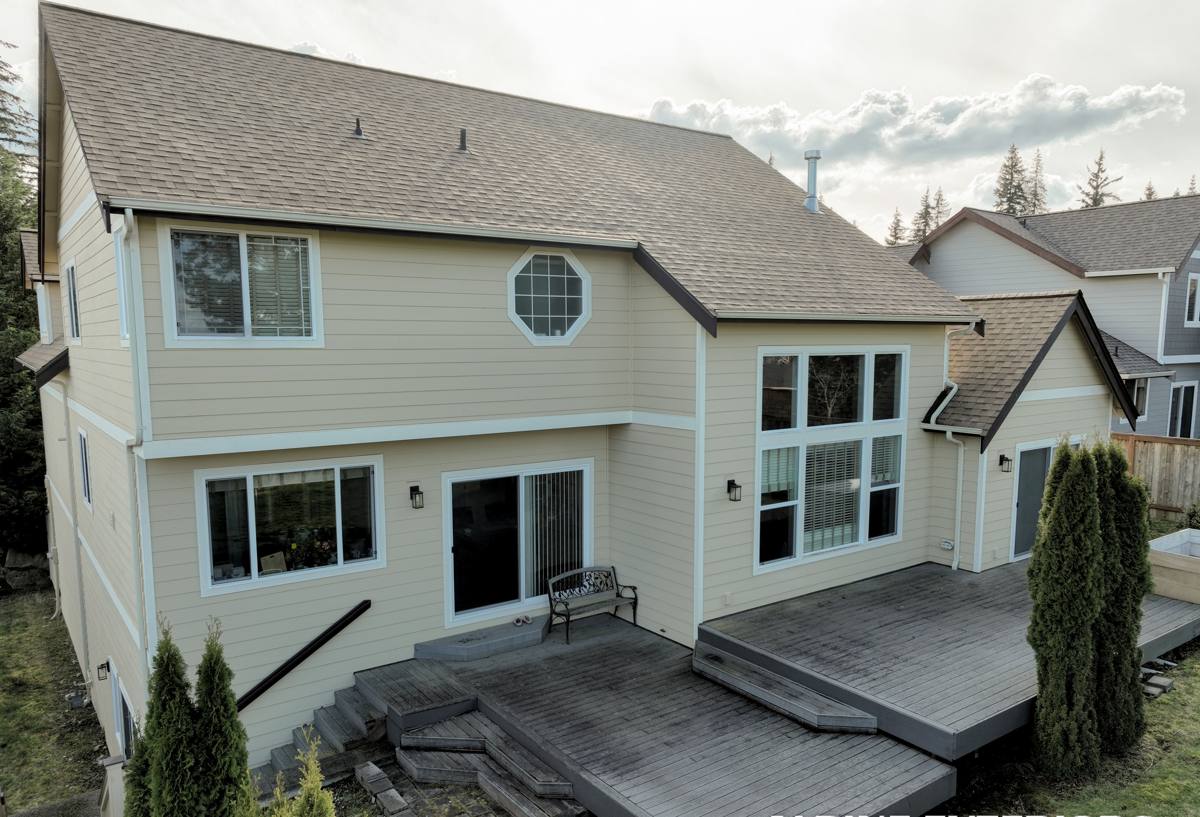
What Countryside Homes Typically Need From a Deck
Countryside is a mostly residential community with a mix of single-story ranch homes and two-story houses, many with pool cages, screened lanais, or covered patios already in place. That existing footprint matters a lot when we design a deck — we're rarely starting with a blank slate. We have to work around existing pool enclosures, tie into or clear existing patio slabs, and respect setback lines that are often tighter on these lots than on newer construction elsewhere in the county.
Homeowners in this area generally want one of a few things out of a deck project:
- A durable outdoor living space that extends the home without adding the humidity and bug problems of an unscreened patio
- A deck that connects cleanly to an existing pool area or lanai without looking bolted-on
- Something low-maintenance enough that it isn't a weekend chore every few months
- A structure that can genuinely take a direct hurricane season without needing repairs afterward
We design around those priorities rather than pushing a one-size-fits-all deck package. What works on a shaded, tree-covered lot with heavy leaf litter is different from what works on an open, full-sun lot that bakes all afternoon.
Working Around HOA and Neighborhood Standards
Many communities in and around Oldsmar have HOA guidelines that touch on fencing height, deck placement, and sometimes even color or material approval. We don't guess on this — if your property is under an HOA, we'll ask for the relevant guidelines up front and design to them, rather than finishing a deck and having you deal with a compliance letter afterward.
Choosing Materials That Make Sense Here
Material choice is where most long-term deck problems in this climate get decided, long before the first board is ever cut. We walk every homeowner through the real trade-offs — not just which product looks nicest in a showroom, but how it actually behaves after five Florida summers.
| Material | How It Handles Sun & Heat | How It Handles Moisture & Salt Air | Maintenance |
|---|---|---|---|
| Pressure-treated wood | Fades and can gray within a year or two without upkeep | Can cup, warp, or split if not sealed and re-sealed regularly | Highest — annual cleaning and sealing recommended |
| Tropical hardwoods | Very good natural UV and heat tolerance | Dense grain resists moisture well, but needs oiling to hold color | Moderate — periodic oiling to prevent graying |
| Capped composite | Strong fade resistance, stays cooler than some solid composites | Excellent — the cap resists moisture absorption and salt exposure | Low — occasional washing |
| PVC decking | Excellent UV stability, doesn't absorb heat into the core | Excellent — fully synthetic, no organic material to break down | Lowest — washing only |
We install all of these depending on the homeowner's budget and priorities, but we're honest about the trade-offs. Uncapped, lower-grade composite decking can be more prone to moisture wicking at cut ends and fastener holes than a capped composite or PVC product, which is why we pay close attention to how every board end is sealed and finished, not just which brand is on the label. Wood decks aren't a bad choice — they just come with a real maintenance commitment that we make sure homeowners understand before they sign off, since skipping a season of sealing in this climate shows up fast.
Structural Details That Matter More Here Than Elsewhere
Florida's building code, and Pinellas County's enforcement of it, exists largely because of storms — and a deck is only as good as what's underneath it and holding it to the house.
Ledger Attachment and Framing
The ledger board — where the deck ties into the house — is one of the most common failure points on older or poorly built decks. We use proper flashing and correct fastener spacing to keep water from getting trapped between the ledger and the house wall, which is exactly the kind of hidden rot that goes unnoticed until a board feels soft underfoot.
Footings and Post Bases
Footing depth and post-to-beam connections have to account for wind uplift, not just the downward weight of people standing on the deck. In a storm, wind can try to lift a deck structure as much as push it sideways, so we use rated hardware — hurricane ties, proper post bases, and through-bolted connections — rather than relying on nails or undersized screws.
Fasteners and Hardware
Salt air corrodes standard fasteners faster than most homeowners expect. We use stainless steel or coated fasteners rated for coastal exposure, because a deck that's structurally sound but held together with rusting hardware is still a deck on borrowed time.
Permitting and Wind Load in Pinellas County
Decks in this area typically require a building permit, and inspections check footing depth, structural connections, and railing height and spacing, among other things. We handle the permitting process as part of the job rather than leaving it to the homeowner, and we build to the wind load requirements that apply here — this isn't a region where you can build to a generic national deck plan and expect it to pass inspection or perform in a real storm.
Railings get particular attention. Beyond the code-required height and baluster spacing, we make sure post connections are solid enough to take a real lateral load — a railing that wiggles is often a sign the posts weren't properly through-bolted into the frame.
How We Build a Custom Deck, Start to Finish
- On-site consultation: We look at your yard, existing pool cage or lanai, drainage, sun exposure, and how you actually plan to use the space.
- Design and material selection: We go over layout options and material trade-offs honestly, including realistic maintenance expectations for each.
- Permitting: We submit the plans and handle the permit process with the county so you're not chasing paperwork.
- Site prep and footings: Layout, digging, and pouring footings to the correct depth for your soil and structure size.
- Framing: Ledger attachment with proper flashing, beams, joists, and hardware rated for wind uplift and coastal exposure.
- Decking and railing installation: Boards and railing systems installed with attention to fastener placement, expansion gaps, and drainage.
- Final walkthrough: We check the deck with you, cover care and maintenance specific to whatever material you chose, and make sure you know what to look for over time.
Protecting the Deck Once It's Built
Even the best-built deck needs some basic upkeep in this climate, though how much depends heavily on the material you chose. Sun exposure will fade any material over time, wind-driven rain will find gaps if boards aren't spaced and sealed correctly, and salt air will work on any exposed metal that isn't properly rated.
A simple seasonal maintenance routine goes a long way:
- Sweep and rinse the deck surface regularly to clear salt residue, pollen, and debris from between boards
- Check railing posts and stair connections periodically for any looseness
- Inspect fastener heads for early signs of corrosion, especially near the coast-facing side of the home
- Re-seal or re-oil wood decking on the schedule the product actually requires — don't stretch it
- Clear gutters and downspouts near the deck so runoff isn't pooling against the structure
- After any major storm, walk the deck and check for movement at the ledger board and post bases
What Drives the Cost of a Custom Deck
Every deck is priced around the specifics of the property, but a few factors consistently move the number up or down more than anything else.
| Cost Factor | Why It Matters |
|---|---|
| Size and shape | Multi-level decks, curves, or wraparounds around a pool cage take more material and labor than a simple rectangle |
| Material choice | Pressure-treated wood is the lowest upfront cost; capped composite and PVC cost more but require far less upkeep |
| Height and stairs | Elevated decks need more substantial footings, framing, and often additional railing and stair runs |
| Railing style | Basic baluster railings cost less than cable, glass, or custom-finished railing systems |
| Site access and prep | Tight side yards, existing landscaping, or removal of an old structure can add labor time |
| Permitting complexity | Larger or attached structures near a pool enclosure sometimes require additional engineering review |
Why It Matters to Hire a Crew That Already Works in This Area
Building a deck in a dry, inland climate and building one that has to survive a Pinellas County hurricane season are two different jobs, even if they look similar on paper. A crew that's used to working in and around Oldsmar knows what the local building department actually checks at inspection, understands how the salt air and humidity here shorten the life of the wrong materials, and has already made the mistakes elsewhere so they don't get repeated on your home.
We also know that a lot of Countryside properties are working around an existing pool cage, lanai, or patio slab rather than a blank backyard, and that changes how a deck needs to tie in structurally and visually. That's the kind of practical, site-specific knowledge that only comes from actually building decks in this area, not from a generic national playbook.
Get a Straightforward Estimate
If you're thinking about adding a custom deck to your Countryside home, we're happy to come take a look, walk you through material options honestly, and give you a clear, no-pressure estimate. There's no obligation — just a straight answer on what your project would actually involve and cost. Reach out using the form below to get started.