 Oldsmar Siding
 Siding Built for the Citrus Park Climate, Not Just the Citrus Park Look
Citrus Park sits close enough to Tampa Bay and the Gulf that its homes deal with a specific mix of stress that inland siding never sees: hurricane-force wind gusts, intense year-round UV that never really lets up, wind-driven rain that gets forced sideways into wall assemblies, and a steady dose of salt-laden air. Any one of those factors will wear down a mediocre siding product. Together, over years, they expose every shortcut a siding job might have taken. When we talk about James Hardie siding for this neighborhood, we're not talking about a generic exterior upgrade — we're talking about a specific product system installed a specific way to hold up against a specific climate.
This page focuses on one service, in one area: James Hardie fiber cement siding installation for homes in and around Citrus Park, near Oldsmar in Pinellas County. We're not going to give you a broad overview of siding options. We only install James Hardie, and we want to explain exactly what that means for a Citrus Park home, what correct installation actually looks like, and why local experience matters as much as the product itself.
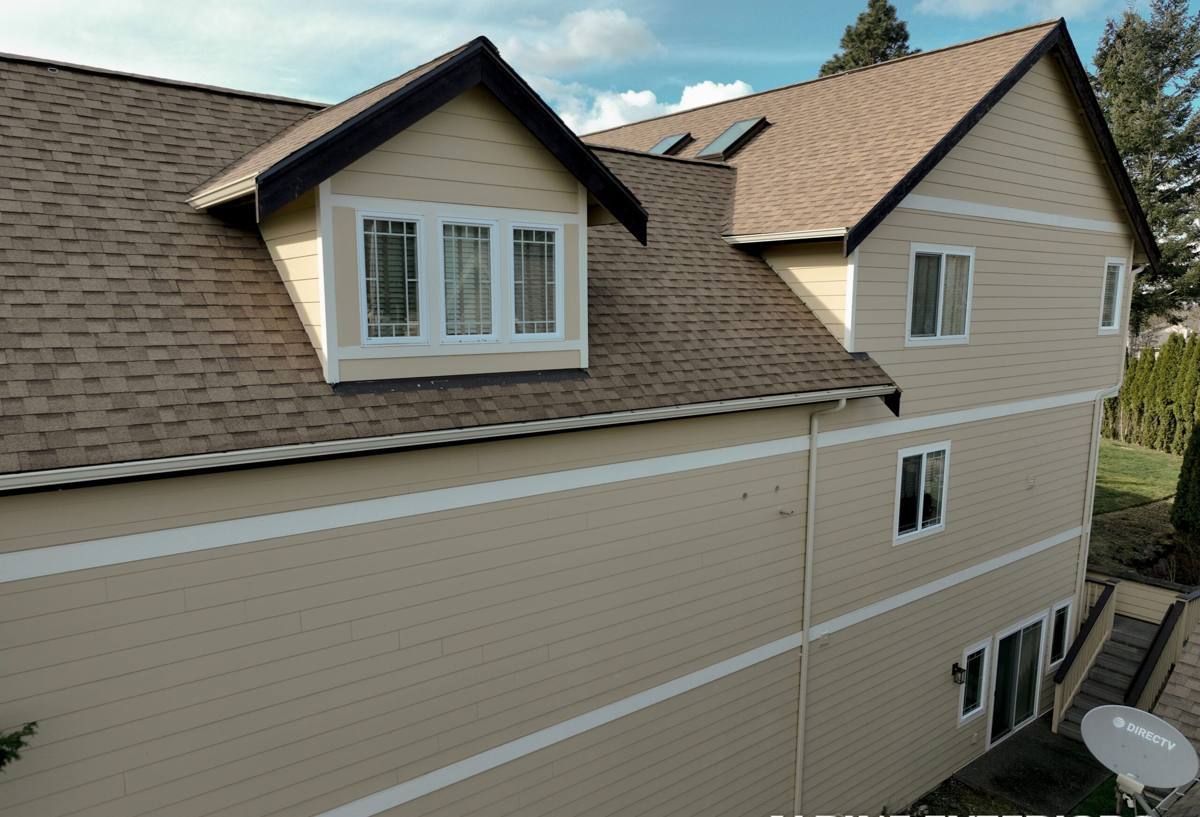
What Citrus Park Homes Are Actually Up Against
Wind and Storm Exposure
Pinellas County homes are built to a wind-resistance standard for a reason. Siding isn't just cosmetic here — it's part of the building envelope that has to stay attached and intact during tropical storms and hurricane-strength wind events. Loose or poorly fastened siding doesn't just look bad after a storm; it becomes a failure point that lets wind-driven water behind the wall assembly, where it can do real damage before anyone notices.
UV and Heat
Florida sun breaks down paint and cheaper composite materials faster than almost anywhere else in the country. Siding that isn't engineered for high-UV exposure will fade unevenly, chalk, or start showing hairline cracking well before its expected lifespan is up. A south- or west-facing wall in Citrus Park takes a beating that a similar wall in a milder climate simply doesn't.
Wind-Driven Rain and Humidity
Rain in this part of Florida rarely falls straight down during a storm — it comes in sideways. That means siding has to shed water at every seam, joint, and penetration, not just on the flat face of the wall. Combine that with high ambient humidity most of the year, and any moisture that does get behind the siding has ideal conditions to cause rot, mold, or substrate damage if it isn't installed with the right clearances and flashing details.
Salt Air
Citrus Park isn't right on the coast, but it's close enough that salt-laden air moving off Tampa Bay and the Gulf still reaches these neighborhoods, especially on windier days. Salt exposure accelerates corrosion on fasteners and trim, and it degrades lower-quality finishes faster than inland exposure would.
Why We Standardized on James Hardie
We made a decision as a company to install only James Hardie fiber cement siding, and we don't treat that as a sales pitch — it's a professional standard we hold ourselves to because of what this climate does to alternatives. Hardie's fiber cement composition is non-combustible, resists moisture-driven swelling and rot far better than wood-based or foam-backed composite products, and holds its factory-applied ColorPlus finish through UV exposure that would fade or chalk a field-painted product much sooner.
For a Citrus Park home specifically, the relevant details are:
- HZ5 engineered formulation: Hardie makes climate-specific product lines, and the HZ5 line is engineered for the wind, moisture, and freeze-thaw exposure profile of the Gulf Coast region — which includes Pinellas County.
- Factory-applied ColorPlus finish: baked-on color that resists UV fade far longer than field-applied paint, which matters enormously under Florida's sun load.
- Moisture behavior: fiber cement doesn't absorb and swell the way wood or some composites do, which matters when wind-driven rain is a near-annual event.
- Transferable warranty: a real factor for resale in a market where buyers increasingly ask what the exterior is made of and how it's warrantied.
None of that is unique to Citrus Park — but it's exactly the profile of protection this specific neighborhood needs, which is why we don't install anything else.
Choosing the Right Hardie Product Line and Profile
James Hardie isn't a single product — it's a system with several plank profiles, panel options, and trim products that get combined based on the home's architecture and exposure. For most Citrus Park homes, that decision comes down to a few practical questions: how much direct sun and wind exposure does each elevation get, what's the existing architectural style, and what's the homeowner's maintenance tolerance long-term.
| Hardie Product | Best Use Case | Local Consideration |
|---|---|---|
| HardiePlank Lap Siding | Most single-family homes, traditional look | Widely used across Pinellas County; pairs well with HZ5 formulation |
| HardieShingle | Accent gables, coastal-style architecture | Good for architectural detail without full-wall commitment |
| HardiePanel | Modern/vertical siding sections, garages | Requires precise joint treatment given wind-driven rain exposure |
| HardieTrim | Corner boards, fascia, window/door trim | Protects vulnerable transition points where water intrusion typically starts |
We walk through these options on-site rather than defaulting to one product, because the right choice depends on the specific elevations, roofline, and existing trim details of the home.
What a Correct James Hardie Installation Actually Involves
The single biggest factor in how well Hardie siding performs isn't the product — it's the installation. James Hardie's own installation instructions are detailed for a reason: skipping steps doesn't usually cause an obvious problem on day one, but it shows up as premature failure years later, often after the workmanship warranty window has closed.
Substrate and Weather Barrier Prep
Before any siding goes up, the wall needs a proper weather-resistive barrier, correctly lapped and sealed at every seam and penetration. On a home exposed to wind-driven rain, this layer is doing real work, not just checking a code box.
Fastening Specifications
Hardie has specific fastener requirements — type, length, and placement — that change based on wind zone and substrate. In a high-wind-exposure area, using the wrong fastener spacing or missing studs is the kind of shortcut that won't show up until a storm tests it.
Clearances and Flashing
Manufacturer specs call for minimum clearances between siding and roof lines, decks, and grade, plus proper flashing at every window, door, and penetration. These clearances exist specifically to keep wind-driven rain from wicking into the bottom edge of the siding or pooling where it can't dry out.
Joint and Caulk Details
Butt joints, corners, and trim transitions need to be treated correctly — some with flashing, some with sealant rated for exterior movement and UV exposure. Under-detailed here, and joints become the first place a Citrus Park home shows moisture staining or paint failure.
Correct Installation vs. Common Shortcuts
| Detail | Correct Practice | Shortcut That Causes Problems |
|---|---|---|
| Fastening | Manufacturer-spec nail type, spacing, into studs | Overdriven or underspaced fasteners, missed studs |
| Ground/Grade Clearance | Minimum clearance per Hardie spec maintained | Siding installed too close to grade or hardscape |
| Butt Joints | Flashed or sealed per spec, staggered pattern | Caulk-only joints with no flashing behind them |
| Weather Barrier | Continuous, properly lapped and sealed | Torn, gapped, or improperly overlapped house wrap |
| Trim Transitions | Back-flashed at windows, doors, and roof lines | Face-caulked only, no flashing behind trim |
None of these shortcuts are visible from the street when the job is finished. They become visible three, five, or ten years later — usually as staining, soft spots, or paint failure right at the point where the shortcut was taken.
How Our Process Works for a Citrus Park Home
We approach every Citrus Park project the same structured way, because consistency is what keeps a Hardie installation performing to spec:
- On-site assessment: we walk every elevation, checking sun exposure, wind exposure, existing trim condition, and any moisture or substrate issues under the current siding.
- Product and profile selection: we recommend the Hardie plank, panel, or shingle combination that fits the home's architecture and exposure, not a one-size answer.
- Substrate repair: any rotted sheathing, damaged trim, or compromised weather barrier gets addressed before new siding goes up — covering a bad substrate just hides the problem.
- Installation to manufacturer spec: fastening, clearances, flashing, and joint treatment follow Hardie's published requirements for this wind and moisture zone.
- Final detailing: trim, caulking, and touch-up work at every seam and transition point that will face wind-driven rain.
- Walkthrough: we go over the finished job with the homeowner before calling it complete.
Cost Factors for a Citrus Park Siding Project
Every home is different, and we don't quote exact numbers without seeing the property, but the factors that move the price on a Citrus Park Hardie project are consistent:
| Factor | Why It Matters |
|---|---|
| Home size and elevation count | More wall area and more corners/transitions means more material and labor |
| Substrate condition | Rot or moisture damage found during tear-off adds repair work before siding can go up |
| Product mix | Plank, panel, and shingle combinations price differently, especially with accent details |
| Trim and detail work | Homes with more window/door openings and rooflines need more flashing and trim labor |
| Access and site conditions | Tight lot lines, landscaping, or multi-story sections affect labor time |
Why a Locally Experienced Crew Matters
James Hardie siding is only as good as the installation, and installation quality depends heavily on whether the crew understands the conditions a given neighborhood actually deals with. A crew that already works in and around Oldsmar and Citrus Park has seen how these homes weather storms, where flashing tends to fail on similar rooflines, and what clearance and fastening details actually hold up here versus in a milder climate. That's different from a crew installing the same product without that regional context — the material doesn't change, but the judgment calls during installation do.
Working locally also means being available for warranty follow-up, storm-season questions, or a maintenance check without a homeowner having to track down an out-of-area contractor.
Homeowner Maintenance Checklist
James Hardie siding is low-maintenance, not no-maintenance. A simple annual routine keeps it performing as designed:
- Rinse siding with a garden hose (not a pressure washer aimed directly at seams) once or twice a year to remove salt residue and grime.
- Inspect caulking at trim, windows, and doors annually, especially after hurricane season, and reseal any cracked or shrinking joints.
- Walk the base of the home and clear mulch, soil, or landscaping that has crept up against the bottom edge of the siding.
- Look for any staining, soft spots, or discoloration near joints and flashing points after major storms.
- Trim back vegetation and irrigation spray that keeps a section of siding wet longer than the rest of the wall.
If you're in Citrus Park or elsewhere around Oldsmar and want a straight answer about what your home's siding actually needs, we're happy to take a look and walk the property with you. There's no cost and no pressure — just a real assessment and a clear explanation of what correct installation would involve for your home specifically. The form below gets you started.