 Oldsmar Siding
 Board & Batten in a Neighborhood Built on Older Florida Framing
Forest Lakes sits inland from the open water but still gets the full weather package Pinellas County is known for: long stretches of intense UV, sudden wind-driven downpours, and enough salt-laden air moving through the region to matter for anything on the outside of a house. Board and batten siding — the vertical-plank-and-strip look that gives a home real dimension and shadow line — has become a popular upgrade here, especially on ranch-style and split-level homes that could use a stronger street presence. Done right, it's one of the more distinctive siding profiles available. Done wrong, it's also one of the least forgiving profiles when the substrate is wrong or the fasteners are wrong, because every vertical seam is a place water can find its way behind the cladding.
This page is specifically about installing board and batten siding on Forest Lakes homes in Oldsmar — what the local climate demands from the material, what a correct installation actually involves, and why the crew doing the work matters as much as the product itself.
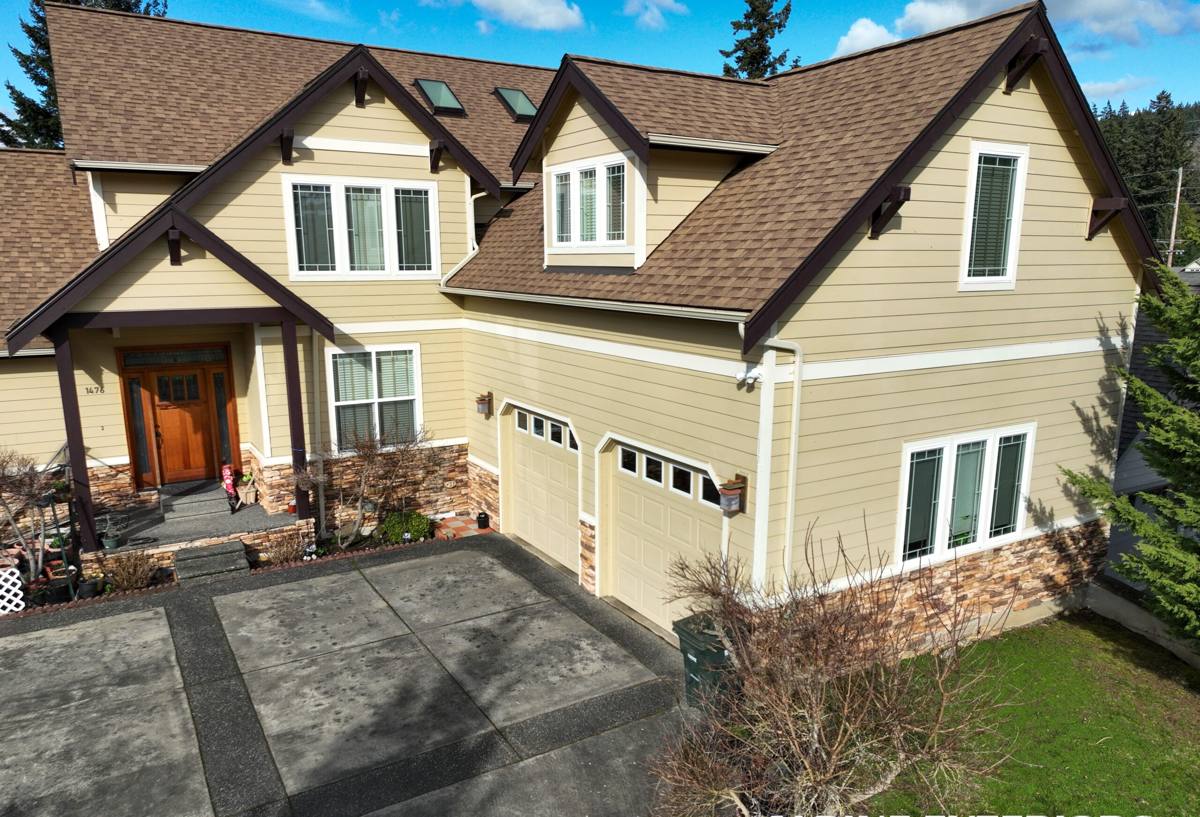
Why Board & Batten Needs to Be Taken Seriously in This Climate
The vertical board-and-batten pattern relies on battens (narrow strips) covering the seams between wider boards. That seam count is the whole design appeal — and the whole risk, if the wrong material or installation method is used. In Oldsmar's climate, three factors put real stress on those seams and on the material itself:
- Hurricane-force wind loading — vertical battens create more edges and more fastening points than a standard lap profile, so fastener spacing and type matter more, not less.
- Year-round UV exposure — a factory-cured, UV-stable finish holds color far longer than field-applied paint on wood or composite, especially on south- and west-facing walls that take direct sun most of the day.
- Wind-driven rain and salt air — moisture pushed sideways under wind pressure finds gaps at seams, corners, and penetrations before it ever pools on a flat surface. Salt air accelerates corrosion on any fastener or trim component that isn't rated for it.
None of this means board and batten is a bad choice for Forest Lakes. It means the material and the installation method have to be matched to what the neighborhood's weather actually does, not just to what looks good on a sample board.
Why We Only Install James Hardie for This Profile
We install James Hardie fiber cement exclusively — we don't offer board and batten in vinyl, LP SmartSide, primed spruce, or cedar. For a vertical-seam profile specifically, that standard matters more than usual. Fiber cement doesn't swell, cup, or rot at cut edges the way engineered wood or solid wood battens can when moisture gets into a seam. It's non-combustible, which matters on a profile with more trim and more exposed edges. And Hardie's ColorPlus finish is baked on and warrantied against fading, so the vertical board pattern that makes this style striking in year one still looks sharp after a decade of Gulf Coast sun rather than showing chalking or blotchy fade at the seams first.
What a Correct Board & Batten Installation Actually Involves
Board and batten is not a "nail it up faster" version of standard lap siding — if anything it takes more care, because there are more seams, more cut edges, and more places for a shortcut to become a callback. A correct installation on a Forest Lakes home includes:
Water Management Behind the Cladding
A weather-resistant barrier (WRB) goes over the sheathing first, with all seams and penetrations properly lapped and sealed. Board and batten depends on this layer more than most profiles, because the vertical boards themselves are not the primary water barrier — the WRB is. Skipping or shortcutting this step is the single most common cause of hidden moisture problems behind board and batten siding, regardless of what siding material sits on top of it.
Fastening for Wind Zones
Pinellas County's wind-load requirements set minimum fastener schedules for exterior cladding, and those minimums exist because they've been tested against real hurricane wind speeds. Board and batten needs fasteners placed correctly through both the boards and the battens, sized and spaced to the manufacturer's specifications for the local wind zone — not the contractor's usual habit from a calmer region.
Batten Placement and Gapping
Battens need consistent reveal spacing and a small expansion gap where the manufacturer calls for one, so the boards can move slightly with temperature and humidity swings without buckling the battens or cracking caulk lines. Tight, inconsistent batten spacing is one of the most common cosmetic mistakes on amateur board and batten jobs — and it's usually paired with the water-management mistakes underneath.
Trim, Corners, and Penetrations
Every outside corner, window and door surround, and utility penetration on a board and batten wall is a place where two materials meet — and that's where wind-driven rain gets tested. Corners and trim need to be flashed and sealed to shed water outward, not just caulked over as a cosmetic finish.
Board & Batten Options for Forest Lakes Homes
| Approach | How It's Achieved | Best Fit |
|---|---|---|
| Full board & batten | Vertical Hardie panel or plank system with battens over every seam, full elevation | Ranch and split-level homes wanting a strong, uniform vertical look |
| Accent board & batten | Vertical treatment on a gable, entry wall, or porch feature, paired with standard lap elsewhere | Homes wanting dimension without a full re-clad |
| Board & batten with mixed trim | Vertical field paired with wider corner boards or a water table detail | Homes matching a specific architectural style or HOA guideline |
All three approaches use the same underlying water-management and fastening principles — the difference is scope and where the vertical pattern is applied on the home.
Our Process for a Forest Lakes Board & Batten Job
- On-site assessment — we look at the existing substrate, current siding condition, wall orientation (sun and wind exposure), and any trouble spots like past water staining or soft sheathing.
- Design and layout — batten spacing, corner treatment, and trim details are laid out to fit the home's proportions, not just applied as a generic template.
- Substrate prep and WRB installation — any damaged sheathing is addressed before the water-resistant barrier goes on, correctly lapped and sealed.
- Hardie board and batten installation — fastened to manufacturer and local wind-zone specifications, with consistent reveal and gap spacing.
- Trim, flashing, and sealant — corners, penetrations, and transitions are flashed to shed water, then finished.
- Final walkthrough — we go over the finished elevations with the homeowner before calling the job done.
What to Check Before You Sign a Board & Batten Contract
- Does the quote specify fastener type and spacing, or just "installed per manufacturer instructions" with no detail?
- Is the weather-resistant barrier and its installation method spelled out, not just assumed?
- Is the batten reveal and gap spacing shown in a drawing or sample, not left to be decided on-site?
- Are corner and trim materials specified by brand and profile, not just "trim as needed"?
- Does the warranty cover both material and workmanship, and is it transferable if you sell the home?
Why Local Experience in Forest Lakes and Oldsmar Matters
A crew that regularly works Pinellas County knows the wind-load requirements that apply to exterior cladding here without having to look them up mid-job. They've seen how homes in and around Forest Lakes are framed and sided today, what substrate condition to expect on a home of a given age, and how sun exposure differs wall to wall on typical lot orientations in this part of Oldsmar. That familiarity shows up in fewer surprises during the job and a finished install that's built for the wind and rain events this area actually sees — not a generic installation transplanted from a different climate.
Maintenance After Installation
One of the practical advantages of James Hardie board and batten over wood-based alternatives is how little upkeep it needs once installed correctly. A periodic rinse to clear salt air residue and pollen, an annual look at caulk lines and trim joints, and prompt attention to any impact damage (from storm debris, lawn equipment, etc.) is generally all that's required. Because the ColorPlus finish is factory-applied, there's no repainting cycle to plan around the way there is with wood board and batten.
If you're weighing board and batten siding for a home in Forest Lakes, we're happy to walk the property, talk through layout options, and put together a straightforward, no-pressure estimate. Use the form below to get started.