 Oldsmar Siding
 Asphalt Shingle Roofing Built for Town 'N Country
Asphalt shingles remain the most common roof covering on homes throughout Town 'N Country, and for good reason: installed correctly, with the right materials and details, they hold up well against Florida's weather while staying affordable to repair and replace. But "installed correctly" is doing a lot of work in that sentence. A shingle roof that looks fine from the driveway can still be missing the underlayment, fastening, and flashing details that actually keep it watertight through a summer of hurricane-season storms.
This page covers what a shingle roof needs to hold up in this specific area, what a proper installation actually involves, and how our process works from first inspection to final walkthrough.
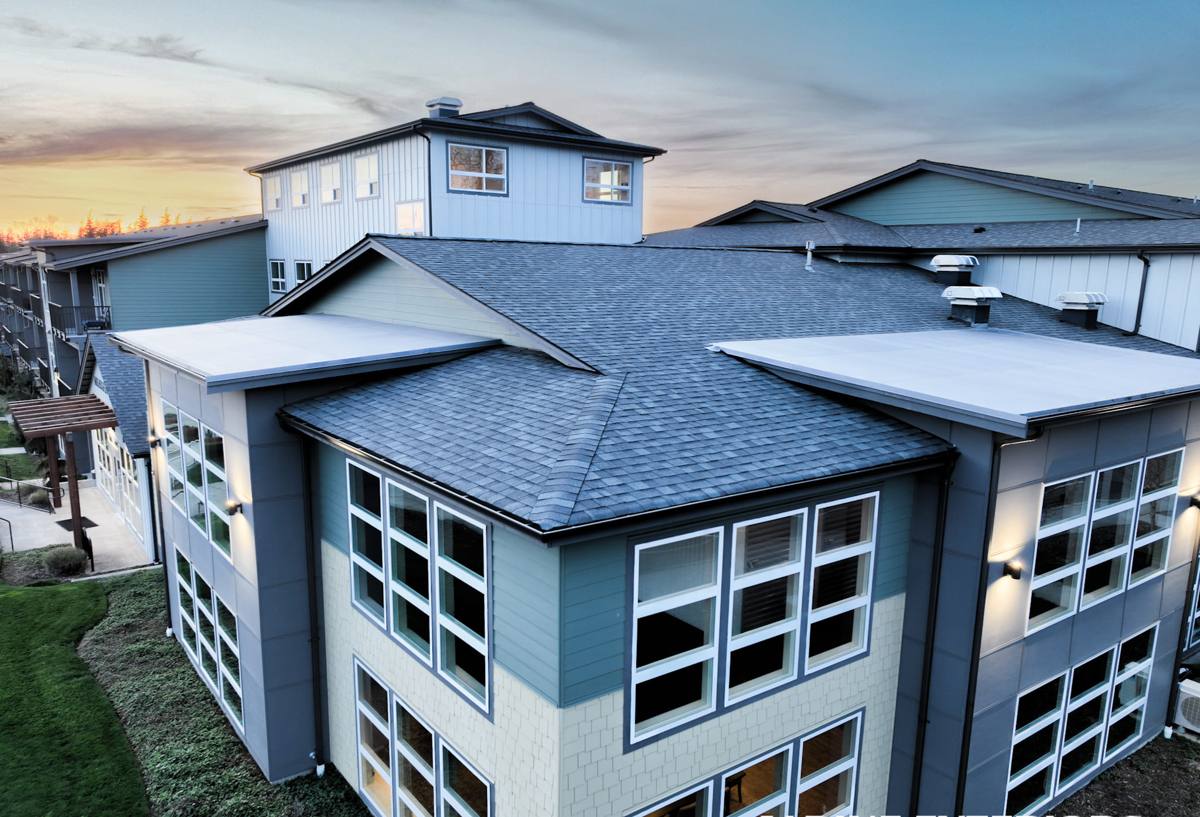
What This Climate Does to a Shingle Roof
Pinellas County roofs take a beating that inland Florida roofs don't see in quite the same combination. Four stressors matter most for asphalt shingles here:
Wind
Tropical storm and hurricane-force wind events are a normal part of the seasonal calendar here, not a rare emergency. Wind doesn't just push on a roof — it creates uplift at edges, hips, and ridges, which is exactly where a poorly fastened or under-sealed shingle roof fails first. Most storm damage we see isn't a roof torn off wholesale; it's a handful of shingles lost at a rake edge or ridge line, which then lets water into the deck underneath.
UV Exposure
Year-round sun bakes the asphalt in shingles, driving off the oils that keep them flexible and accelerating granule loss. Granules aren't cosmetic — they're the shingle's sunscreen. Once a shingle loses enough granule coverage, the asphalt mat underneath degrades faster, and the shingle becomes brittle and prone to cracking.
Wind-Driven Rain
A storm that comes in sideways finds every weak point in a roof's water-shedding details: pipe boots, valleys, sidewall flashing, and nail penetrations. Standard rainfall runs downhill and off; wind-driven rain gets pushed uphill and sideways under shingle tabs and around flashing that isn't sealed or lapped correctly.
Salt Air
Being close enough to the Gulf to catch salt-laden air matters even for homes that aren't waterfront. Salt air accelerates corrosion on exposed metal — nail heads, flashing, and vent stacks — long before it would in a drier inland climate. Corroded fasteners lose their grip on shingles well before the shingles themselves wear out.
What a Correct Shingle Installation Actually Involves
A shingle roof is a system, not a single product layer. Skipping or shortcutting any one of these steps is where most premature failures start.
Deck Inspection and Repair
Before anything goes down, the roof deck itself needs to be sound — no soft spots, delamination, or rot. Shingles fastened to a compromised deck won't hold, no matter how good the shingle is.
Underlayment
This is the roof's real waterproofing layer, and it matters more in this climate than almost anywhere else in the country. We use synthetic or self-adhered underlayment products suited to wind-driven rain exposure rather than relying on shingles alone to keep water out.
Drip Edge and Starter Strip
Metal drip edge at eaves and rakes, paired with a proper starter strip, gives wind uplift resistance exactly where it's needed most — the edges. This is one of the most commonly skipped details on lower-quality installs, and it's usually the first place storm damage shows up.
Nailing Pattern
Manufacturer nailing patterns exist for a reason, and in high-wind areas, following them exactly (correct nail count, placement, and fastener type) is what separates a roof that holds its wind rating from one that doesn't. We don't shortcut nail counts to save time.
Flashing and Penetrations
Valleys, pipe boots, sidewalls, and any roof-to-wall transition need flashing that's properly lapped with the underlayment and shingles — not just caulked over. Caulk is a maintenance item, not a substitute for correct flashing.
Ventilation
Proper attic ventilation keeps shingles cooler and extends their service life, while also protecting the deck from moisture buildup underneath. It's easy to overlook because it doesn't show from the ground, but it affects how long the whole roof lasts.
Choosing the Right Shingle for Town 'N Country
Not every asphalt shingle is built the same, and the right choice depends on your budget, your roof's exposure, and how much wind and impact resistance you want built in from day one.
| Shingle Type | Wind Resistance | Typical Lifespan | Cost Tier | Best For |
|---|---|---|---|---|
| 3-Tab | Lower — lighter, single-layer construction | Shorter end of the range | Lowest | Budget-conscious replacements, secondary structures |
| Architectural / Laminate | Higher — heavier, multi-layer construction | Mid-to-long range | Mid | Most primary residences in this area |
| Impact-Rated (Class 4) | Highest, plus improved resistance to hail and debris impact | Long range | Highest upfront, often offset by insurance savings | Homeowners prioritizing storm resilience and long-term insurance costs |
Architectural shingles are the most common choice we install in this area — they carry better wind ratings than 3-tab shingles at a manageable cost difference. Impact-rated shingles cost more upfront but can lower insurance premiums enough over time to close much of that gap, which is worth running the numbers on before you decide.
Our Process
- Inspection: We walk the roof (or use ladder/drone inspection where access is limited) and check the deck, flashing, ventilation, and current shingle condition — not just a glance from the ground.
- Written Estimate: You get a clear, itemized estimate covering materials, labor, and any deck repair needed, with no vague allowances.
- Material Selection: We walk through shingle options and wind/impact ratings so you're choosing based on what fits your home and budget, not just what's cheapest to install.
- Install Day: Deck repair first, then underlayment, drip edge, starter strip, field shingles, flashing, and ridge — in that order, done to manufacturer specification.
- Cleanup and Magnetic Sweep: Full site cleanup, including a magnetic sweep for stray nails in the yard and driveway.
- Final Walkthrough: We review the finished roof with you before calling the job done, and go over warranty paperwork.
Why a Crew That Already Works in Town 'N Country Matters
Roofing here isn't identical to roofing in a drier, calmer climate, and it isn't identical to roofing thirty miles inland either. A crew that regularly works Pinellas County jobs already knows the wind speed and product approval requirements in the Florida Building Code that apply locally, understands what local permitting offices expect on inspections, and has already seen how the area's mix of home ages and roof pitches tends to fail when it fails. That familiarity shows up in fewer surprises mid-job and fewer callbacks after the first hard storm.
It also matters for insurance. Many Florida insurers now require a four-point inspection on older roofs, and some offer premium credits for wind mitigation features and impact-rated materials. A contractor who's dealt with these requirements regularly can help you understand what your insurer will actually ask for, rather than guessing.
Signs Your Shingle Roof Needs Attention
Between full inspections, keep an eye out for these warning signs — catching them early usually means a repair instead of a replacement:
- Granules collecting in gutters or at the base of downspouts
- Shingles that are curling, cupping, or lifting at the edges
- Missing or torn shingles after a storm, even just a few
- Dark streaking or staining across sections of the roof
- Soft or spongy spots when walked on
- Exposed or backed-out nail heads
- Cracked or deteriorated pipe boots and flashing sealant
- Daylight visible through the attic decking
Any one of these on its own may not be urgent, but a combination is usually a sign the roof needs a closer look sooner rather than later.
Maintenance That Actually Extends Roof Life
Asphalt shingle roofs in this climate benefit from a bit of regular attention rather than a "wait until it leaks" approach. Keeping gutters clear so water doesn't back up under the eaves, trimming overhanging branches that drop debris and hold moisture against the shingles, and having the roof looked at after any major wind event are the three habits that do the most to head off bigger repairs down the road.
Get a Free, No-Pressure Estimate
If your roof is showing its age, took a hit in a recent storm, or you're simply planning ahead, we're happy to take a look and walk you through what we find — no pressure, no hard sell. Fill out the form below to schedule a free estimate for your Town 'N Country home.