 Oldsmar Siding
 Why Largo Roofs Wear Differently Than Roofs Inland
Largo sits close enough to Tampa Bay and the Gulf that its roofs take a different kind of beating than a roof forty miles inland. It's not one thing — it's four things stacked on top of each other, year after year: intense UV exposure almost every day of the year, wind-driven rain that gets pushed sideways under poorly sealed edges, salt-laden air that accelerates corrosion on every metal component, and the real chance of hurricane-force wind gusts during storm season. A shingle roof that's correctly built for this combination will hold up for decades. One that was installed to a generic spec — the kind of install that would be fine in a drier, calmer climate — tends to show problems early: curling shingles, granule loss, lifted tabs, and leaks that show up first around penetrations and edges.
UV and Heat Load
Florida sun bakes asphalt shingles from above while attic heat bakes them from below. Over time that heat cycle dries out the asphalt, causing granules to loosen and shingles to become brittle. Brittle shingles crack instead of flexing in wind, which is exactly the wrong failure mode in a county that sees tropical storm activity most years.
Wind-Driven Rain
A shingle roof doesn't have to lose shingles to leak. Wind-driven rain gets forced sideways and upward under tabs, at ridge lines, and around any flashing that wasn't sealed with storm conditions in mind. Most of the leak calls we see on Largo homes trace back to flashing detail or underlayment gaps, not to shingles blowing off outright.
Salt Air Corrosion
Even a few miles from the water, salt air corrodes exposed fasteners, drip edge, and flashing faster than it would inland. Cheap galvanized fasteners that would last two decades in Ohio can start rusting and losing holding power in well under half that time on the Gulf Coast.
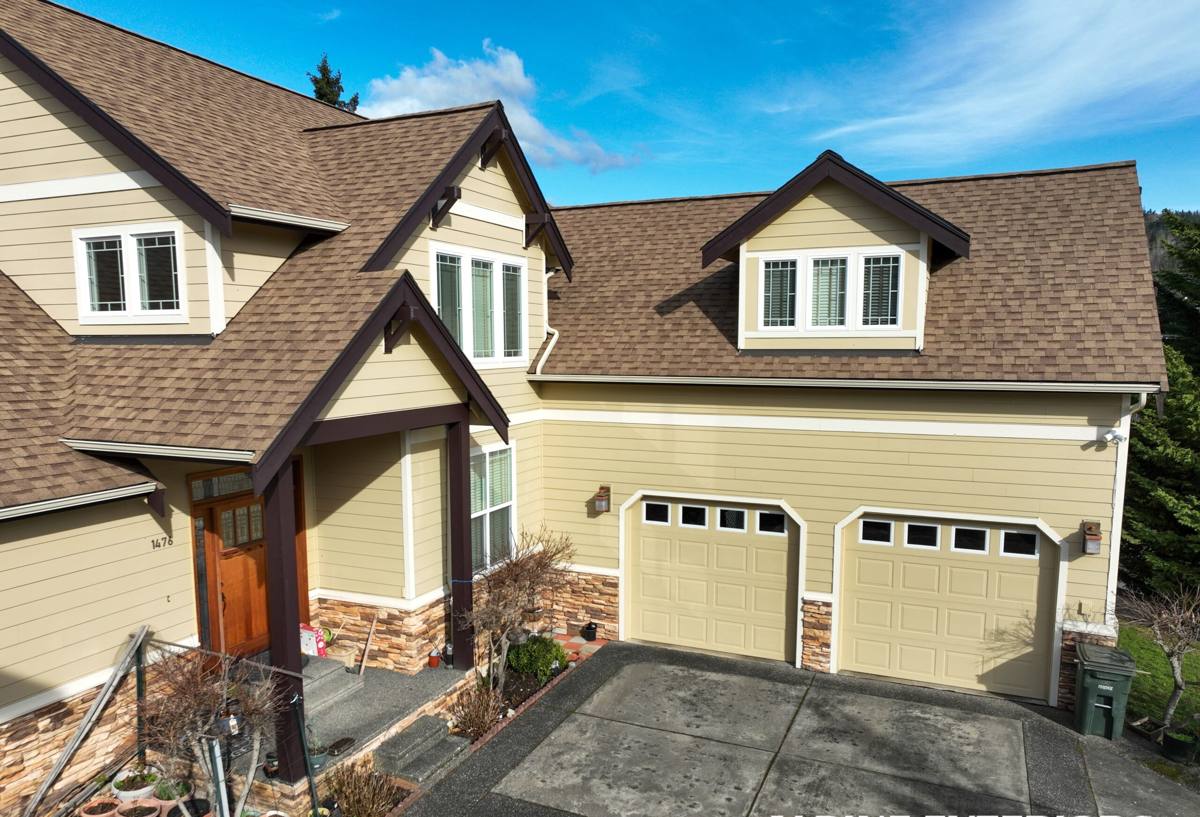
What a Correct Asphalt Shingle Roof Actually Involves
"Asphalt shingle roof" covers a wide range of quality, and the difference is almost never visible from the ground. It's in the layers you don't see.
- Deck inspection and repair: Any soft, delaminated, or water-damaged decking gets replaced before a single shingle goes down — covering bad decking with new shingles just hides the problem.
- Underlayment: A synthetic underlayment (or peel-and-stick in high-exposure areas) provides the actual water barrier if wind ever lifts a shingle. This layer matters more in Pinellas County than in drier climates.
- Drip edge and flashing: Corrosion-resistant metal at every edge, valley, and penetration — chimneys, vents, skylights — sealed correctly, not just caulked over.
- Nailing pattern: Correct nail count and placement per shingle, matched to Florida's wind-zone requirements. This is one of the most common shortcuts on underpriced roofing jobs, and it's the one that shows up during the next big blow.
- Ventilation: Balanced intake and exhaust airflow keeps attic temperatures and moisture in check, which extends shingle life and helps control energy costs.
Choosing the Right Shingle for a Largo Home
Not every asphalt shingle product is rated the same way, and the differences matter more here than in most parts of the country. The table below is a general guide — your roofer should walk through actual product options and wind ratings with you before you decide.
| Shingle Type | Typical Wind Rating | Typical Lifespan | Best Fit |
|---|---|---|---|
| 3-tab | Lower end of code minimums | 15–20 years | Budget-conscious projects, rentals, non-coastal-facing roofs |
| Architectural (laminated) | Mid-to-high, product dependent | 25–30 years | Most Largo homes — better wind performance and appearance |
| Impact-rated / high-wind architectural | Highest available in asphalt category | 25–30+ years | Homes seeking insurance credits and maximum storm resistance |
Higher wind-rated shingles usually cost more up front but can qualify a home for wind-mitigation insurance credits in Pinellas County — often enough over a few years to offset the price difference. We'll show you the actual numbers for your home rather than a generic estimate.
Our Process for a Largo Roof Replacement
1. Inspection and Honest Assessment
We start on the roof and in the attic, not just with a drive-by look. We check decking condition, existing ventilation, flashing condition, and whether repair is realistic or replacement is the honest recommendation.
2. Written Scope Before Work Starts
You get a clear scope covering shingle product, underlayment type, flashing plan, and ventilation changes — no vague "roof replacement" line item. If your project needs a permit, we handle that as part of the process.
3. Tear-Off and Deck Repair
Full tear-off to the deck, replacement of any damaged sheathing, and a clean surface before underlayment goes down. Layering new shingles over old is a shortcut we don't take — it hides deck problems and voids most manufacturer warranties.
4. Installation to Florida Wind-Zone Spec
Correct nailing pattern, sealed flashing at every penetration, and drip edge and starter courses installed to actually resist wind-driven rain — not just look finished from the street.
5. Cleanup and Final Walkthrough
Magnetic sweep for stray fasteners, full site cleanup, and a walkthrough so you know exactly what was done and what to watch for going forward.
Repair or Replace? Signs to Watch For
Not every roof issue means a full replacement. A quick self-check can help you know what to expect before a contractor even shows up:
- Shingles that are curling, cupping, or losing significant granules (check gutters for granule buildup)
- Cracked or missing shingles, especially after a storm
- Soft spots or sagging when walking the roof or viewing from a ladder
- Daylight visible through the roof deck from inside the attic
- Water stains on ceilings or in the attic, particularly near chimneys, vents, or valleys
- A roof approaching or past 20–25 years old with no major work done
- Rusted or lifted flashing around penetrations
If you're only seeing one or two of these and the roof is under 15 years old, a targeted repair is often the right call. Multiple items on this list, or a roof already near the end of its expected life, usually points toward replacement being the more cost-effective option long term.
Why a Crew That Already Works Largo Makes a Difference
Roofing work in Pinellas County isn't the same as roofing work in a place without hurricane exposure. A contractor who regularly works Largo and the surrounding Oldsmar area already knows the local wind-zone requirements, has an established relationship with the permitting process, and understands which HOA and code details tend to come up in this specific area. That familiarity shows up as fewer surprises mid-project — not a change order two weeks in because nobody checked the wind rating requirement up front.
It also matters after the job is done. Local crews are the ones who actually come back for warranty work or storm-damage follow-up, rather than a company that did one job in the area and moved on.
Maintaining an Asphalt Shingle Roof on the Gulf Coast
A well-installed shingle roof still needs basic upkeep to hit its full lifespan in this climate:
- Keep gutters and valleys clear so water doesn't pool or back up under shingles
- Trim overhanging branches that scrape shingles and drop debris
- Have the roof visually checked after any significant storm, even if nothing looks obviously wrong
- Address small leaks or lifted shingles quickly — wind-driven rain finds small gaps fast
- Check attic ventilation periodically, since blocked vents shorten shingle life from underneath
What Affects the Cost of a Largo Roofing Project
Every roof is priced on its own specifics, but the main cost drivers are consistent:
| Factor | Why It Matters |
|---|---|
| Roof size and pitch | More square footage and steeper pitches mean more material and labor time |
| Deck condition | Rotted or delaminated decking found during tear-off adds material and labor |
| Shingle tier | 3-tab, architectural, and impact-rated products carry different material costs |
| Number of penetrations | Chimneys, skylights, and multiple vent stacks each need individual flashing |
| Layers to remove | A single-layer tear-off costs less than removing multiple existing layers |
| Ventilation upgrades | Adding or correcting ridge/soffit ventilation is often worth the added cost |
We give exact numbers after seeing the actual roof — broad estimates without an inspection tend to be wrong in one direction or the other, and we'd rather give you a number you can count on.
If your Largo home needs a roof inspection, a repair, or a full replacement built for what this coastline actually throws at it, we're happy to take a look and put together a straightforward, no-pressure estimate. Use the form below to get started.