 Oldsmar Siding
 Westchase sits on the west side of the Tampa Bay area, a planned community close to the Hillsborough-Pinellas line and just a few miles from Oldsmar. It's a newer part of the region as Florida neighborhoods go, mostly built out from the 1990s into the 2000s, which means a lot of the original windows that went in with the first wave of construction are now old enough to be failing on their own timeline, separate from any storm damage. Add in the wind, sun, rain, and salt air that every home in this part of Pinellas and Hillsborough County deals with, and window replacement here isn't just a cosmetic upgrade — it's maintenance that's overdue on a lot of these houses.
Why Westchase Homes Need a Regionally-Correct Window Job
Two things shape window work in Westchase more than in a lot of other Tampa Bay neighborhoods. First is the age and consistency of the housing stock: entire sections of the community went up within a fairly tight construction window, so if one house on a street has original aluminum-frame single-pane windows or first-generation dual-pane units with failing seals, the houses around it very likely do too. Second is exposure — Westchase is far enough inland that it isn't taking direct wave action the way a barrier-island home does, but it still sits inside the wind-borne debris region under the Florida Building Code, which means impact resistance and proper anchoring aren't optional extras here, they're what code requires for most replacement work.
That combination means a lot of Westchase homeowners are replacing windows that were never bad decisions when they were installed — they've simply reached the end of what glazing, seals, and weatherstripping can be expected to do after two or three decades of Florida weather.
What the Regional Climate Actually Does to Windows Here
Every home in this part of the state deals with the same basic set of stresses, and Westchase is no exception. Hurricane-force wind events put real pressure on glass and frames, and on an under-rated or aging window, that pressure finds the weak point — usually a seal, a corner joint, or an anchor that was never rated for current wind speeds. Year-round, intense UV breaks down vinyl, weatherstripping, and sealants steadily over time, which is why a window that looked fine five years ago can show yellowing, brittle gaskets, or a stiff sash today. Wind-driven rain during storms and even routine summer downpours tests flashing and sealant details that a lot of older installations never had to begin with. And while Westchase sits back from the immediate coastline, salt-laden air off Tampa Bay and the Gulf still moves inland on prevailing winds, so hardware, screens, and fasteners corrode faster here than in a non-coastal climate — just not as fast as they would a few miles closer to open water.
None of these forces act alone. A window that's already lost seal integrity from UV exposure is far more vulnerable to wind-driven rain intrusion during the next storm, and corroded hardware makes it harder for a window to seal and lock properly in the first place. That's why an aging window in Westchase tends to fail on multiple fronts around the same time rather than one problem at a time.
Where Problems Actually Start
On most of the failing windows we see in this community, the glass itself is rarely the first thing to go. It's the insulated glass unit seal that lets moisture between the panes, showing up as permanent fogging that no amount of cleaning fixes. It's the weatherstripping around an operable sash that's gone stiff and stopped compressing. It's the corner joints on an aluminum frame that have flexed enough times under wind load to open a gap. Those failures build slowly, and by the time they're obvious from inside the house, the opening behind the window has usually been dealing with some level of intrusion for a while already.
Window Situations We See in Westchase
- Original builder-grade windows from the community's early construction years — aluminum-frame single-pane or first-generation dual-pane units nearing or past their realistic service life
- Foggy or fogged insulated glass units — a failed seal between panes that shows up as permanent haze or moisture and can't be fixed without replacing the unit
- Lanai and pool-cage window combinations — openings that see constant humidity cycling and need careful sealing where the window meets the enclosure
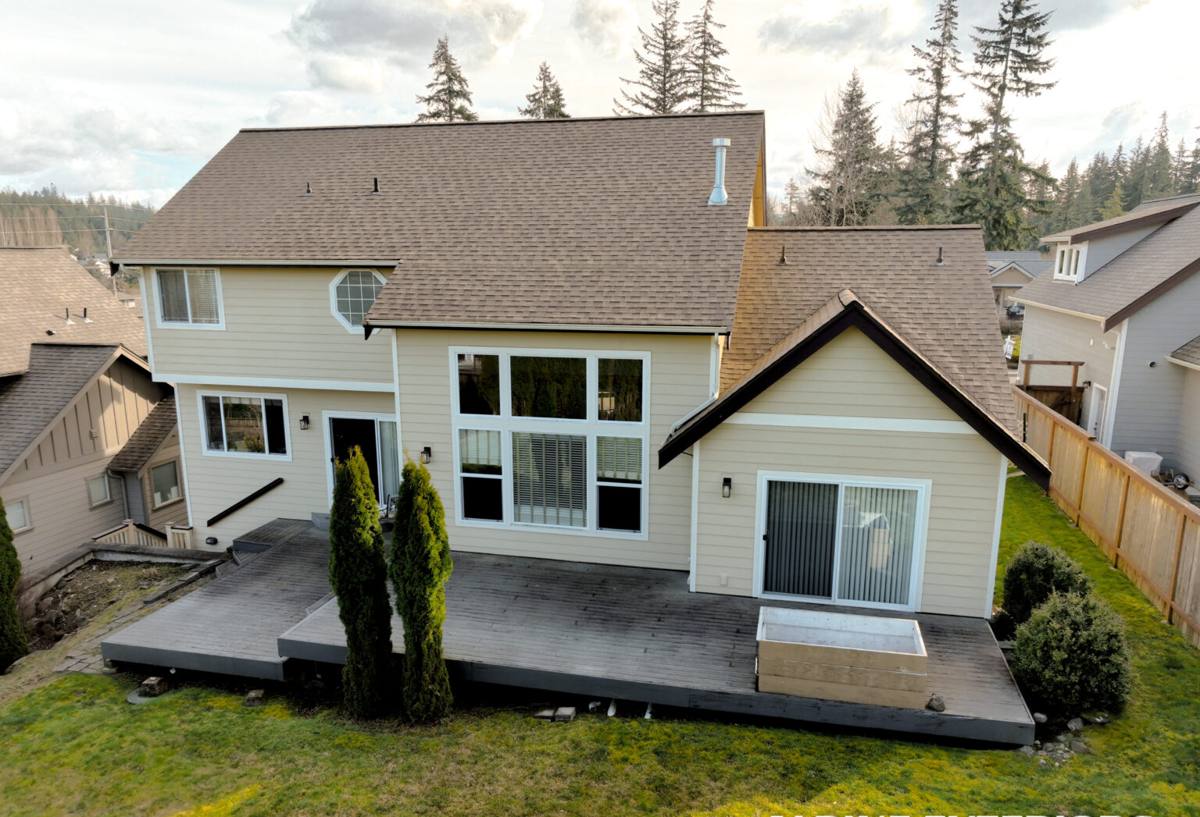
- Large picture and great-room windows — bigger glass areas common in Westchase's move-up and executive floor plans, which concentrate more wind load at the perimeter
- Impact-rated upgrades for wind mitigation credit — replacing older non-rated windows to meet current code and potentially improve a home's wind mitigation inspection results
- French door and window combination units — common on rear elevations facing a pool or golf course view, where matching sightlines and swing clearance both matter
What a Correct Installation Job Involves
Assessment and Measurement
Every job starts with a field measurement of the actual opening rather than an assumption based on the home's age or floor plan, plus a look at that specific wall's exposure. A rear elevation facing open water or a golf course can see different wind and rain dynamics than a sheltered courtyard wall on the same house, and that affects both the rating we recommend and how we detail the installation.
Removal and Opening Prep
Taking out a window that's been in place since the original construction almost always reveals something about the opening — old caulk that's failed, sill substrate that's taken on moisture, or flashing that was never installed correctly the first time. We address what we find before the new unit goes in rather than sealing a new window over an old problem.
Flashing and Weatherproofing
This is the step that decides whether a window stays dry through the next decade of Tampa Bay storms or starts leaking within a couple of years. Flashing has to be sequenced correctly — sill pan first, then jambs, then head, each lapped over the one before it — so wind-driven rain has nowhere to get behind the frame. It's not a step we treat as optional or interchangeable with a bead of caulk.
Wind Rating, Anchoring, and Finish
The replacement unit has to be anchored to meet current wind load requirements for that wall's exposure, not just installed the way the old one was thirty years ago. We also spec corrosion-resistant hardware and fasteners as standard, since salt-laden air reaches Westchase even at this distance from open water, and finish trim and sealant joints to hold up under sustained UV rather than just look right on install day.
Quick Checklist Before You Hire
- Confirm the installer field-measures your actual openings rather than quoting from standard sizes
- Ask what wind rating the replacement units need to meet for your home's specific elevation and exposure
- Get the flashing and weatherproofing sequence explained, not just described as "sealed properly"
- Ask whether hardware and fasteners are corrosion-resistant, given the salt content in this region's air
- Find out if the old opening will be checked for hidden rot or moisture damage before the new unit goes in
- Get separate warranty terms in writing for the window unit itself and for the installation labor
Our Process, Start to Finish
- On-site assessment — we measure every opening, evaluate wind exposure wall by wall, and check for visible signs of moisture or substrate damage
- Honest recommendation — which units meet code and wind rating requirements for your home, explained in plain terms, with no upsell to features you don't need
- Ordering and lead time — a realistic timeline communicated up front, since impact-rated units are typically built to order
- Removal and opening prep — old units come out carefully, and any hidden framing or flashing issues get addressed before the new window is set
- Installation and anchoring — new units are set plumb and level and anchored to meet wind load requirements for their size and location
- Flashing, sealant, and trim — weatherproofing detailed to the specific opening, then finished to match the home's existing exterior
Costs and Trade-Offs to Understand
| Factor | What Changes the Price |
|---|---|
| Frame material | Vinyl generally costs less upfront than fiberglass or aluminum-clad wood, with fiberglass holding dimensional stability better under sustained heat |
| Impact rating required | Higher wind-load ratings for more exposed elevations typically cost more than a standard code-minimum unit |
| Opening condition | Rot, prior flashing failures, or out-of-square framing found during removal add repair work before installation |
| Glass package | Low-E coatings and laminated impact glass improve energy performance and UV protection but add cost per unit |
| Number of units | Replacing all the windows on a home at once typically has better per-unit economics than piecemeal replacement over several years |
Vinyl and fiberglass frames are the common choices for this climate because they resist corrosion and hold up to sustained UV without the ongoing maintenance an aluminum or wood exterior needs. That's not a knock on other materials — it's a maintenance and longevity trade-off worth understanding before committing to a frame type for a home that's going to sit in Florida sun and salt air for the next twenty-plus years.
Why Hiring a Crew That Works Westchase Regularly Matters
A window's technical rating on paper doesn't guarantee a dry, tight installation. That comes down to details a spec sheet doesn't cover — how much overlap a flashing lap actually needs given this region's rain patterns, which anchoring pattern holds up to real Tampa Bay wind events rather than just the code minimum, when a sealant joint needs extra attention because of years of UV and humidity cycling. A crew that installs windows across Westchase and the surrounding Oldsmar area regularly has already seen how these specific floor plans, wall types, and exposures perform over time, and that experience shows up in the calls made on-site rather than the ones printed on a product label.
It also means showing up already familiar with the kind of construction common in this community — knowing what to expect when an original builder-grade window comes out, rather than treating every removal as a surprise.
Ready When You Are
If your Westchase home still has its original windows, you're dealing with foggy glass or drafts, or you're planning a renovation that includes new openings, it's worth having someone assess the actual windows and walls before you start pricing units. We offer free, no-pressure estimates for window installation in Westchase and the surrounding Oldsmar area — use the form below to get a time on the schedule.